President Tinubu Convenes High-Level Emergency Security Meeting Amid Borno Airstrike Fallout
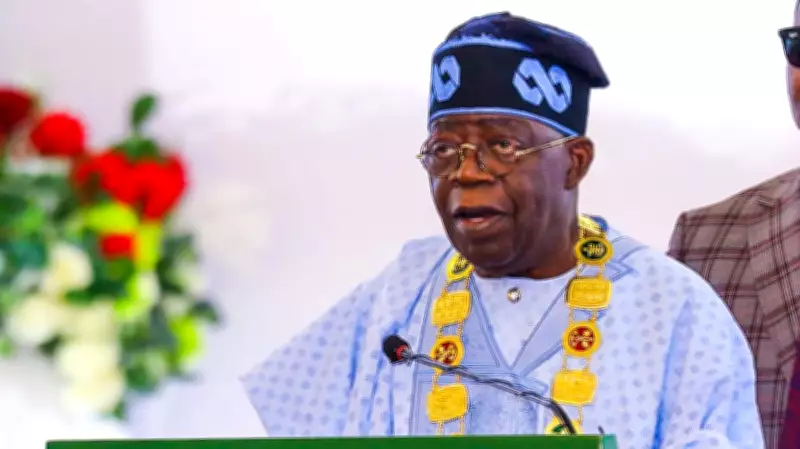
President Bola Ahmed Tinubu has called an urgent and critical security meeting with Nigeria's top military and intelligence officials at the State House in Abuja. This closed-door session was convened in response to mounting national and international concerns over the country's deteriorating security environment, particularly following a controversial airstrike in Borno State that has sparked widespread alarm.
Key Attendees and Security Concerns
The emergency gathering brought together the nation's foremost security leaders, including the Chief of Defence Staff, General Olufemi Oluyede; the Chief of Army Staff, Lt. Gen. Waidi Shaibu; the Chief of Naval Staff, Vice Admiral Idi Abbas; and the Chief of Air Staff, Air Marshal Sunday Aneke. Also present were the Director-General of the Department of State Services (DSS), Oluwatosin Ajayi; the Director-General of the National Intelligence Agency (NIA), Ambassador Mohammed Mohammed; the Inspector-General of Police, Tunji Disu; and the National Security Adviser, Nuhu Ribadu, alongside other senior security officials.
This high-level meeting occurs at a time of heightened anxiety over Nigeria's security trajectory. The urgency was amplified by a recent travel advisory from the United States Department of State, issued on April 8, which authorized the voluntary departure of non-emergency personnel and their families from the U.S. embassy in Abuja. The advisory cited a "deteriorating security situation" and placed 23 of Nigeria's 36 states under a Level 4: "Do Not Travel" classification—the highest risk category. Newly listed states include Plateau, Jigawa, Kwara, Niger, and Taraba.
Government Response and Borno Airstrike Controversy
In response to the U.S. advisory, the Federal Government dismissed it as a routine precaution based on internal U.S. protocols. Minister of Information and National Orientation, Mohammed Idris, asserted that while isolated security incidents persist, "there is no general breakdown of law and order, and the vast majority of the country remains stable." However, the emergency meeting also addresses the fallout from a controversial Nigerian Air Force airstrike in Borno State.
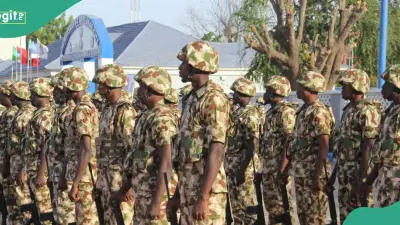
The airstrike, carried out on Saturday at Jilli Market along the Borno–Yobe border, was reportedly aimed at suspected Boko Haram targets. Local sources have claimed that more than 100 civilians may have been killed in the incident, raising serious concerns about civilian casualties. While the Nigerian Air Force confirmed conducting "precision mop-up airstrikes on identified terrorist locations" in the Jilli axis, it has not acknowledged civilian casualties or confirmed that a market was hit.
The Presidency defended the operation, with Senior Special Assistant to the President on Media and Publicity, Tope Ajayi, stating that the location had been compromised by insurgents. He described the market as having evolved into "a legitimate military target" after being used as a logistics and trading hub by Boko Haram and Islamic State West Africa Province fighters.
Broader Security Challenges and Strategic Implications
These developments underscore the complex and multi-layered nature of Nigeria's security challenges. Across the country, the government continues to confront:
- Insurgency in the North-East
- Banditry and kidnapping in the North-West and North-Central
- Separatist tensions in the South-East, including in oil-producing regions
Each of these threats places sustained pressure on the nation's security architecture, highlighting the need for coordinated and effective responses. The latest meeting at the State House signals a growing urgency within the administration to reassess strategy, strengthen coordination among security agencies, and address both operational challenges and rising public concern.
While details of the deliberations remain undisclosed, the convergence of rising attacks, international concern, and controversy over military operations marks a critical moment for Nigeria's security framework. For President Tinubu, the challenge ahead is twofold: sustaining pressure on armed groups while ensuring that military operations maintain precision, accountability, and public trust. This emergency session reflects a proactive effort to navigate these complex issues and reinforce national security amidst ongoing threats.