2011 UN House Bombing Suspect Testifies About Ansaru Membership in Federal High Court
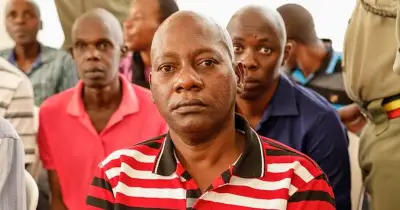
In a significant development in Nigeria's long-running terrorism prosecution, one of the defendants accused of involvement in the 2011 United Nations House bombing in Abuja has provided detailed testimony about his connection to the Ansaru terrorist group. Mohammed Bashir Saleh, standing trial alongside several co-defendants, revealed his affiliation with the organization through a video recording presented before Justice Emeka Nwite at the Federal High Court.
Suspect Details Joining Ansaru in Bauchi Before Deadly Attack
The recorded testimony, played during Wednesday's court proceedings, featured Saleh explaining how he became involved with the terrorist organization. "I joined the group in Bauchi, and at the time, I had a blossoming relationship with its members," Saleh stated in the video evidence. This admission places him within the Ansaru network shortly before the devastating August 26, 2011 attack that targeted the UN building in Nigeria's capital.
Prosecutors have consistently linked the Ansaru group, allegedly led by Mohammed Usman (also known as Khalid Al-Barnawi), to the coordinated bombing that resulted in more than twenty fatalities and left numerous individuals injured. The violent incident represented one of the most significant terrorist attacks on international diplomatic premises within Nigerian territory, sending shockwaves through security and diplomatic circles.
Defendants Challenge Confessional Statements Amid Ongoing Trial
While Saleh's recorded statements provide new insights into his alleged involvement, the broader legal proceedings have encountered complications regarding evidentiary matters. All defendants in the case have formally denied their previous confessional statements, claiming these admissions were obtained under duress during their custody with the State Security Services (SSS). This contention has prompted the court to initiate a trial-within-trial specifically to examine the circumstances surrounding these contested confessions.
The prosecution's case extends beyond the UN House bombing, alleging that the defendants participated in a broader conspiracy to commit terrorist acts across multiple northern states between 2011 and 2013. The charges specifically mention activities in Sokoto, Kebbi, Bauchi, Borno, and Gombe states, indicating the geographic scope of the alleged terrorist network's operations.
Comprehensive Terrorism Charges Against Multiple Defendants
The State Security Services is prosecuting Saleh alongside several co-defendants on multiple terrorism-related charges. The accused individuals include:
- Mohammed Usman (Khalid Al-Barnawi), alleged leader of Ansaru
- Umar Mohammed Bello (also known as Datti)
- Mohammed Salisu
- Yakubu Nuhu (popularly called Bello Maishayi)
These defendants face accusations of belonging to Jama'atu Ansarul Muslimina Fi Biladis Sudan (commonly known as Ansaru), a terrorist organization that has operated within Nigeria's northern regions. The prosecution maintains that the group orchestrated not only the UN House bombing but also planned and executed additional terrorist activities during the specified period.
The ongoing trial represents a crucial test for Nigeria's judicial system in handling complex terrorism cases that involve multiple defendants, contested evidence, and serious allegations of human rights violations during investigative procedures. As the trial-within-trial progresses to determine the admissibility of the challenged confessions, legal observers anticipate further revelations about both the defendants' alleged activities and the methods employed during their initial detention and interrogation.