The United States government has confirmed Nigeria's planned acquisition of 12 AH-1Z Viper attack helicopters, a deal valued at $997 million. The US Embassy stated that the purchase "underscores both countries' commitment to building Nigeria's defence capabilities and addressing current and emerging threats together." Production of the helicopters is scheduled to begin in September 2026, with the full programme expected to be completed by early 2029.
US Embassy Statement and Bilateral Cooperation
The announcement was made via the US Embassy's official X handle, @USinNigeria, on Tuesday, September 29, 2026. The embassy emphasised that Washington values continued cooperation with Abuja in support of peace and regional stability. This deal forms part of broader bilateral security cooperation between the two nations, reflecting a shared focus on counter-terrorism and regional security challenges.
The AH-1Z Viper is a dedicated attack helicopter manufactured by Bell Textron and is primarily used by the United States Marine Corps. Currently, Bahrain and the Czech Republic are the only international operators of this aircraft. Nigeria is set to become the next country outside the US to operate the platform, marking a significant addition to its military aviation capabilities.
Details of the Helicopter Package
The $997 million package includes not only the 12 helicopters but also associated weapons systems and support equipment. Production of the 12-aircraft batch is slated to start in September 2026, with the entire programme anticipated to wrap up by early 2029. This timeline was confirmed in the official statement, providing a clear schedule for the delivery and integration of the aircraft into Nigeria's defence forces.
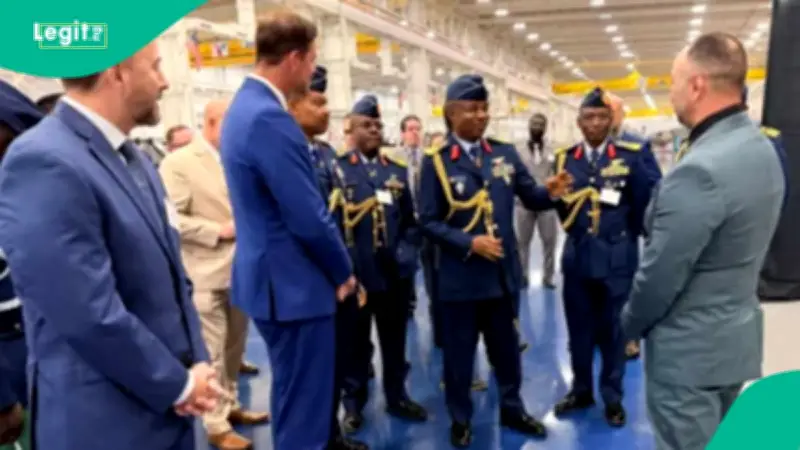
The deal is part of ongoing US-Nigeria security cooperation, which has seen recent deliveries of military equipment. On Sunday, September 6, 2026, the United States delivered military equipment to the Nigerian Air Force via a US Air Force C-17 aircraft. This delivery came one month after Nigeria's National Security Adviser, Nuhu Ribadu, led a delegation to the US-Nigeria Joint Working Group meeting in Washington, DC. That equipment was part of a foreign military sales agreement aimed at boosting Nigeria's counter-terrorism efforts in the north.
Public Reactions and Concerns
The announcement of the helicopter acquisition drew a range of reactions on social media, with many Nigerians questioning the practical impact of the deal. @MisterNice_ welcomed the acquisition but expressed doubts, writing: "Good development! Will this end insecurity on the ground? We have jets, we have troops, yet bandits still kill without fear. We need accountability and proper use, not just acquisition."
@nativeland1960 provided technical details, noting that production commences this month and that Nigeria will be the next international operator after Bahrain and the Czech Republic. @eazee010180 was more critical, stating: "Congratulations, we know that you have been collaborating with terrorist elements and their Government sponsors for a while now. From Miyetti Allah to Politicians, the list is endless."
@IfeakaMichael directed remarks at the US, writing: "He that comes with equity must come with clean hands; your hypocrisy is very loud. We are observing you, @realDonaldTrump. Your integrity is at stake; defend, prove ur critics wrong." @pastor_bruno_ took a longer view, suggesting that future cooperation could extend to more advanced platforms such as F-35s and Apache helicopters, particularly under a future administration focused on countering regional threats.
The deal underscores the deepening military ties between the US and Nigeria, with the Viper helicopters expected to enhance Nigeria's ability to conduct attack missions and support ground troops. The programme's completion by early 2029 will mark a significant milestone in Nigeria's defence modernisation efforts, though questions about accountability and operational effectiveness remain at the forefront of public discourse.