U.S. F-35C Stealth Fighter Downs Iranian Drone in Arabian Sea Incident
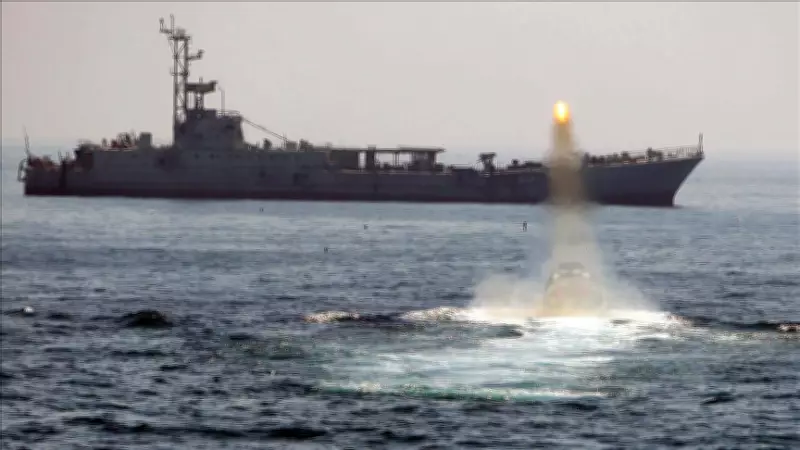
In a significant military encounter, a U.S. F-35C stealth fighter jet shot down an Iranian drone that was aggressively approaching the American aircraft carrier USS Abraham Lincoln in the Arabian Sea on Tuesday, February 3. The incident, described as an act of self-defense by U.S. officials, underscores ongoing tensions in the region.
Self-Defense Action to Protect Carrier and Personnel
According to U.S. Central Command spokesman Captain Tim Hawkins, the drone was intercepted after it approached the USS Abraham Lincoln with unclear intent while the ship was approximately 500 miles from the Iranian coast. The F-35C, which took off from the warship, engaged the drone to safeguard the aircraft carrier and its crew, with no American service members harmed in the operation.
Hawkins emphasized that the response was necessary to prevent potential threats, stating that the drone's aggressive behavior posed a risk to U.S. assets. This action highlights the heightened vigilance of U.S. forces in the area amid escalating regional dynamics.
Subsequent Harassment of U.S. Oil Tanker
Hours after the drone incident, U.S. Central Command reported that forces from Iran's Islamic Revolutionary Guard Corps harassed the Stena Imperative, a U.S.-flagged and crewed oil tanker, in the Strait of Hormuz. Two Iranian military boats and an Iranian drone approached the vessel at high speeds, threatening to board and seize it.
The USS McCaul, a guided-missile destroyer in the vicinity, responded to escort the tanker, supported by U.S. Air Force assets. Hawkins condemned these actions, noting that continued Iranian harassment in international waters and airspace will not be tolerated, as it increases risks of collision, miscalculation, and regional destabilization.
U.S. Military Buildup and Regional Context
This incident occurs against a backdrop of increased U.S. military presence near Iran, referred to by former President Trump as a massive armada. The deployment, aimed at monitoring Iran's response to widespread protests that erupted late last year, reflects ongoing strategic concerns. Thousands of protesters are believed to have been killed in a crackdown by Iranian authorities, adding to the volatile situation.
Hawkins reiterated that CENTCOM forces are operating with the highest professionalism to ensure the safety of U.S. personnel, ships, and aircraft in the Middle East. The events underscore the complex security challenges in the region, with implications for international maritime and aerial navigation.