United States Expands Military Collaboration with Nigeria Against Islamic State Networks
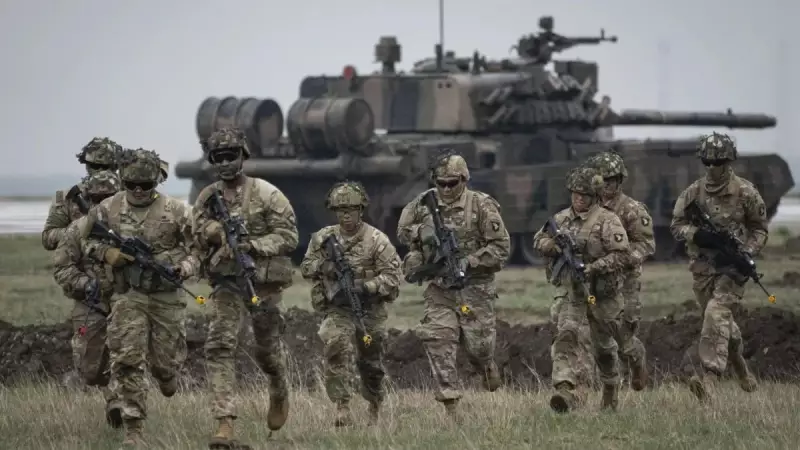
The United States military is significantly increasing its delivery of critical equipment and enhancing intelligence sharing operations with Nigeria. This strategic move forms part of a broader initiative to strengthen partnerships with African militaries in their collective fight against Islamic State-affiliated militant groups operating across the continent.
Enhanced Counterterrorism Strategy Across Africa
US Army Lieutenant General John Brennan, deputy commander of United States Africa Command, confirmed this renewed cooperation during recent security discussions in Abuja. He emphasized that Washington's intensified engagement reflects a growing determination to systematically pursue Islamic State-linked organizations throughout Africa while addressing urgent concerns about persistent jihadist violence within Nigeria's borders.
"From Somalia to Nigeria, the problem set is connected," Brennan stated during his Abuja visit. "So we're trying to dismantle it and then provide partners with the information they need to succeed."
Intelligence Sharing and Tactical Support Focus
The Pentagon's renewed approach involves closer collaboration with regional partners and fewer restrictions on equipment and capabilities provided to allied forces. Brennan detailed that future American support will primarily concentrate on intelligence sharing to bolster Nigerian air operations in critical regions including Sokoto State and the northeast, where Boko Haram and its splinter faction, Islamic State West Africa Province (ISWAP), have maintained a violent insurgency since 2009.
Brennan identified ISWAP as currently the most concerning militant group operating in the region, requiring coordinated international response efforts.
Recent Military Actions and Regional Context
These developments follow recent US airstrikes against Islamic State-linked targets in northwest Nigeria conducted on Christmas Day. Brennan explained that initial American strikes targeted militants associated with Islamic State Sahel Province, a group traditionally active in neighboring Niger but increasingly expanding toward coastal West African nations including Nigeria.
The full impact of these military operations remains under assessment, with Nigeria's Minister of Information, Mohammed Idris, describing the ongoing efforts as "still a work in progress" and no independent confirmation yet available regarding militant casualties.
Persisting Diplomatic Complexities
Despite strengthened military cooperation, diplomatic tensions continue between Washington and Abuja. Recent US accusations regarding Nigeria's protection of Christian communities have been firmly rejected by the Nigerian government and independent analysts, who argue that the country's security challenges transcend religious and ethnic divisions.
During the joint working group meeting in Abuja, senior US State Department official Allison Hooker's statements urging Nigeria to protect Christians drew criticism for overlooking Muslim victims of armed violence. Brennan clarified that US intelligence support would not prioritize any single religious group, maintaining that counterterrorism remains the exclusive focus.
Broader Sahel Engagement Strategy
Beyond Nigeria, Brennan revealed that the United States continues discreet intelligence sharing with military authorities in Burkina Faso, Mali and Niger, despite strained diplomatic relations following recent coups that overthrew civilian governments between 2020 and 2023.
"We still talk to our military partners across the Sahelian states, even though it's not official," he acknowledged, while clarifying that Washington has no intentions to establish new military bases in the region following its withdrawal from Niger, nor plans to replace its former drone base in Agadez.
Analytical Perspectives and Future Outlook
Security analysts have noted increased US intelligence surveillance flights over Nigerian territory in recent months, though questions persist about whether aerial support alone can effectively defeat militant groups that exploit poverty and weak state presence in rural areas.
Brennan outlined that comprehensive cooperation with Nigeria will encompass multiple dimensions including intelligence sharing, tactical operational support, and assistance in military equipment procurement processes. This multifaceted approach represents Washington's commitment to addressing interconnected security threats across West Africa through sustained partnership and strategic resource allocation.