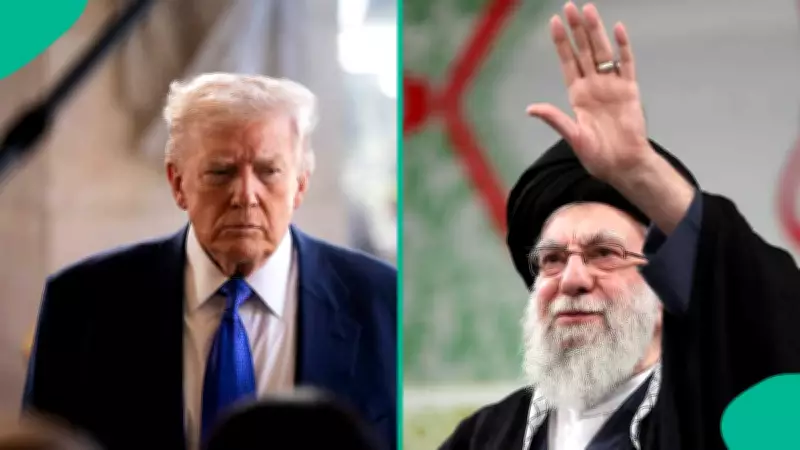
US Fighter Jet Destroys Iranian Drone Near Aircraft Carrier in Arabian Sea
In a significant escalation of military tensions, a United States fighter jet has shot down an Iranian drone that approached an American aircraft carrier in the Arabian Sea. The incident occurred on Tuesday, February 3, 2026, as the USS Abraham Lincoln was transiting approximately 500 miles from Iran's southern coast.
Self-Defense Action Against Unclear Intent
Pentagon officials confirmed that the drone was destroyed "in self-defence" after it came within range of the aircraft carrier with what was described as "unclear intent." According to Capt Tim Hawkins, a spokesman for US Central Command, an F-35C stealth fighter jet launched from the USS Abraham Lincoln intercepted and shot down the Shahed-139 drone to protect the ship and its personnel.
Hawkins emphasized that no US equipment was damaged and no service members were harmed during the engagement. The Iranian drone was reportedly "aggressively approaching" the aircraft carrier when the decision was made to neutralize the threat.
Rising Tensions Amid Diplomatic Preparations
The drone incident comes at a particularly sensitive time, as both Washington and Tehran are preparing for fresh diplomatic talks scheduled for later this week. These negotiations are expected to address ongoing disputes, particularly regarding Iran's nuclear program.
White House Press Secretary Karoline Leavitt confirmed that negotiations between the US and Iran remain on schedule despite the military confrontation. She stated that President Donald Trump "remains committed to always pursuing diplomacy first" but added that he "has always a range of options on the table, and that includes the use of military force."
Military Buildup and Regional Implications
The Arabian Sea incident highlights the fragile state of US-Iran relations, with military tensions running alongside ongoing diplomatic efforts. Washington has been steadily increasing its military presence in the region amid heightened tensions with Tehran.
Iran's Supreme Leader Ayatollah Ali Khamenei has previously warned that any attack on the country would spark a "regional war," though Tehran has not yet commented on Tuesday's drone incident. The situation is further complicated by recent conflicts in the Middle East, including Israeli military actions and US strikes on Iranian nuclear facilities.
Diplomatic Channels Remain Open
Despite the military confrontation, diplomatic channels appear to remain active. US special envoy Steve Witkoff, described as Trump's most senior overseas envoy, is expected to attend the upcoming talks on behalf of the White House. Initial reports suggested the meeting would take place in Istanbul, though there are indications Tehran may prefer Oman as the venue.
Analysts suggest that the outcome of these diplomatic talks could prove decisive in shaping the next phase of Washington's approach to Tehran. The drone incident serves as a stark reminder of how quickly military tensions can escalate even as diplomatic efforts continue.
The broader context includes President Trump's recent criticism of both Israel and Iran for violating a ceasefire agreement, highlighting the complex web of relationships and conflicts in the region. As military assets continue to operate in close proximity, the potential for further incidents remains high, making the upcoming diplomatic engagement particularly crucial for regional stability.