IGP Disu Clarifies Police Tactical Units Restructuring, Denies Dissolution Reports
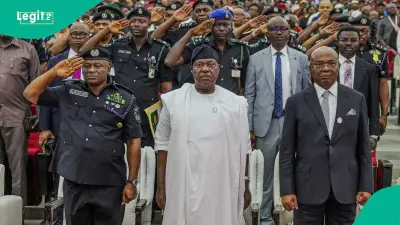
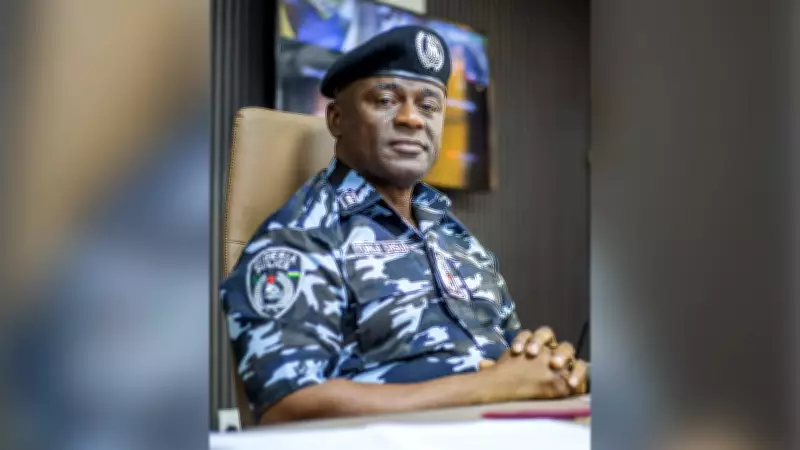
Inspector-General of Police (IGP) Olatunji Disu has firmly denied widespread reports alleging the dissolution of multiple tactical units operating across state commands nationwide. The clarification comes amid public confusion and media speculation regarding the police force's operational restructuring.
Official Statement Corrects Misinformation
Force Public Relations Officer (FPRO) Anthony Placid issued a detailed statement to address what he described as inaccurate information circulating about the IGP's directives. Placid emphasized that the reports fundamentally misrepresented the actual views and orders of Inspector-General Disu, creating unnecessary alarm within law enforcement circles and the general public.
The official clarification specifies that the IGP's directive focuses on reduction rather than dissolution. At Zonal and State Command levels, tactical teams will be reduced to a maximum of five units, while Area Command and Divisional levels will maintain a maximum of three tactical teams. This structured approach aims to streamline operations without eliminating critical crime-fighting capabilities.
Background of the Restructuring Decision
Inspector-General Disu, described as a grassroots officer with extensive networks across Nigerian society, is reportedly aware of public concerns regarding police tactical teams' operations. The proliferation of such teams created by various Commissioners of Police and formation heads has generated significant backlash from communities and civil society organizations.
The IGP values the contribution of tactical teams to crime-fighting efforts, having personally witnessed their effectiveness during his nationwide command positions. However, he has expressed discomfort with their uncontrolled multiplication, which drains essential manpower from Police Divisions and Posts. This shortage of personnel at basic policing levels compromises overall law enforcement effectiveness.
Additionally, the proliferation of poorly supervised tactical teams has raised integrity issues for the entire police force. Excesses by some units have damaged public trust and created operational challenges that require immediate attention through structured reforms rather than complete dissolution.
HURIWA Calls for Corruption Crackdown
Meanwhile, the Human Rights Writers Association of Nigeria (HURIWA) has urged the newly appointed IGP to prioritize combating endemic corruption within the police force. In a statement signed by National Coordinator Emmanuel Onwubiko, the pro-democracy and civil rights advocacy group highlighted systemic issues requiring urgent attention.
HURIWA alleged that the immediate past Inspector-General of Police, Kayode Egbetokun, failed to adequately address corruption during his tenure. The association claims that police stations under the previous administration charged complainants for filing reports, creating barriers to justice for ordinary citizens.
Furthermore, HURIWA's statement reveals alarming infrastructure deficiencies, with approximately 85 percent of police stations reportedly lacking functional crime-fighting vehicles. Victims of crimes are often told to provide fuel for the few available vehicles, adding financial burdens to already traumatized individuals seeking police assistance.
The rights group specifically called on IGP Disu to focus on eradicating deeply-rooted bribery practices among officers working directly under his office in Abuja and within specialized crime-fighting units at Force Headquarters. This comprehensive approach to reform addresses both structural operational issues and systemic corruption challenges facing Nigeria's police force.