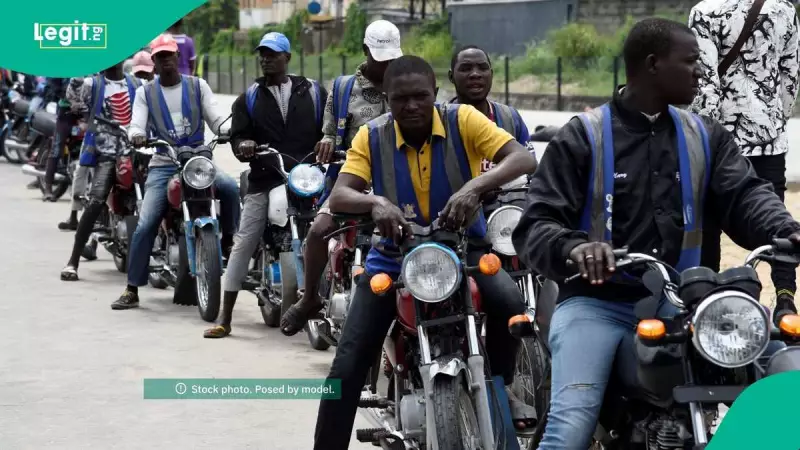
The Kano State Police Command, in collaboration with the Kano State Road Traffic Agency (KAROTA), has triggered significant public anger with its strict enforcement of a reinstated ban on motorcycle passenger transport. While authorities state the move is a necessary security measure, residents are decrying what they see as a severe lack of common sense and compassion, as private individuals are being arrested for simply giving rides to their own family members.
Families and Good Samaritans Caught in Enforcement Dragnet
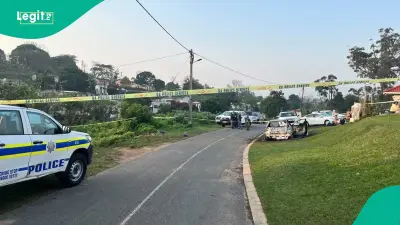
Investigations reveal that the enforcement, which began on December 5, 2025, is targeting not just commercial motorcycle operators, known locally as 'Achaba,' but also private citizens. Security agents are reportedly arresting riders and impounding their motorcycles even when passengers are spouses, children, colleagues, or individuals in need of urgent assistance.
One victim, Malam Ahmed Ibrahim, a civil servant, was stopped at a checkpoint near Hotoro while taking his wife to a medical appointment. "I showed them my ID, my wife's hospital card, and explained this was my family," he lamented. "They insisted it was a violation. My bike was seized, and I had to pay a fine after pleading."
Similarly, Aisha Yusuf, a teacher in Sallari, faced distress when her husband was stopped while carrying her and their child. "The KAROTA officers said carrying more than one person is an offence, even if they are your family. They took his motorcycle," she said, explaining the financial strain of now relying on costlier commercial tricycles.
Officials Defend Policy as Critical Security Measure
In stark contrast to the public outcry, the police have firmly defended the ban. The Police Public Relations Officer in Kano, SP Abdullahi Haruna Kiyawa, reiterated that the action is a vital security strategy. "Those motorcycles we confiscated, we will take the offenders to court; therefore, we urge the public to comply for their own safety," Kiyawa stated.
Officials argue that the blanket ban is essential to curb criminal activities often associated with motorcycle transport and to improve overall traffic safety in the state. They maintain that strict, non-discriminatory enforcement is the only way to ensure the policy's effectiveness.
Residents Decry 'Shocking' Lack of Compassion and Flexibility
Residents, however, are sharing stories that highlight the policy's rigid and, in their view, inhumane application. Businessman Salmanu Ahmad was arrested for giving a lift to a colleague from the market to a nearby bus stop. "We were just helping each other. They termed it 'illegal passenger conveyance.' The enforcement is too rigid, with no room for common sense," he stated.
Perhaps the most poignant account came from Malam Jabiru Aliyu, who witnessed KAROTA officials stop a man taking a sick neighbour to a clinic. "The woman was in clear distress. I had to intervene to explain it was an emergency, but the officer said the law is the law," Aliyu recounted. He claimed the bike was confiscated and only released after an informal payment was made, calling the incident a "shocking" display of a lack of compassion.
This controversy unfolds against a grim backdrop of insecurity in the state. Earlier in the week, on Monday, December 1, armed bandits attacked the farming community of Unguwar Tsamiya in Shanono Local Government Area. The assailants killed several residents, burnt homes, looted possessions, and abducted eleven people (nine men and two women), further heightening tensions and fears among the populace.
The disconnect between the government's security rationale and the daily realities of Kano's citizens has created a significant rift. While the state seeks to project control and safety, many residents feel victimized by the very measures meant to protect them, caught between the threat of bandits and the inflexibility of law enforcement.