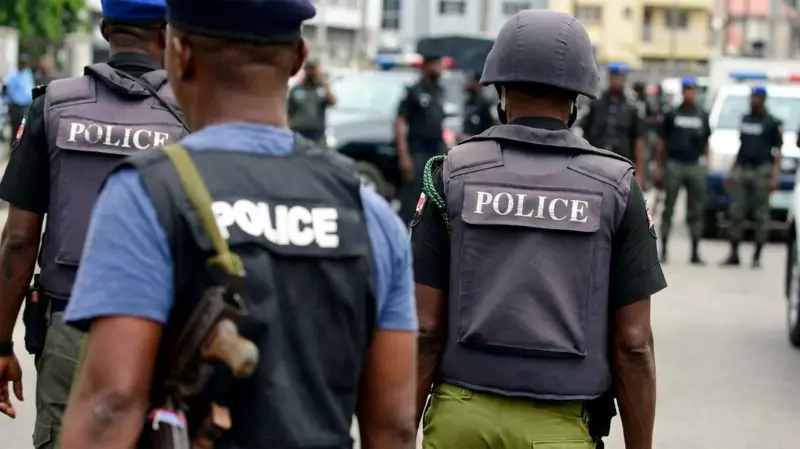
In a decisive move to address Nigeria's pervasive security challenges, President Bola Ahmed Tinubu has issued a presidential directive for the immediate withdrawal of all police officers attached to Very Important Persons (VIPs). This order, given during a high-profile security meeting at the State House in Abuja, mandates the redeployment of these officers to frontline policing duties within local communities.
A History of Failed Attempts and Systemic Resistance
The concept of withdrawing police personnel from private guards for wealthy elites is not novel. The historical record reveals a pattern of bold announcements followed by swift reversals due to political pressure. The first major attempt was in 2003 under Inspector-General of Police (IGP) Mustafa Adebayo Balogun, who cited misuse of personnel. It was reversed within weeks after criticism from influential figures.
Subsequent IGPs—Ogbonnaya Onovo in 2009, Hafiz Ringim in 2010, Mohammed Abubakar in 2012, Solomon Arase in 2016, Ibrahim Idris, and Mohammed Adamu in 2020—all issued similar directives with minimal lasting success. The current IGP, Kayode Egbetokun, who assumed office in 2023, had also planned a withdrawal, but its scope appears limited. This checkered history underscores the entrenched interests that have consistently undermined such reforms.
The Core Rationale: Addressing Manpower Crisis and Insecurity
The primary driver for this latest order is the critical shortage of police personnel available for core public safety duties. Reports indicate that a staggering quarter of the police force is dedicated to guard duties for VIPs. This drain occurs while the nation grapples with terrorism, kidnapping, and rampant violent crime that leaves ordinary citizens vulnerable.
President Tinubu's directive is twofold: first, the immediate withdrawal and redeployment of existing officers; second, the approval for the recruitment of 30,000 additional personnel into the Nigeria Police Force. The goal is to boost police presence in underserved and remote communities where stations are critically understaffed.
Furthermore, the order stipulates that VIPs requiring protective services should henceforth obtain them from the Nigeria Security and Civil Defence Corps (NSCDC), which has been instructed to provide the necessary armed personnel.
Challenges and Imperatives for Sustainable Reform
For this presidential order to avoid the fate of its predecessors, several critical steps must be taken. First, the redeployment and recruitment must be implemented immediately and transparently to allow communities to feel the impact. Past recruitment drives have been scuttled by bureaucratic disagreements.
Second, there must be consequences for breaches. Historically, no one faced penalties for flouting such directives, enabling widespread non-compliance through collusion between officials and VIPs.
Third, the welfare and training of officers are paramount. The allure of VIP guard duty often lies in the extra financial benefits, which can exceed official salaries, creating loyalty to individuals over the nation. Improving police welfare and providing modern training with advanced technology is essential to refocus the force on its constitutional duty.
Finally, this effort should complement, not replace, the broader security architecture overhaul, including the promised creation of state police and increased recruitment into the armed forces to tackle terrorism.
The success of President Tinubu's order hinges on sustained political will. It represents a pragmatic step towards reclaiming the police force for its primary purpose: protecting all Nigerians, not just a privileged few. The nation watches to see if this time will indeed be different.