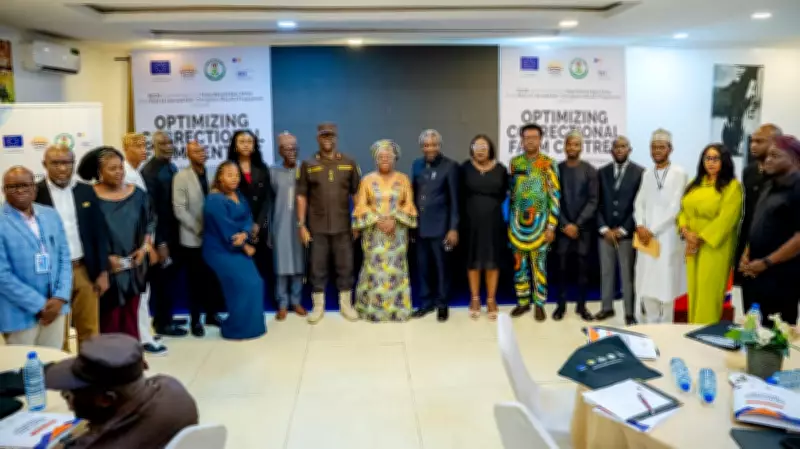
CSO Backs Federal Government, Demands Comprehensive Reform of Correctional Farm Centers
A prominent civil society organization, Hope Behind Bars Africa, has expressed strong support for the Federal Government's ongoing initiatives to reform Nigeria's correctional system. The group is now calling for a thorough and systematic overhaul of correctional farm centers across the nation to significantly strengthen inmate rehabilitation efforts and effectively reduce rates of recidivism.
Executive Director Highlights Need for Sustainable Solutions
Funke Adeoye, the Executive Director of Hope Behind Bars Africa, acknowledged recent positive steps taken by the Federal Government, including improvements in inmate feeding allocations. However, she emphasized that these measures must be complemented by more sustainable, long-term solutions to create lasting impact within the correctional system.
Adeoye pointed out that correctional farm centers remain critically underutilized, despite their immense potential to drive substantial food production, facilitate valuable skills acquisition, and promote economic empowerment for inmates. She explained that this call for reform aligns perfectly with the mandate established under the Nigerian Correctional Service Act of 2019, which explicitly provides for the rehabilitation, reformation, and reintegration of inmates, while encouraging collaboration with non-state actors.
Moving Beyond Basic Feeding Budgets
According to Adeoye, "the conversation must move decisively beyond merely increasing feeding budgets to building robust systems that enable custodial centers to produce their own food, equip inmates with practical, marketable skills, and thoroughly prepare them for productive life after incarceration."
She disclosed that her organization's innovative Farming Justice Project was specifically conceived to address these identified gaps by systematically integrating agriculture into correctional rehabilitation programs. This initiative is currently being implemented across multiple custodial centers in Abuja, Lagos, and Edo States, including facilities at Kuje, Dukpa, Kirikiri Female, and Oko.
Structured Training and Agricultural Production
In these centers, inmates are engaged in comprehensive, structured training modules covering:
- Behavioral change and personal development
- Financial literacy and money management
- Agricultural production techniques and best practices
Participants are actively cultivating various crops including pepper, okra, watermelon, and maize, alongside engaging in fish farming activities. Remarkably, some of this produce is already being supplied to nearby communities, creating beneficial linkages between correctional facilities and their local environments.
Measurable Impact and National Benefits
The program has recorded significant, measurable impact, reaching hundreds of inmates and correctional officers while simultaneously creating tangible economic opportunities through emerging micro-enterprises linked to agricultural activities.
"Beyond improving inmate welfare, this initiative directly addresses two critical national challenges—food insecurity and recidivism," Adeoye stated. "When individuals are properly equipped with practical skills and supported through structured, meaningful programs, they are substantially less likely to return to criminal activities after their release."
Call for Expanded Collaboration
The organization has issued a strong call for enhanced collaboration between government agencies, private sector players, and civil society organizations to scale up correctional agriculture initiatives nationwide. Adeoye stressed that optimizing correctional farm centers could transform them into productive economic hubs that contribute meaningfully to national food security, promote economic inclusion for former inmates, and help build safer, more resilient communities across Nigeria.