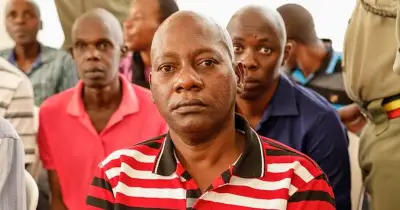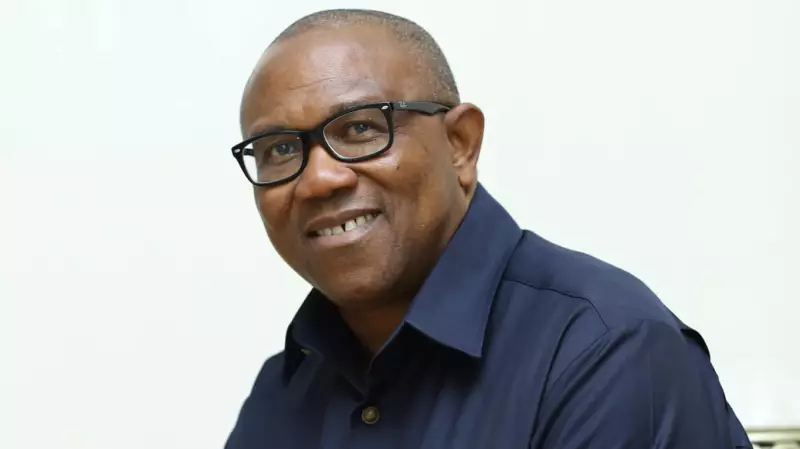
In a significant move to support education behind bars, former Anambra State Governor and Labour Party presidential candidate, Peter Obi, has committed to covering the National Examinations Council (NECO) registration fees for nearly 150 inmates across the state.
Financial Intervention for Educational Continuity
The pledge was made public on Sunday, December 6, 2025, after Obi met with a delegation representing inmates from correctional centres in Awka, Onitsha, Nnewi, and Aguata. The delegation informed him that 148 inmates were at risk of being disqualified from continuing their NECO examinations due to unpaid fees.
According to the breakdown provided to Obi:
- 50 inmates are registered in Awka.
- 36 inmates are registered in Onitsha.
- 25 inmates are registered in Nnewi.
- 37 inmates are registered in Aguata.
With an examination fee of ₦30,050 per student and an additional ₦2,000 for logistics, the total financial requirement for this intervention amounts to a substantial ₦4,741,400. Obi assured the representatives that he would formally guarantee the payment on Monday and collaborate with associates to raise the funds promptly, ensuring the inmates can complete their exams without disruption.
Education as a Tool for Reformation and Reintegration
Peter Obi emphasised that access to education is a critical component of rehabilitation and successful social reintegration. He argued that correctional centres should function primarily as centres of reformation, with education and skills acquisition at the core of their mission, rather than focusing solely on punishment.
"When individuals complete their terms, they must be equipped to contribute positively to themselves and to society," Obi stated. "These young men deserve a real chance to turn their lives around and become productive members of the community."
Inspiration from Global Models and a Call for Broader Reform
Obi's commitment was partly inspired by his recent observations at California State University, Sacramento. There, he studied programmes like the Guidance Scholars Programme for foster children and Project Rebound, which assists formerly incarcerated individuals through education.
This experience reinforced his belief in inclusive leadership that prioritises second chances. Furthermore, Obi used the opportunity to question the broader state of inmate education across Nigeria, expressing concern over the limited access to learning opportunities in many correctional facilities nationwide. He highlighted that limited access to education and economic opportunity is often a root cause of incarceration, making educational interventions inside prisons all the more vital for national development.