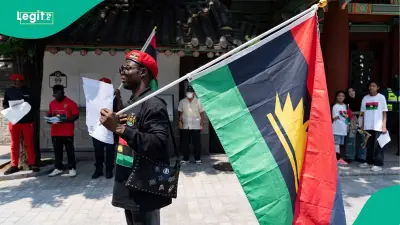
The Body of Founders (BOF) of the NEO-Black Movement of Africa Worldwide has called on the Federal Government and security agencies to urgently strengthen security around schools across Nigeria by deploying military personnel and other security operatives. This appeal comes amid escalating attacks on educational institutions by terrorists and kidnappers, which the group describes as a grave threat to the nation's future and educational development.
Press Conference in Asaba
Speaking during a world press conference held in Asaba, Delta State, on Thursday, the BOF Coordinator, Akpo Bodunrin Diekomaoh, emphasized that Nigerian children deserve to learn in a safe and secure environment free from fear, violence, and intimidation. Addressing journalists on the theme 'Bring Back Our Children and Teachers,' Diekomaoh lamented the continued targeting of school children and educators by criminal elements, warning that persistent insecurity could have devastating consequences for national growth and social stability.
Call for Practical Solutions
Diekomaoh stressed that every Nigerian child must have access to education in a protected environment. He urged government authorities to move beyond blame games and focus on practical solutions to secure the release of all abducted pupils and teachers currently in captivity. 'We should not be engaged in accusations. Rather, we should focus on reconciliation of our actions and restructuring the security apparatus to secure the release of these children and teachers,' he stated.
Deployment of Military Personnel
The BOF coordinator advocated for increased investment in protecting vulnerable persons, especially school children in remote communities often exposed to attacks due to inadequate security presence. He specifically called for the deployment of military personnel and trained security operatives to schools, particularly those located in isolated and high-risk areas. Diekomaoh noted that such measures had yielded positive results in some parts of the country, citing the example of the South-West where secondary schools were once equipped with paramilitary services, including Man-of-war and military personnel who instilled discipline and stood ready to defend the schools.
Strengthening Security Architecture
Diekomaoh further advocated for the reorganization of Nigeria's security architecture, including strengthening community and local policing structures to enhance intelligence gathering and rapid response to security threats. While acknowledging efforts already being made, he argued that corruption and indiscipline had hindered the effectiveness of some local security initiatives. He also expressed concern over the infiltration of criminal elements into the nation's security framework through recruitment processes, warning that such practices could further compromise public safety. He criticized the inclusion of individuals with violent backgrounds and serious criminal records into security structures on the grounds of repentance, insisting that those entrusted with protecting lives and property must possess unquestionable integrity.
Call for Collaboration
The group urged the Federal Government, state governments, security agencies, community leaders, and civil society organizations to collaborate in developing sustainable strategies aimed at safeguarding schools and restoring public confidence in the nation's education system.