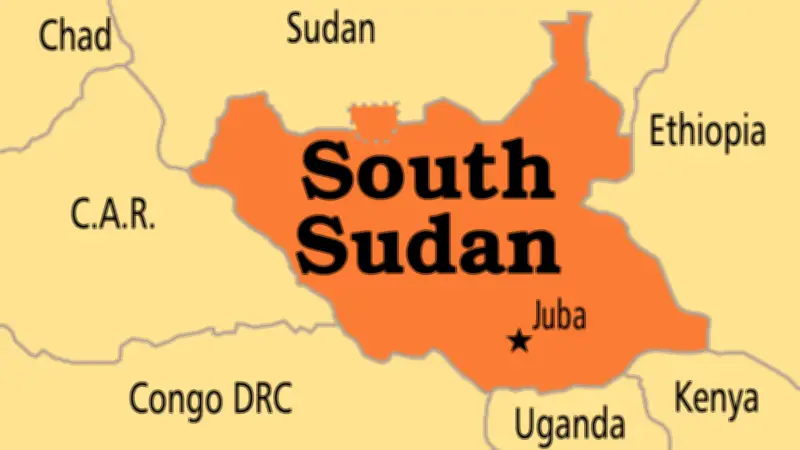
Conflict-related sexual violence (CRSV) in South Sudan is escalating beyond traditional warzones, according to recent Institute for Security Studies fieldwork. The violence now includes attacks by youth gangs in the capital Juba, trafficking of women from neighboring countries, and exploitation at artisanal mining sites.
Evolving Nature of Violence
Sources describe an increase in gang rapes by youth gangs in Juba, with assaults sometimes recorded and circulated on social media. This reflects the growing intersection between physical and technology-facilitated gender-based violence. Fieldwork respondents also pointed to the trafficking of women and girls from Ethiopia, the Central African Republic, and Sudan. Sexual exploitation occurs around artisanal mining sites in areas such as Jebel Iraq, west of Juba, and Kapoeta in the southeast.
Displaced women face heightened risks when collecting food, water, or firewood outside protected sites, particularly in insecure rural areas. Communities in northern Nasir and Leer counties are disproportionately vulnerable.
Historical Context and Peace Failures
The current crisis is rooted in the country's peace agreements. The 2005 Comprehensive Peace Agreement, which ended Sudan's 21-year conflict and established South Sudan, did not cover justice for CRSV. Consequently, when civil war erupted in 2013, sexual violence continued to be perpetrated by forces aligned with the government, the Sudan People's Liberation Army in Opposition (SPLA/IO), the South Sudan People's Defence Forces (SSPDF), and militias. Victims were often targeted along ethnic lines. Amnesty International has documented instances of rape and gang rape, often accompanied by mutilation and killing.
Impunity and Underreporting
The persistence of CRSV is tied to tolerance within weak military structures. Despite military tribunals, both the SSPDF and SPLA/IO have shown limited willingness to investigate or prosecute perpetrators. Between July and September 2025, the United Nations Mission in South Sudan (UNMISS) documented a 147% increase in civilian victims of CRSV compared to the same period in 2024. The real number is unknown due to widespread underreporting driven by stigma, fear of reprisal, and a dysfunctional justice system. State and non-state actors also restrict access to verification teams.
Silent Crises and Limited Progress
The enduring legacy includes children born of wartime sexual assault who face exclusion. Sexual violence against men and boys remains obscured by stigma and shame. South Sudan has made some progress through court martials, mobile courts, and specialized judicial mechanisms. Convictions were secured in 2018 and 2022, alongside the creation of a dedicated Gender-Based Violence and Juvenile Court in Juba. However, these gains are limited by poorly trained police, weak investigations, and corruption.
Peace Agreement and UNMISS Mandate Challenges
The 2018 revitalized peace agreement prioritized reconciliation and reparations while ignoring criminal justice and civilian protection. This creates a paradox where alleged perpetrators become political stakeholders. UNMISS's recent mandate renewal reduced troop numbers and removed references to CRSV and the Women, Peace and Security agenda, reflecting a wider US-led rollback of gender commitments.
Recommended Priorities
To address the deepening protection crisis, four priorities merit attention. First, the UNMISS mandate must retain explicit CRSV provisions and ensure adequate protection capacity and unrestricted access. Second, efforts to address sexual and gender-based violence should be linked to broader constitutional and rule of law reforms. Third, elite impunity must end by strengthening specialized courts and advancing the Hybrid Court. Finally, international partners should expand long-term assistance for local civil society organizations and survivor-led networks.