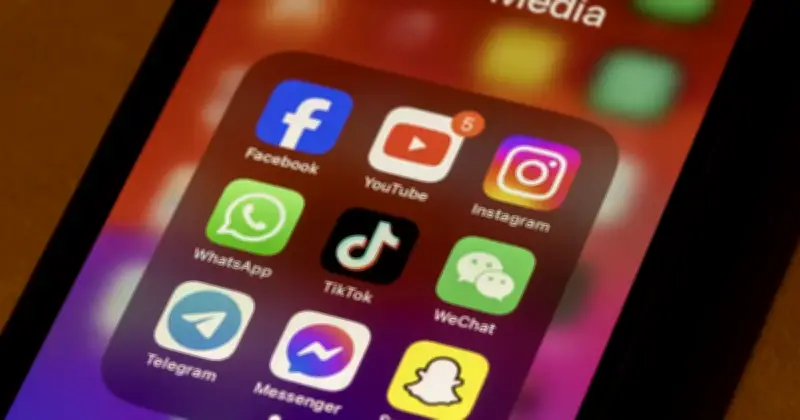
The United Kingdom government has announced a landmark plan to prohibit children under the age of 16 from accessing major social media platforms, including TikTok, Instagram, Snapchat, Facebook, X, and YouTube. Prime Minister Keir Starmer described the initiative as a move to "give kids their childhood back." The policy follows a nationwide public consultation that garnered over 116,000 responses from parents, children, educators, and experts.
Scope of the Ban
Under the proposed legislation, all user-to-user social media platforms will be covered. The restrictions will also target features considered particularly risky for young users, such as livestreaming and communication with strangers. Some gaming platforms that incorporate these functions will also be affected. However, messaging services like WhatsApp and Signal will remain exempt, according to government officials.
Additional Protections for Older Teens
The government emphasized that protections will not cease abruptly at age 16. Instead, restrictions will automatically apply to 16- and 17-year-olds by default to avoid what ministers described as a "cliff-edge at 16." Further measures under consideration include overnight social media curfews and mandatory scrolling breaks for users under 18. More details on these proposals are expected next month.
Enforcement and Age Verification
To enforce the new rules, the government plans to introduce stronger age-verification systems known as Highly Effective Age Assurance (HEAA) measures. These are designed to make it significantly harder for children to bypass age restrictions online. The UK's communications regulator, Ofcom, has been tasked with conducting a rapid review into the most effective methods of verifying whether a user is over 16. Technology Secretary Liz Kendall has also written to the incoming Chair of Ofcom, requesting an urgent assessment of the regulator's enforcement powers and a clear strategy for ensuring compliance.
Public and Expert Support
Support for the proposal appears strong among parents. Government consultation findings showed that nine out of ten parents back a social media ban for under-16s. Additionally, around two-thirds of young people who participated said children younger than 16 should not have access to at least some social media platforms. Children’s Commissioner for England Dame Rachel de Souza welcomed the move but warned that its success would depend on effective enforcement. "Banning certain social media platforms for under 16s and stopping children accessing harmful functions such as livestreaming and stranger communication – is a positive response to what children have been telling me. However, these measures will only be as strong as their enforcement – which I will be watching closely," she said.
Daniel Kebede, General Secretary of the National Education Union, also backed the proposal. "This is a turning point in the fight to protect children online. For too long Big Tech companies have designed systems that hook children early, keep them online for as long as possible, and profit from their attention – even when it exposes them to harm. This decision is a necessary step towards stopping that exploitation," he stated.
Background and Context
The announcement comes amid growing concerns about the impact of social media on children's mental health, online safety, and privacy. Researchers and child protection advocates have increasingly called for stronger regulation of digital platforms used by minors. Last month, Dr. Francis Rees, a law lecturer at the University of Essex and principal investigator for the Child Influencer Project, warned about the risks associated with parents sharing large amounts of content featuring their children online. "When very young children appear in online content, they are not simply joining in with a family routine, but are contributing to an attention economy that does not have the safeguards that exist in more traditional child performance settings," she said.
If approved, the UK ban would become one of the most far-reaching attempts by a major country to limit children's access to social media and other online platforms. The government has adopted a model similar to the one introduced in Australia, where age restrictions have been tightened for social media users.