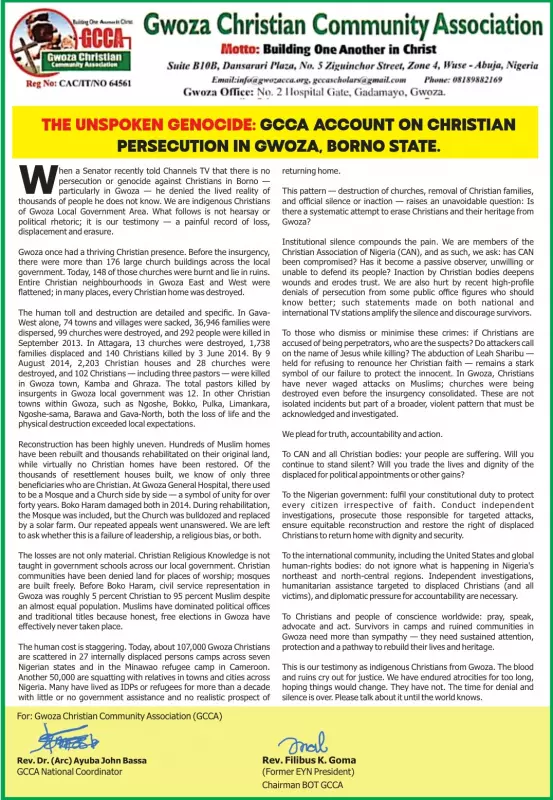
In a devastating account that highlights the ongoing religious persecution in Nigeria's northeast, the Christian Association of Nigeria (CAN) in Borno State has revealed the staggering scale of destruction wrought by Boko Haram terrorists in Gwoza Local Government Area.
The Shocking Numbers
Out of 176 churches that once served the spiritual needs of Christian communities in Gwoza, a horrifying 148 have been completely burnt to the ground and now lie in ruins. This systematic destruction represents approximately 84% of all Christian worship centers in the area, leaving only 28 churches standing amid the devastation.
A Community's Trauma
The Borno State Christian Association shared these harrowing statistics during a recent briefing, painting a grim picture of religious intolerance and targeted violence. The destruction forms part of Boko Haram's broader campaign against religious diversity in the region, particularly their opposition to Western education and Christian worship.
Beyond Buildings: The Human Cost
While the physical destruction of church buildings is devastating enough, the association emphasized that the impact extends far beyond burnt structures. The attacks have:
- Displaced thousands of Christian worshippers from their ancestral homes
- Destroyed centuries-old religious heritage and artifacts
- Created deep psychological trauma among survivors
- Forced many to abandon their faith under threat of violence
- Disrupted community cohesion and interfaith relations
Systematic Erasure of Religious Identity
The pattern of destruction suggests a coordinated effort to erase Christian presence from the area. Church leaders report that the terrorists didn't merely burn buildings but systematically targeted religious symbols, Bibles, and any structures associated with Christian worship.
Call for Action and Restoration
The Christian Association has called upon both state and federal authorities to:
- Provide enhanced security for remaining Christian communities
- Support the rebuilding of destroyed worship centers
- Facilitate the safe return of displaced persons
- Document these atrocities for historical record and justice
- Promote interfaith dialogue to prevent future conflicts
The situation in Gwoza serves as a stark reminder of the ongoing religious tensions in northern Nigeria and the urgent need for comprehensive security solutions that protect all citizens regardless of their faith.