Heavy fighting between rival jihadist factions in northeast Nigeria has resulted in approximately 200 casualties in the volatile Lake Chad region, according to multiple sources confirmed on Monday.
Deadly Confrontation in Dogon Chiku
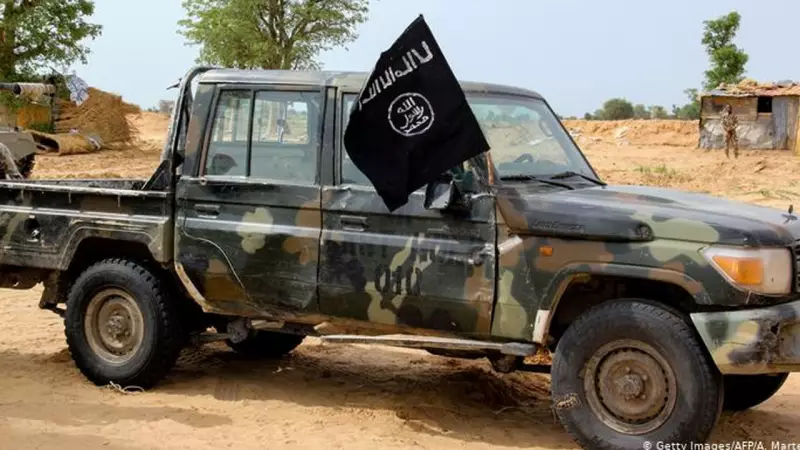
Violent clashes erupted on Sunday between Boko Haram militants and fighters from the Islamic State West Africa Province (ISWAP) in Dogon Chiku, located along the shores of Lake Chad. This represents the latest episode in an ongoing territorial conflict driven by ideological differences between the two groups.
Babakura Kolo, a member of an anti-jihadist militia supporting Nigerian military operations, provided a grim assessment of the casualties. "From the toll we got, around 200 ISWAP terrorists were killed in the fight," Kolo told AFP.
Multiple Sources Confirm Heavy Losses
The significant death toll was corroborated by Saddiku, a former Boko Haram militant who has since renounced violence but continues to monitor jihadist activities in the region. Speaking from Maiduguri, the capital of Borno state and the insurgency's epicenter, Saddiku confirmed that approximately 200 ISWAP fighters lost their lives during the confrontation, with Boko Haram suffering only four casualties.
"This could be the worst clash between the two groups since they began attacking each other," Saddiku noted, highlighting the unprecedented scale of the violence.
A Nigerian intelligence operative working in the region provided a slightly lower estimate, stating that security forces were monitoring the aftermath of clashes that killed more than 150 fighters. The source described the development as "good news" for security forces.
Historical Context and Regional Impact
The deadly rivalry between ISWAP and Boko Haram dates back to their 2016 split over ideological disagreements. Since the separation, both groups have engaged in frequent violent confrontations, with much of the fighting concentrated around the Lake Chad area.
Meanwhile, in a separate security concern affecting Nigeria's northwest, farmers in Zamfara and Sokoto States have reported increasing intimidation and extortion by armed bandits. Residents told The Guardian that despite favorable rainfall conditions in recent years, widespread attacks have transformed farmlands into conflict zones, creating constant fear among agricultural workers and threatening food supplies across northern Nigeria.
Villagers described how bandits have implemented what they call "harvest taxes," demanding payments in either cash or agricultural produce before permitting farmers to access or harvest their fields. Community sources revealed that armed groups have established checkpoints around villages, collecting levies and punishing those unable to meet their demands.
"We are living under a parallel authority," explained an anonymous farmer from Tsafe Local Government Area in Zamfara State. "They gave us a timetable on when to go to our farms, how much to pay, and they also take a portion of our grains. Those who refuse are attacked or abducted."
The alarming situation has forced numerous farmers to abandon their fields despite crops being ready for harvest, potentially exacerbating food security challenges in the region.