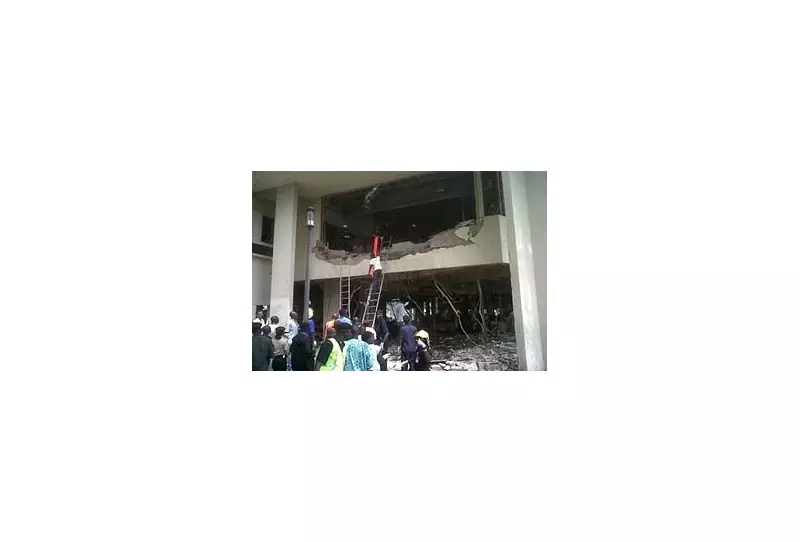
In a dramatic courtroom revelation, one of the suspects facing prosecution for the devastating 2011 United Nations building bombing in Abuja has detailed how he was recruited into the Boko Haram terrorist organization by alleged mastermind Khalid Al-Barnawi.
Courtroom Confession: The Recruitment Process
During resumed proceedings at the Federal High Court in Abuja on Wednesday, January 21, 2026, the second defendant, Mohammed Bashir Saleh, appeared via video recording where he confessed to joining Al-Barnawi in Bauchi State shortly before the coordinated attack on the UN facility. Saleh explained that from that initial meeting, his relationship with Al-Barnawi developed significantly, ultimately leading to his formal induction into the notorious terrorist group.
The Deadly Attack and Subsequent Arrests
The August 26, 2011 bombing of the United Nations building in Abuja represents one of Nigeria's most significant terrorist attacks on international property, resulting in over 20 fatalities and more than 70 individuals sustaining various injuries. This assault marked a dangerous escalation in the country's security challenges.
Al-Barnawi, who operates under multiple aliases including Kafuri, Naziru, Alhaji Yahaya, Mallam Dauda, and Alhaji Tanimu, was eventually apprehended by the Department of State Services (DSS) in April 2016 in Lokoja, Kogi State - nearly five years after the devastating attack. He faces prosecution alongside four other defendants: Mohammed Bashir Saleh; Umar Mohammed Bello (also known as Datti); Mohammed Salisu; and Yakubu Nuhu (alias Bello Maishayi).
Technical Evidence and Forensic Examination
The court proceedings featured detailed technical evidence presented by DSS personnel. A witness identified as "TSR3," who works in the Technical Department of the DSS, testified about his role in the investigation. Under cross-examination by F.K. Kaigama, lawyer representing Al-Barnawi, the witness outlined his comprehensive responsibilities:
- Setting up audio and video recording equipment in interview rooms
- Conducting audio and video recordings during suspect interrogation sessions
- Performing computer forensic examinations
- Conducting mobile phone forensic analysis
- Crime scene investigation including fingerprint collection and laboratory analysis
The witness specifically confirmed his direct involvement in Al-Barnawi's case, stating he not only set up the forensic recording equipment but also conducted real-time audio and video recording of the suspect's interview session. Additionally, he recorded both the statement-taking process and the translation of Al-Barnawi's statement.
Legal Proceedings and Adjournment
The court is currently conducting a trial-within-trial to determine the voluntariness of the defendants' confessional statements. During Wednesday's session, Justice Emeka Nwite oversaw the cross-examination of the third prosecution witness before adjourning proceedings due to other judicial commitments.
With consent from all legal representatives involved in the case, Justice Nwite scheduled the continuation of the cross-examination for March 2, 2026. The proceedings will resume with further examination of the technical evidence and the circumstances surrounding the defendants' statements to security agencies.
This high-profile terrorism trial continues to reveal disturbing details about recruitment patterns within terrorist organizations and the sophisticated forensic methods employed by Nigerian security agencies in investigating major crimes against international institutions operating within the country.