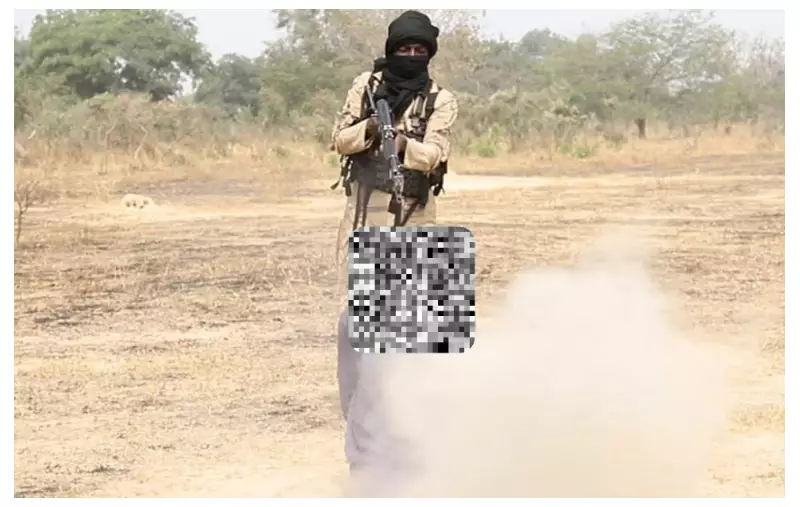
In a brutal act of violence, militants from the Islamic State West Africa Province (ISWAP) have executed a local chief from Yawal Kawa in Borno State. The terrorist group accused the traditional leader of being loyal to the Nigerian government and its military forces.
Abduction and Accusation
The chief was abducted by the terrorists last week and subjected to what the group termed an investigation. According to a detailed account shared by security analyst Brant Philip on the social media platform X on Thursday, December 18, 2025, the militants interrogated the chief about his alleged ties to the Nigerian state.
Brant Philip stated that ISWAP found the community leader guilty of cooperation and loyalty to what they labeled the "apostate Nigerian government" and the Nigerian Army. This accusation is a common tactic used by the terrorist faction to rationalize violence against civilians and community figures in the northeastern state.
Propaganda and Execution
The terrorist organization confirmed the killing by releasing a photo from the execution on its official Amaq propaganda channel on Thursday. The use of such channels to broadcast acts of violence is a standard method for ISWAP to spread fear and demonstrate its presence in the region.
The execution underscores the persistent threat posed by insurgent groups in Borno State, where community leaders often find themselves targeted from multiple sides. Local chiefs are frequently caught between the demands of terrorist groups and their duty to their communities and the state.
Context of Violence in the Northeast
This incident is not isolated. Similar allegations of collaboration with government forces have been used by Boko Haram and ISWAP to justify attacks on villages, the abduction of civilians, and the murder of traditional rulers. These actions aim to destabilize local governance structures and instill terror.
The security situation in parts of Borno remains fragile despite ongoing military operations. Attacks on soft targets and community leaders continue to challenge efforts to restore peace and normalcy to the region affected by over a decade of insurgency.
The killing of the Yawal Kawa chief represents a tragic blow to local community stability and highlights the complex dangers faced by those in leadership positions in conflict zones. It calls for continued scrutiny of the security dynamics and the protection of vulnerable community figures.