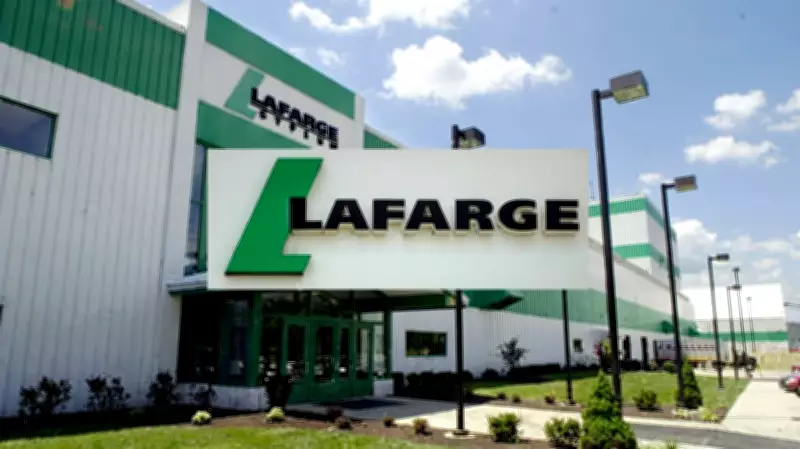
Paris Court Convicts Lafarge Cement Over Terrorism Financing
A French court in Paris has delivered a landmark verdict, finding Lafarge, the cement giant, guilty of financing terrorism. The company was accused of making substantial payments to jihadist groups, including the Islamic State (ISIS), to sustain its operations in Syria amidst the civil war. According to a report by the Cable Nigeria, the court detailed that Lafarge disbursed approximately $6.5 million between 2013 and 2014 to armed factions in northern Syria.
Details of the Payments and Convictions
The payments were directed to secure staff movement, maintain access to raw materials, and ensure the continued operation of its cement plant in Jalabiya. The court established that these funds extended to the Islamic State and the Nusra Front, an al-Qaeda-linked organisation designated as a terrorist entity. Presiding judge Isabelle Prevost-Desprez emphasised that this arrangement enabled proscribed organisations to acquire financial resources used to support attacks across the Middle East and Europe.
"The payments were essential in enabling terrorist organisations to gain control of resources and finance attacks within the region and abroad," she stated during the proceedings.
In addition to the corporate conviction, eight former employees were found guilty. Former chief executive Bruno Lafont received a six-year prison sentence, while former deputy managing director Christian Herrault was sentenced to five years. Syrian former employee Firas Tlass was convicted in absentia and sentenced to seven years.
Lafarge's Response and Historical Context
Lafarge, now under the ownership of Swiss group Holcim, issued a statement accepting the court's ruling. The company described the case as a legacy matter, involving conduct that occurred over a decade ago and in breach of its code of conduct. "We acknowledge the court's findings. These actions, which date back more than a decade, were in flagrant violation of Lafarge's code of conduct," the company affirmed.
The Jalabiya plant in northern Syria was acquired by Lafarge in 2008, with operations commencing in 2010, just before the outbreak of the Syrian civil war. Payments to the armed groups continued until September 2014, highlighting the prolonged nature of the involvement.
Broader Implications and Legal Precedents
This conviction sets a significant legal precedent for corporate accountability in conflict zones. It underscores the severe consequences for companies that engage in financial transactions with terrorist organisations, even if aimed at preserving business interests. The case has drawn international attention, raising questions about ethical business practices during wartime and the responsibilities of multinational corporations operating in unstable regions.
The ruling also reflects ongoing global efforts to combat terrorism financing, with French authorities taking a firm stance against entities that facilitate such activities. As the legal proceedings conclude, the focus shifts to how this verdict might influence future corporate behaviour and international regulations regarding business operations in conflict-affected areas.