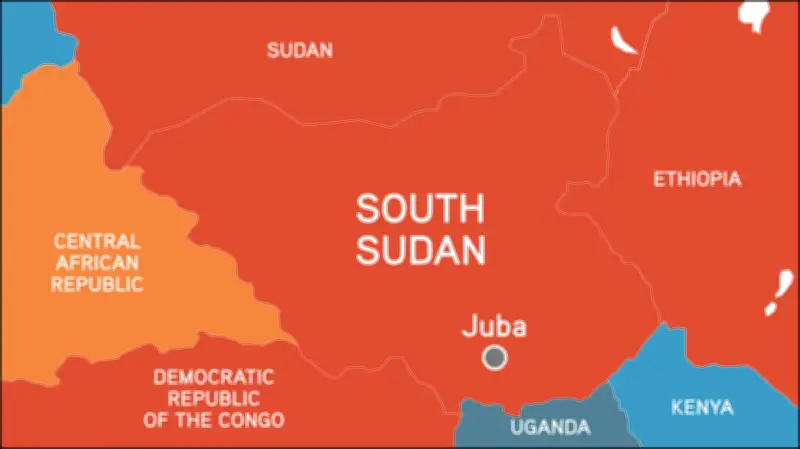
The United Nations Security Council has renewed sanctions on South Sudan for an additional 12 months, extending the mandate of the Panel of Experts and maintaining the arms embargo, travel ban, and asset freeze. The decision comes amid growing concerns over the country's deteriorating political and security situation.
US Envoy Welcomes Renewal but Expresses Disappointment
Speaking after the adoption of the resolution, United States Alternative Representative for Special Political Affairs, Ambassador Jennifer Locetta, welcomed the decision, describing it as a necessary step toward supporting peace and stability in the East African nation. Locetta said the United States also supported efforts to revise the sanctions benchmarks to better reflect current realities on the ground.
She noted that Washington looks forward to recommendations from the UN Secretary-General, in consultation with the UN Mission in South Sudan and the Panel of Experts, on how the benchmarks can be updated.
Despite the renewal of the sanctions regime, the United States envoy expressed disappointment over what she described as a lack of progress in meeting the existing benchmarks and the continued deterioration of South Sudan's political and security environment. She attributed the stalled progress to a lack of political will among South Sudanese leaders, particularly President Salva Kiir and other key political actors.
Call for Direct Dialogue and Immediate Actions
“Let’s be clear. This lack of progress is due to a lack of political will by President Kiir, as well as other South Sudanese leaders,” Locetta told the Council. The United States representative called on South Sudan’s leaders to return to direct dialogue as a means of de-escalating ongoing violence and advancing the peace process.
She questioned claims that meaningful dialogue was taking place while one of the signatories to the 2018 peace agreement remains under house arrest and is facing trial. According to her, the Security Council cannot tolerate actions that obstruct the peace process, threaten transitional agreements, or undermine South Sudan's political transition.
Locetta urged the transitional government to take immediate steps to restore peace and stability, including declaring a national ceasefire, releasing detainees, renouncing violence for political purposes, and ensuring that public revenues are used to improve the welfare of citizens.
Criticism of Governance and Resource Misuse
She further criticised the country's leadership for what she described as poor governance and the misuse of national resources, arguing that such practices have perpetuated the marginalisation that South Sudan's liberation movement once sought to end.
“For years prior to South Sudan’s independence, the Sudan People’s Liberation Movement claimed to seek the end of marginalisation of the southern Sudanese by leaders in Khartoum. Through bad governance and misuse of revenue, that marginalisation continues, imposed by South Sudan’s own leaders,” she said.