US Government Imposes Asset Freezes on Eight Nigerians Over Alleged Terrorism and Cybercrime Connections
The United States government has taken decisive action by freezing the assets and properties of eight Nigerian citizens who are accused of maintaining links to the terrorist organizations Boko Haram and the Islamic State of Iraq and the Levant (ISIL). This significant move underscores ongoing international efforts to combat terrorism and cyber threats emanating from various regions.
Comprehensive Sanctions Detailed in Extensive Documentation
The sanctions were formally outlined in a massive 3,000-page document released by the US Treasury's Office of Foreign Assets Control (OFAC). This document, known as the Specially Designated Nationals and Blocked Persons List (SDN List), serves as a critical tool for identifying individuals and entities subject to US sanctions, thereby restricting their financial activities within American jurisdiction.
According to the detailed report, some of the affected individuals have been designated specifically for their involvement in terrorism-related activities. Others face sanctions due to alleged participation in cybercrime and related security threats that pose risks to global stability and security infrastructures.
Background and Legal Framework
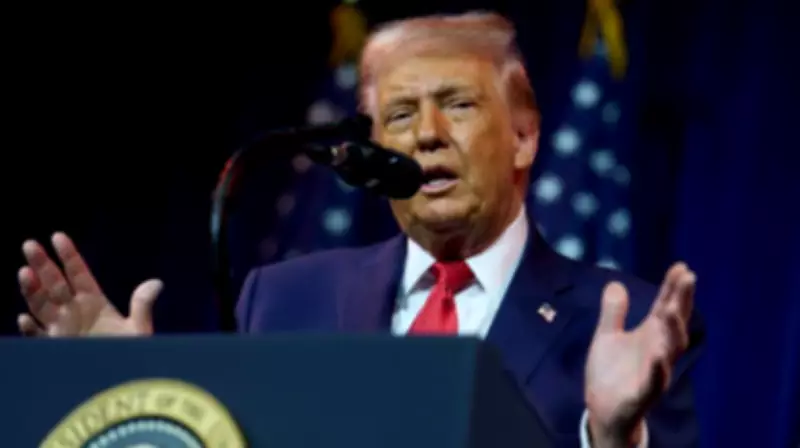
This development follows recommendations made by the US Congress, which advocated for visa bans and asset freezes on individuals and groups accused of violating religious freedom and persecuting Christians in Nigeria. In a prior action, US President Donald Trump had designated Nigeria as a Country of Particular Concern due to these religious freedom issues, highlighting the broader context of these sanctions.
Under Executive Order 13224, those listed on the SDN List are subject to asset freezes and stringent financial restrictions. This legal framework empowers the US government to block any assets belonging to these individuals within its jurisdiction and generally prohibits US persons from engaging in transactions with them.
Profiles of the Sanctioned Individuals
Salih Yusuf Adamu, also known as Salihu Yusuf, was born on August 23, 1990. He has been identified as having connections to Boko Haram and was among six Nigerians convicted in 2022 in the United Arab Emirates. Their conviction was for establishing a Boko Haram cell aimed at raising funds for insurgents operating in Nigeria. The group was found guilty of attempting to transfer $782,000 from Dubai to Nigeria to support these activities.
Babestan Oluwole Ademulero, born on March 4, 1953, has been listed under terrorism-related sanctions. He is known under multiple aliases, including Wole A. Babestan and Olatunde Irewole Shofeso, which complicates identification and tracking efforts.
Abu Abdullah ibn Umar Al-Barnawi, also referred to as Ba Idrisa, is reported to have been born between 1989 and 1994 in Maiduguri, Borno State. He has been flagged under terrorism-related sanctions, indicating his alleged role in extremist activities.
Abu Musab Al-Barnawi, known as Habib Yusuf, has been identified as a leader within Boko Haram. His listing includes varying birth years between 1990 and 1995, reflecting uncertainties in his biographical details.
Nnamdi Orson Benson, born on March 21, 1987, faces designation under CYBER2 sanctions for alleged cybercrime-related offences. He is reported to hold a Nigerian passport, linking him directly to the country amidst these international accusations.
Implications of the Sanctions
The imposition of these sanctions means that any assets belonging to the named individuals within US jurisdiction are now blocked. Furthermore, US persons are generally prohibited from conducting any transactions with these individuals, effectively cutting off their access to the American financial system and limiting their operational capabilities on a global scale.
This action by the US government not only targets specific individuals but also sends a strong message about the international community's commitment to addressing terrorism and cybercrime. It highlights the collaborative efforts between nations to uphold security and justice, particularly in regions affected by persistent conflicts and criminal activities.