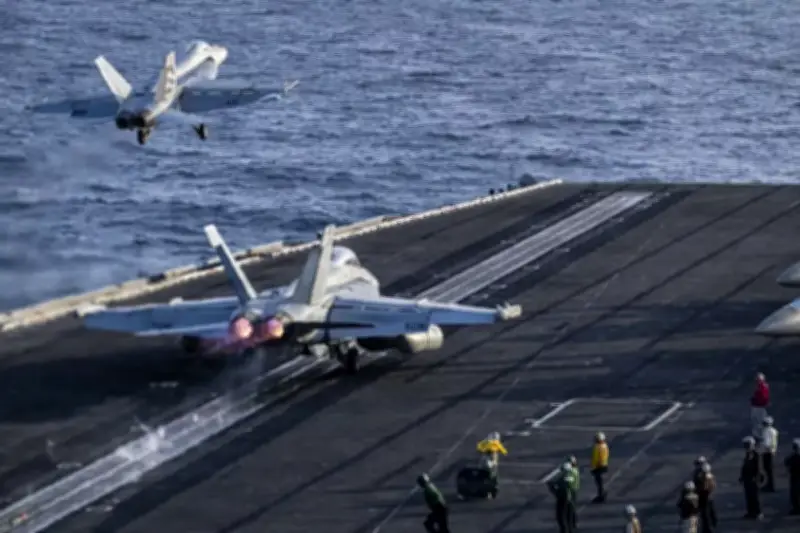
US Military Launches Direct Strikes on Iranian Territory
The U.S. military has initiated a series of strikes against Iran, U.S. Central Command announced Tuesday, stating that the operations were in direct retaliation for Iranian attacks on three commercial vessels transiting the Strait of Hormuz earlier in the day. This marks the first direct U.S. military strikes against Iranian territory since late last month, when a period of intense multi-day strikes and counterstrikes threatened to collapse a fragile 14-point memorandum of understanding.
Retaliation for Attacks on Commercial Shipping
"U.S. Central Command forces have begun launching a series of powerful strikes against Iran to impose heavy costs for targeting and attacking commercial shipping," a U.S. military statement said. "Iran’s demonstrated aggression was unwarranted, dangerous, and a clear violation of the ceasefire," it added. While American officials did not immediately specify the exact targets, Iranian state media reported that six projectiles struck the area of the Taheroui pier in Sirik, located in southern Iran.
Timing and Context of Escalation
This major military escalation comes just hours after Washington revoked a temporary sanctions waiver that had allowed Iran to export crude oil through August 21. The U.S. Treasury pulled the license following drone and projectile attacks near the coast of Oman that damaged three commercial tankers, including a Qatari liquefied natural gas carrier. Tehran has vehemently opposed an Omani proposal to create an alternate transit corridor bypassing Iranian maritime oversight, insisting on its right to levy transit fees on vessels passing through the narrow chokepoint.
Impact on Diplomatic Efforts and Regional Stability
The sudden return to open hostilities severely undermines recent indirect diplomatic talks hosted by Qatar and shatters a brief week of relative calm in the vital global energy corridor. The strikes represent a significant setback for efforts to de-escalate tensions in the region, which had seen a fragile ceasefire in place following previous rounds of strikes and counterstrikes. The U.S. military emphasized that the operations were necessary to protect commercial shipping and uphold international law in the strategically critical Strait of Hormuz, through which about 20% of the world's oil passes.