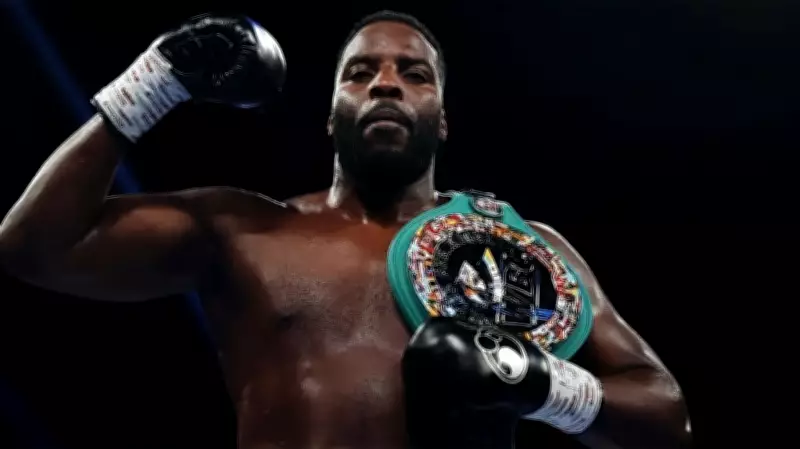
Boxer Lawrence Okolie Attributes Failed Drug Test to Bicep Injury Treatment
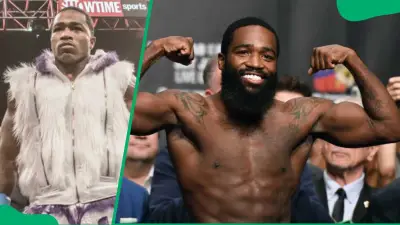
Nigerian-born British heavyweight contender Lawrence Okolie has publicly attributed his failed drug test to the medication he used to treat a bicep injury sustained last year. The two-weight world champion, with a record of 23 wins and 1 loss, including 17 knockouts, was scheduled to face Olympic gold medallist Tony Yoka in Paris, France, on Saturday, April 25, for the WBC Silver heavyweight championship. However, the bout has been canceled following an adverse finding in his Voluntary Anti-Doping Association (VADA) test.
Details of the Adverse Analytical Finding
The 33-year-old boxer, who previously held the WBO world cruiserweight title, returned an adverse analytical finding for a Human Growth Hormone in his VADA doping test. Specifically, his A-sample was flagged for GHRP 2 and its M8 metabolite, substances known to increase muscle mass, improve recovery, and encourage fat loss. This development has cast a shadow over his upcoming fight and raised questions about his eligibility and reputation in the sport.
Background on the Fighters and Matchup
Both Okolie and Yoka competed in the Rio 2016 Olympics, though with differing outcomes. Okolie was eliminated in the Round of 16 by eventual bronze medallist Erislandy Savón of Cuba, while Yoka defeated Filip Hrgović in the semifinal and Joe Joyce in the final to become France's first-ever Olympic super-heavyweight champion. Each heavyweight was riding a four-fight winning streak, making their anticipated clash a potentially close and intriguing contest that has now been derailed.
Official Statements and Reactions
Queensberry Promotions released a statement confirming the adverse finding, noting that VADA informed them of the result ahead of the Paris event. The statement read, "Last night the Voluntary Anti-Doping Association informed Queensberry that Lawrence Okolie had returned an adverse finding following an anti-doping test conducted ahead of the show in Paris on Saturday. A further update regarding the event will be made in due course."
Okolie responded on his social media accounts, explaining, "Before anyone starts imagining the worst, following my bicep injury last year, I sustained an elbow injury on the same arm during this camp. I had a treatment on it, and now we are here. I truly hope sense prevails. I will, of course, be fully cooperating with all relevant authorities, and I'm confident that the investigation will clear my name. I won't be making any further comment at this time. Thank you for all your support, and see you soon."
Efforts to Salvage the Event
Promoter Frank Warren, the 74-year-old head of Queensberry Promotions, is actively working to replace Okolie with a British opponent for Yoka. In an interview with TalkSport, Warren expressed his dissatisfaction with the situation, stating, "It is very unsatisfactory, but it is what it is, and we've got to get on with it and make sure we run a show, and that's what we are trying to do at the moment and find an opponent for Tony Yoka. I'm trying to find a British fighter to get in there." This effort aims to ensure the event proceeds despite the setback.