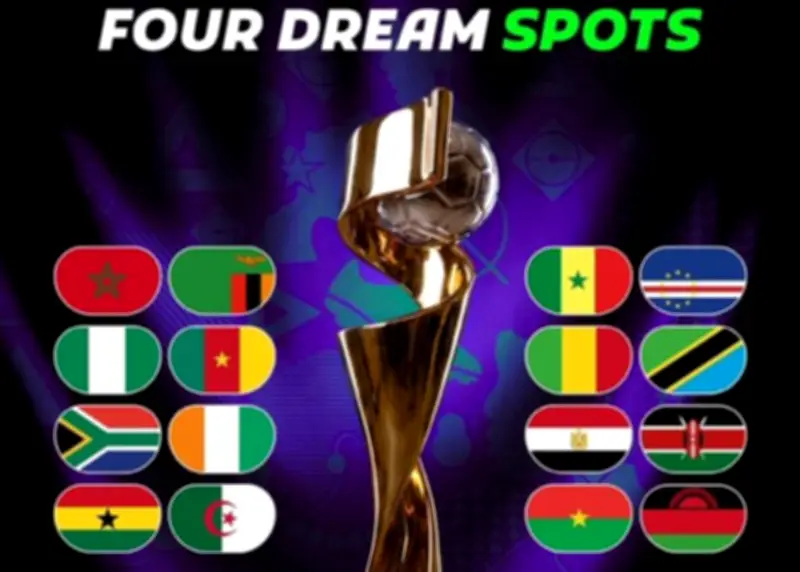
The 2026 Women's Africa Cup of Nations marks a historic expansion as 16 teams compete in Morocco from 26 July to 16 August, with automatic qualification for the 2027 FIFA Women's World Cup in Brazil and a record prize pool of $5.8 million. Defending champions Nigeria aim for an 11th title, while hosts Morocco seek their first crown after two runner-up finishes.
Tournament Expansion and Stakes
CAF enlarged the competition from 12 to 16 teams for the first time, dividing the nations into four groups of four. The top two from each group advance to the quarter-finals. Reaching the last eight not only keeps World Cup hopes alive: the four quarter-final winners qualify directly for Brazil 2027, while losing quarter-finalists enter play-offs for two additional spots via the FIFA Inter-Confederation Play-Off Tournament.
Prize money has surged by 67% from the previous edition, with champions earning $2 million – double the 2024 award. The total prize fund of $5.8 million underscores CAF's commitment to developing women's football.
Host Cities and Stadiums
Matches will be staged across Rabat and Casablanca. Rabat venues include Moulay El Hassan Stadium, Rabat Olympic Stadium, and Al Medina Stadium. Casablanca will host fixtures at Moulay Rachid Stadium and Larbi Zaouli Stadium, according to CAF.
Group A: Morocco Eye Home Glory
Morocco have reached the final in each of the last two editions, losing to South Africa in 2022 and to Nigeria in 2024 after leading 2-0. With passionate home support, the Atlas Lionesses are determined to lift their first title. Algeria, quarter-finalists in 2024 without conceding in open play, are joined by Senegal, who have reached the last eight in back-to-back tournaments, and Kenya, returning to WAFCON for the first time since 2016.
Group B: South Africa Lead Competitive Quartet
Banyana Banyana, champions in 2022, welcome back star striker Thembi Kgatlana. Côte d'Ivoire, third in 2014, make their third finals appearance. Burkina Faso return for their second WAFCON after 2022, while Tanzania aim for their first knockout stage.
Group C: Nigeria Target 11th Crown
The Super Falcons have won 10 WAFCON titles and reached at least the semi-finals in every edition since 1998. They reclaimed the trophy in 2024 by beating Morocco 3-2. Zambia, bronze medalists in 2022 and quarter-finalists in 2024, pose a strong challenge. Egypt return after a decade-long absence, and tournament debutants Malawi bring the Chawinga sisters – Tabitha and Temwa – as their attacking threat.
Group D: Ghana, Cameroon Lead Experienced Field
Ghana, three-time runners-up, seek their first title after missing the 2022 edition and winning bronze in 2024. Cameroon have reached three finals and missed only one tournament since 1998. Mali, semi-finalists in 2018, are joined by debutants Cape Verde, who secured qualification by overturning a first-leg deficit against Mali.
Star Players to Watch
Nigeria's Asisat Oshoala, a six-time African Women's Player of the Year, leads the Super Falcons. Morocco's Ghizlane Chebbak is the reigning CAF Women's Player of the Year and back-to-back WAFCON Golden Boot winner. Zambia's Barbra Banda is one of the world's most feared strikers, while Malawi's Tabitha Chawinga shines for Lyon. South Africa's Thembi Kgatlana returns after injury, and Cameroon's Gabrielle Aboudi Onguéné provides experience.
With expanded format, record prizes, and World Cup berths on the line, the 2026 WAFCON promises high drama and could reshape the landscape of African women's football.