CAF's AFCON Title Reversal: A Critical Test for African Football's Integrity
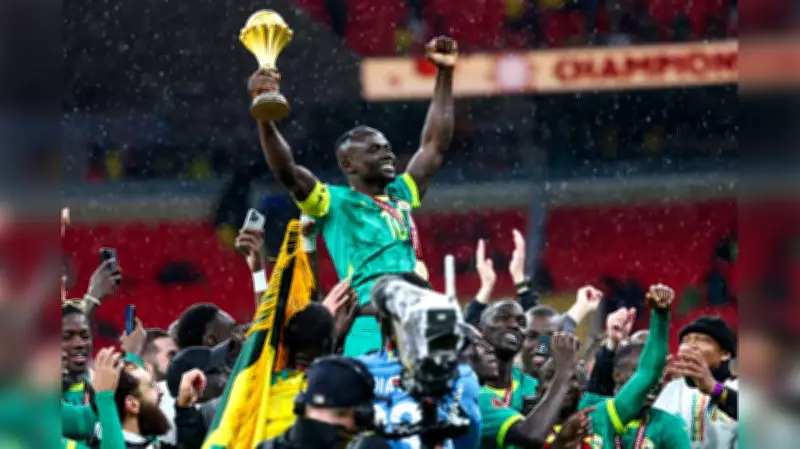
The football world was left in shock on March 17, 2026, when the Confederation of African Football (CAF) made an unprecedented decision to strip Senegal of the 2025 Africa Cup of Nations (AFCON) title it had won on the field. In a move that has sent ripples across the continent and beyond, CAF overturned the final result of Senegal 1-0 Morocco, awarding the trophy to the defeated host nation instead. This controversial ruling, based on Senegal's 17-minute walk-off protest during the final match in Rabat on January 18, 2026, has plunged African football into a deep crisis of credibility and respectability.
The Unprecedented Nature of the Decision
While debates rage among pundits, it is becoming increasingly clear that CAF may have succumbed to undue pressure, making a hasty decision that challenges the fundamental principle that a referee's decision is final. The notion that a governing body can reverse a match outcome months after the game has concluded is virtually unheard of in world football. Historically, teams have faced disqualifications for tournament violations, but awarding a trophy to a defeated finalist through what many perceive as the back door sets a dangerous precedent.
Senegal's behavior during the final, where they protested a penalty decision by walking off the pitch for 17 minutes, undoubtedly brought disrepute to the game. However, the referee, Jean-Jacques Ndala, allowed the match to restart after the protest, effectively taking the option of disqualification off the table. By the laws of the game, once play resumes and the match concludes, the result on the field should stand, with any disciplinary actions addressed separately through sanctions against individuals or teams.
Legal and Regulatory Contradictions
CAF justified its decision by citing Article 82 of its rules, which states that a team withdrawing from a match without authorization shall be considered a loser. However, this raises a critical question: does this apply when Senegal was permitted to return and complete the game? The referee's post-match report noted a stoppage, not an abandonment, and recommended sanctions for the infractions, but not the overturning of the result.
As highlighted by former Liberian President and World Footballer of the Year, George Opong Weah, match officials hold full authority during games under CAF and FIFA regulations. Law 5 of the FIFA Laws of the Game explicitly states that the referee's decisions on facts connected with play are final. This principle is upheld by all confederations globally, making CAF's reversal a direct challenge to established football governance.
Broader Implications for African Football
The controversy has exposed deeper issues within CAF, including allegations of corruption, poor governance, and perceived influence from FIFA President Gianni Infantino. By stripping Senegal of the title, CAF has not only undermined the integrity of the AFCON tournament but also risked turning African football into a global laughingstock. Notably, many Moroccan players have distanced themselves from the title, expressing a preference to win it genuinely on the pitch rather than through administrative maneuvering.
The Court of Arbitration for Sport (CAS) is now tasked with ruling on Senegal's appeal, promising a decision as swiftly as possible. How CAS navigates this thorny issue will have profound implications for the respectability of football administration in Africa and its standing in the global soccer community. A ruling in favor of CAF could erode trust in referees' authority, while overturning it might highlight governance failures within the confederation.
Conclusion: A Controversy African Football Could Have Avoided
While punishing individuals like Senegal's coach, Pape Thiaw, for bringing the game into disrepute was appropriate, taking the trophy away from the Teranga Lions has only muddied the waters. This controversy serves as a stark reminder of the need for transparent and consistent governance in African football. As the world awaits CAS's verdict, one thing is clear: this is a test that African football could have done without, and its resolution will shape the continent's sporting legacy for years to come.