Former Manchester City Star Questions AFCON's Status as Major Tournament
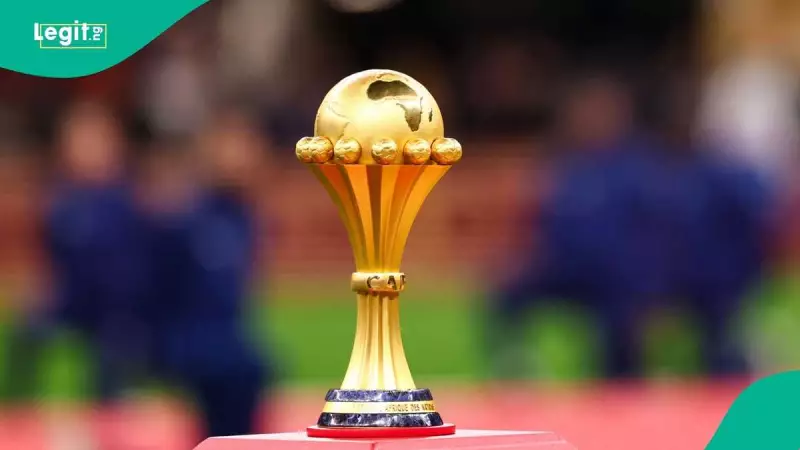
A former Manchester City midfielder has stirred significant debate in the football world by publicly questioning whether the Africa Cup of Nations should be classified as a major international tournament. Joey Barton, who also played for Queens Park Rangers and managed Bristol Rovers, made these controversial remarks following the conclusion of the 2025 AFCON tournament hosted by Morocco.
Controversial Final and Match Incidents Fuel Criticism
The 2025 Africa Cup of Nations concluded with Senegal defeating host nation Morocco 1-0 in a final that was marred by significant controversy. The match saw an 18-minute delay after referee Jean-Jacques Ndala awarded Morocco a penalty in the 97th minute for a foul by El Hadji Malick Diouf on Real Madrid star Brahim Díaz. This decision prompted protests from Senegalese players and attempts by fans to invade the pitch at the Prince Moulay Abdellah Stadium in Rabat.
Barton specifically referenced this prolonged delay in his criticism, describing the confrontation between Senegalese supporters and security personnel as resembling "war." He further accused the Confederation of African Football (CAF) of showing bias toward the host nation throughout the competition.
Additional matches came under scrutiny during the tournament, including the quarterfinal clash between Nigeria and Algeria where officials failed to award a penalty for a handball incident against the Super Eagles. These controversies have prompted CAF to launch investigations into several match incidents.
Barton's Direct Comments on Tournament Status
In a viral video shared on social media platform X, the 43-year-old former England international made his position clear regarding AFCON's standing among global football competitions. "We now know it's not a major tournament," Barton stated emphatically. "Do not be getting your knickers in a twist again if any of those white northern Europeans come out and say it's a farce of a competition cause we just had a 20-minute delay."
Barton expanded on his criticism by alleging systemic issues within the tournament organization. "We almost had a war in the stadium. We had a corrupt system where the games were getting leaned towards the host nation," he claimed. The former midfielder also referenced an incident where Moroccan ball boys allegedly chased Senegal goalkeeper Edouard Mendy during the final.
Mixed Reactions from Football Community
The football community has responded with mixed reactions to Barton's comments about Africa's premier international football competition. Some social media users defended AFCON's status and quality. One user commented, "Let everyone say whatever they can say, AFCON is a great tournament and it can only get better."
Another response highlighted African players' achievements, noting, "Sadio Mane has won more Afcons than you have caps for England mate, get a grip of yourself." A third perspective offered balance, stating, "It's unfair to characterise AFCON like that. Every major tournament has its ups and downs. Even in the Premier League, with all its resources, Black players are more likely to get booked than white players."
Broader Context of International Tournament Recognition
This debate about AFCON's status comes amid broader discussions about how international tournaments influence player recognition. Liverpool legend Jamie Carragher recently noted that the lack of major international tournament success could hinder African players like Mohamed Salah from winning individual awards such as the Ballon d'Or. Carragher emphasized that performances in competitions like the Champions League or World Cup often significantly impact Ballon d'Or voting.
The 2025 tournament marked Senegal's second AFCON victory in five years, with the Teranga Lions successfully defending their continental title. Despite the controversies, the competition showcased exceptional talent from across the African continent and demonstrated the passionate support that characterizes African football.
As discussions continue about tournament organization, officiating standards, and continental representation in global football, Barton's comments have reignited conversations about how different football competitions are perceived and valued within the international sporting community.