Alex Iwobi Opens Up on England vs Nigeria Football Experiences
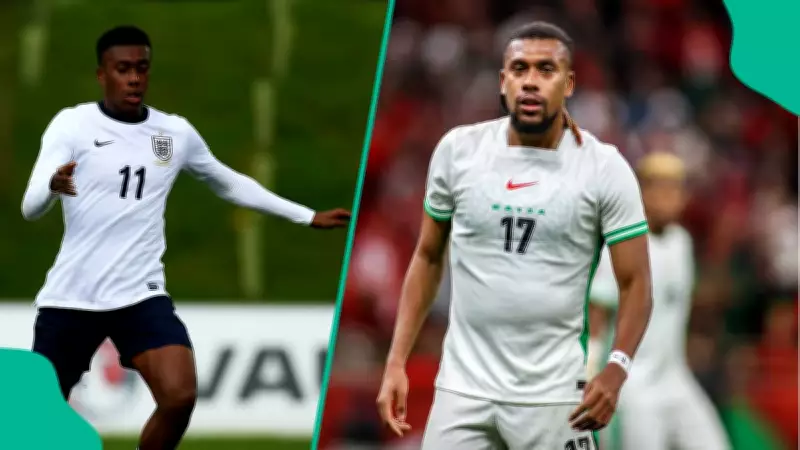
Super Eagles midfielder Alex Iwobi has provided a candid comparison between his experiences playing for the England youth teams and the Nigerian senior national team, highlighting significant differences in discipline, culture, and logistics.
From England Youth to Nigeria Senior Team
Born in Nigeria, Iwobi moved to England as a child and was raised in London, where he developed his skills at Arsenal's renowned Hale End academy. He represented England at the U16, U17, and U18 levels, making 11 appearances across these age groups. However, in 2015, he switched his international allegiance to Nigeria, making his Super Eagles debut on October 8, 2015, just weeks before his professional debut for Arsenal.
Since then, Iwobi has earned over 90 caps for Nigeria, participating in major tournaments such as the Africa Cup of Nations (AFCON) and the FIFA World Cup. He is now close to reaching the milestone of 100 caps, showcasing his enduring commitment to the Nigerian team.
Strict Regimes in England Versus Cultural Nuances in Nigeria
In an interview on the High Performance Podcast, Iwobi explained the stark contrasts between the two footballing environments. "Playing for England and playing for Nigeria are two very different things," he stated. "In England, things are stricter. Whenever you're at St George's, or you're at the hotel, no one's allowed to come in. The schedule was strict, alongside the food and the sleep regime."
In contrast, Iwobi noted that playing for Nigeria involves navigating cultural sensitivities and logistical challenges. "In Nigeria now, I have to watch what I say," he admitted, referencing an incident where he faced backlash for sharing a video of the hotel surroundings during the Super Eagles' stay in Morocco for a 2026 FIFA World Cup playoff. The video sparked media outrage, forcing Iwobi to clarify that his intentions were harmless and that the post was misinterpreted.
Logistical Hurdles and Family Influence
Iwobi lamented the logistical issues often encountered with the Nigerian team, particularly concerning travel and accommodation. He also mentioned difficulties such as poor pitches and strict coaches who emphasize discipline and punishment for mistakes. Despite these challenges, Iwobi expressed no regrets about his decision to play for Nigeria, attributing it to his upbringing in a Nigerian household and the influence of his family.
"I have no regrets. I do love England, but I think because I grew up in a Nigerian household, it's always been a part of me," he concluded. His father and uncle, former Nigerian football star Austin Jay-Jay Okocha, played key roles in convincing him to represent Nigeria, highlighting the personal and cultural connections that guided his choice.
Broader Context of Nigerian Diaspora Players
Iwobi's story mirrors that of other Nigerian diaspora players, such as Bright Osayi-Samuel, who also chose to represent Nigeria despite opportunities with England. Osayi-Samuel, born in Nigeria and raised in England, opted for the Super Eagles without prior youth representation for England, underscoring a trend of players embracing their heritage on the international stage.
This insight into Iwobi's journey sheds light on the complexities faced by athletes navigating dual national identities, from rigorous professional environments to heartfelt cultural ties, ultimately enriching the global football landscape.