Manchester United Star Matheus Cunha Under FA Investigation for Goal Celebration
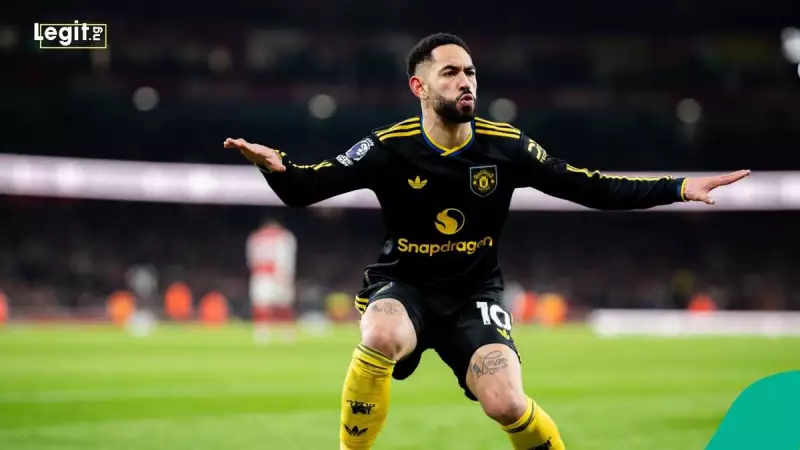
Brazilian international Matheus Cunha, who scored the dramatic late winner for Manchester United against Arsenal, now faces potential disciplinary action from the Football Association. The 26-year-old forward's celebration following his crucial goal has sparked controversy and could result in a suspension.
Match Recap: United's Dramatic Victory Over Arsenal
The Premier League clash at Emirates Stadium on Sunday, January 25, proved to be a thrilling encounter with significant implications for both teams. Arsenal initially took the lead in the 29th minute through an unfortunate own goal by Manchester United defender Lisandro Martínez. The Red Devils responded with an equalizer from Cameroonian winger Bryan Mbeumo, setting the stage for a tense battle.
Manchester United surged ahead early in the second half when Patrick Dorgu unleashed a superb left-footed strike just five minutes after the restart. However, Arsenal demonstrated their resilience when Spanish midfielder Mikel Merino restored parity in the 84th minute, seemingly securing a draw for the Gunners.
The match took its final dramatic turn in the 87th minute when Matheus Cunha fired home a powerful effort to seal a 3-2 victory for Manchester United. This crucial win propelled the Red Devils up to fourth place in the Premier League standings under interim manager Michael Carrick.
Controversial Celebration Sparks FA Investigation
Following his match-winning goal, Matheus Cunha's celebration has become the center of attention for football authorities. According to reports from the Manchester Evening News, the former Wolverhampton Wanderers forward was captured on camera grabbing the lens and appearing to shout explicit language directly into it.
Under Football Association regulations, players can face punishment for using offensive, insulting, or abusive language during matches. The rules explicitly state that even if match officials do not hear the remarks, the FA may take action if the incident is captured on camera and widely broadcast to the public.
The FA reportedly considers swearing directly into a camera lens as a clear and deliberate act of misconduct that brings the game into disrepute. This interpretation of the rules could result in significant consequences for the Brazilian forward.
Historical Precedent and Immediate Fallout
The incident immediately drew comparisons to a similar case involving former Manchester United striker Wayne Rooney. In 2011, Rooney received a two-match ban after being caught swearing into a television camera following a goal against West Ham at Upton Park. The England international was charged with using offensive, insulting, and abusive language, despite his immediate apology.
Following Cunha's celebration, Sky Sports commentator Peter Drury issued an immediate on-air apology to viewers. "If you heard some bad language in among the celebrations, for that we apologise," Drury stated via SportBible, acknowledging the broadcast of potentially offensive content.
League Implications and Future Fixtures
Manchester United's victory ended Arsenal's impressive 13-match unbeaten run across all competitions, which had begun after their loss to Aston Villa in December 2025. Despite this setback, Arsenal maintain their position at the top of the Premier League table, remaining four points clear of both Manchester City and Aston Villa, who are tied on 46 points.
Should Cunha receive a two-match suspension as anticipated, he would miss important fixtures for Manchester United, including their upcoming match against Fulham at Old Trafford next weekend. This potential absence could significantly impact United's push for Champions League qualification.
The incident highlights the increasing scrutiny of player behavior in the modern football era, where cameras capture every moment and celebrations are broadcast to millions of viewers worldwide. As the FA considers its response, the football community awaits the official decision regarding Cunha's controversial celebration.