NFF to Challenge FIFA Decision on DR Congo Player Eligibility
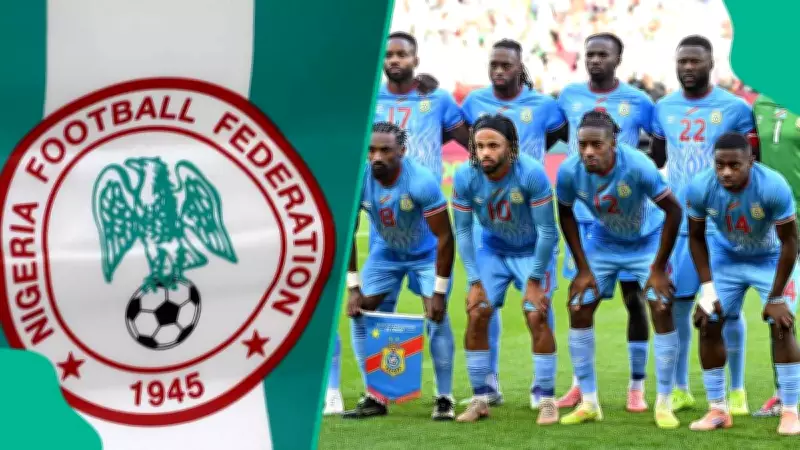
The Nigeria Football Federation (NFF) has confirmed that it will appeal a decision by the FIFA Disciplinary Committee regarding a petition against the Democratic Republic of Congo (DR Congo) over player eligibility issues in the 2026 FIFA World Cup playoffs. This move comes after FIFA rejected the NFF's petition, which was based on allegations of fraud in the issuance of passports for DR Congo players.
FIFA's Response and NFF's Immediate Action
On Monday, March 17, 2026, the NFF received the decision from the FIFA Disciplinary Committee, which dismissed the petition. In response, the NFF has vowed to challenge this outcome, with officials stating that the process of appealing has already begun. A spokesperson for the NFF assured Nigerians of their commitment to pursuing the matter, emphasizing dissatisfaction with the initial ruling.
Background of the Petition
The NFF submitted the petition to FIFA shortly after a playoff match between Nigeria and DR Congo, played on November 16, 2025. The petition alleged that several DR Congo players were ineligible due to fraudulent passport documentation, which qualified them for the playoffs. This controversy has added to the tensions surrounding the 2026 World Cup intercontinental playoff, scheduled to take place in Mexico from March 27 to 31, 2026.
FIFA Sanctions on Both Associations
In related developments, FIFA has sanctioned both the DR Congo Football Association and the Nigeria Football Federation for separate offences during the November 2025 playoff clash. The disciplinary committee found both associations guilty, though specific details of the sanctions were not fully disclosed in the initial reports. This adds another layer to the ongoing disputes between the two nations in football governance.
The NFF's appeal is expected to be a significant step in addressing what they perceive as unfair practices, with further updates anticipated as the situation develops. The outcome could impact the playoff proceedings and set precedents for future eligibility disputes in international football.