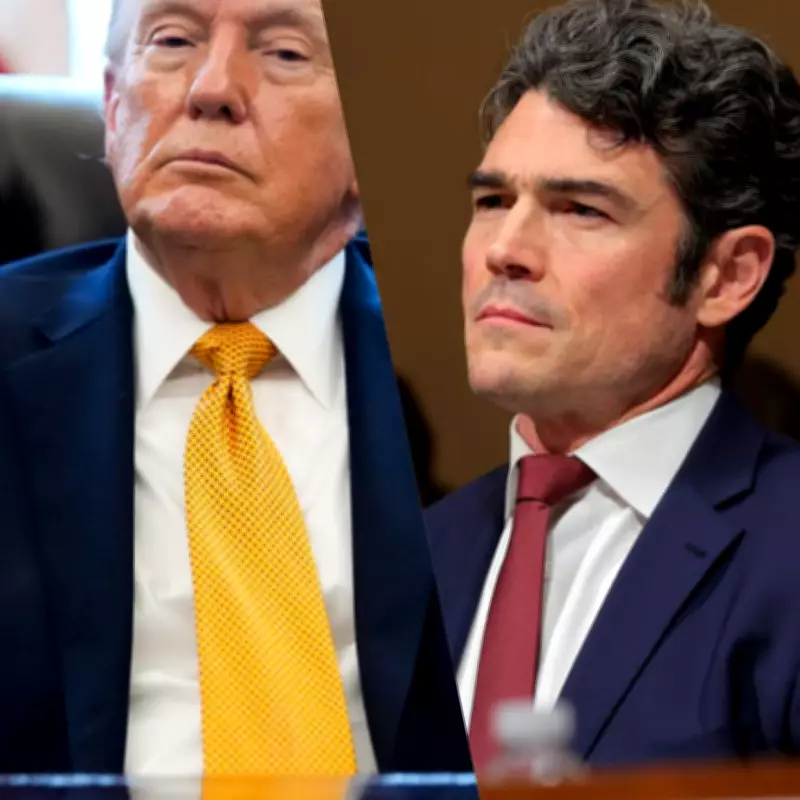
Trump Dismisses Counterterror Chief's Resignation Over Iran War Claims
Joe Kent, the outgoing director of the U.S. National Counterterrorism Center, has resigned in protest over the Trump administration's military action against Iran, prompting a sharp and dismissive response from former President Donald Trump. Kent announced his resignation, stating he could not support a war he believes lacked proper justification and argued that Iran posed no immediate threat to the United States.
Trump's Blunt Response to Resignation
Responding to the resignation at the White House, Trump did not hold back in his criticism. He described Kent as "weak on security" and made it clear there was no place in his administration for officials who questioned the threat posed by Iran. "They're not smart people, or they're not savvy people," Trump said. "Iran was a tremendous threat." This exchange highlights the deepening rift within the administration over foreign policy decisions.
Background and Implications of Kent's Departure
Kent, who was confirmed to the role last year, had been responsible for overseeing intelligence efforts to detect and prevent terrorist threats. His departure underscores growing internal divisions within Trump's administration and political base regarding the justification for the Iran campaign. The resignation comes at a tense moment, with rising fears about domestic security following recent violent incidents in multiple U.S. states.
Political Reactions and Intelligence Scrutiny
While some lawmakers, including Mark Warner, backed Kent's concerns and questioned the intelligence behind the war, Republican leaders such as Mike Johnson defended the president's decision, insisting there was credible evidence of an imminent threat. Top intelligence officials are expected to face tough questions from lawmakers over the Iran war and the intelligence used to justify it, further intensifying the political debate.
This incident not only reveals the contentious nature of U.S. foreign policy under Trump but also raises questions about the alignment of intelligence assessments with administrative actions. The fallout from Kent's resignation may influence future appointments and policy discussions on national security matters.