Nigeria's football authorities have narrowly avoided a potential suspension from FIFA, even as they lead a charge to disqualify the Democratic Republic of Congo from the 2026 World Cup qualifiers. The complex situation stems from a dispute over players with dual nationality, highlighting a significant clash between national laws and international football regulations.
The NFF's Formal Protest Against DR Congo
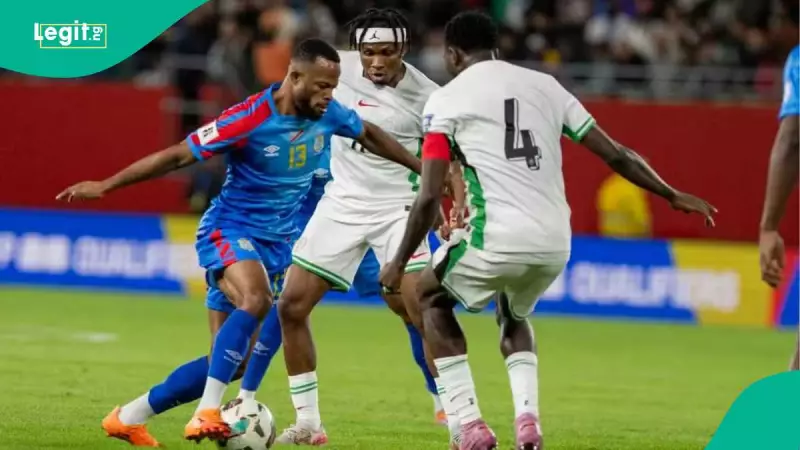
Following a penalty shootout defeat in a crucial World Cup qualifying playoff, the Nigeria Football Federation (NFF) took its fight off the pitch. On December 20, 2025, the NFF lodged a formal protest with FIFA's disciplinary committee, challenging the eligibility of several DR Congo players.
The core of Nigeria's argument rests on Congolese national law, which prohibits its citizens from holding multiple passports. The NFF alleges that at least six players in the DR Congo squad that faced the Super Eagles possess dual nationality, retaining European passports from countries like France and the Netherlands without having renounced them as required by Congolese statute.
NFF General Secretary, Mohammed Sanusi, confirmed the petition, pointing to the divergence between FIFA's rules and a nation's own citizenship laws. FIFA's regulations state a player is eligible if they hold a passport for the country they represent, but the global body does not enforce compliance with local legal requirements.
How Nigeria Itself Escaped FIFA Sanctions
Ironically, while pressing its case against DR Congo, Nigeria's own history provides a clear example of why it is not facing a ban. A scout who worked with former Super Eagles coach Gernot Rohr explained the precedent to OwnGoalNigeria.com.
The scout cited specific cases where Nigeria missed out on talent due to similar nationality conflicts. Kingsley Ehizibue was unable to accept a Super Eagles invitation because Dutch citizenship laws restricted him from obtaining another nationality. Similarly, goalkeeper Tobias Lawal could not secure a Nigerian passport due to Austrian laws forbidding dual citizenship.
"This is a straightforward case if you ask me because you have to first and foremost be a bonafide citizen of a country before you are eligible to play for a country according to FIFA," the scout stated. "It's clear that you must meet all the national laws for that to happen." By adhering to these principles in the past, Nigeria insulated itself from the same allegations it now levels at DR Congo.
Reactions and Potential Consequences
The Congolese Football Federation (Fecofa) has fiercely rejected Nigeria's claims. In a sharp social media post, Fecofa admonished, "If you cannot win on the pitch, do not try to win from the back door. The World Cup must be played with dignity and confidence, not with lawyers' tricks."
The stakes are monumental. If FIFA's disciplinary review finds DR Congo guilty of fielding ineligible players, the consequences could be severe. DR Congo faces removal from the 2026 World Cup qualification race, with Nigeria potentially reinstated to take their place in the next round.
National Sports Commission chairman, Shehu Dikko, revealed that Nigerian authorities discovered the potential infringement after investigating the nationality switch processes of the DR Congo players. The petition is now under active review by FIFA, leaving the fate of both nations' World Cup dreams hanging in the balance.
This controversy underscores an ongoing challenge in African football, where many national teams rely on diaspora players developed in European leagues, sometimes creating friction between the players' legal status and the sporting regulations that govern their eligibility.