Senegal and DR Congo Face Potential FIFA Sanctions Amid World Cup Qualification Concerns
Football authorities are currently scrutinizing two prominent African nations as Senegal and the Democratic Republic of Congo face possible disqualification from major international tournaments. These developments come as six countries have previously been disqualified from significant football competitions throughout history, highlighting the serious consequences that can follow rule violations in the sport.
Senegal's AFCON Victory Overshadowed by Controversial Walk-Off Incident
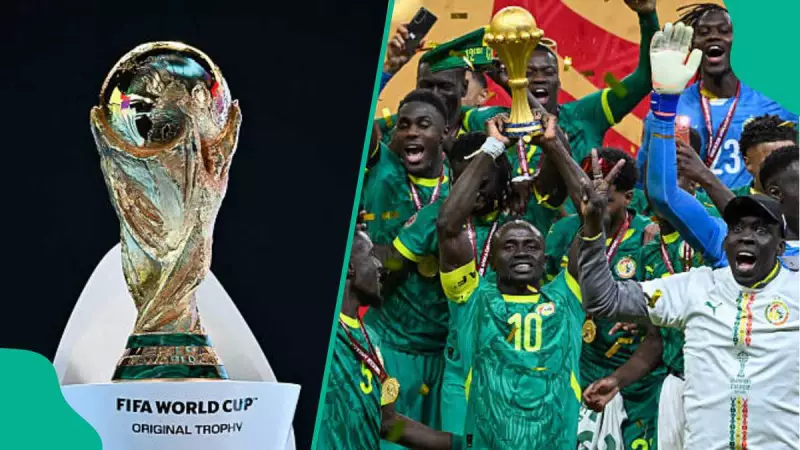
Senegal's Africa Cup of Nations triumph in January 2026, which should have been a moment of national celebration, has instead become mired in controversy following a dramatic incident during the final match against Morocco. According to reports from BBC Sport, the Teranga Lions walked off the pitch in protest during the tense goalless final when a controversial penalty was awarded to the host nation.
The match experienced a nearly twenty-minute delay before play eventually resumed, though Moroccan player Brahim Diaz ultimately missed the penalty kick. This unprecedented protest has raised significant disciplinary questions within football governing bodies, with FIFA now considering potential sanctions against Senegal that could range from substantial fines to a complete ban from the 2026 World Cup. Some football analysts have even suggested the possibility that Senegal's AFCON title could be revoked if authorities determine their actions constituted a severe breach of competition rules.
DR Congo's World Cup Qualification Challenged by Nigeria's Petition
Meanwhile, the Democratic Republic of Congo faces its own qualification crisis following a formal petition submitted by the Nigeria Football Federation to FIFA. The controversy stems from a contentious 2026 World Cup playoff match that took place in Rabat during November 2025, where Nigeria has accused DR Congo of fielding ineligible players throughout the qualification process.
ESPN reports indicate that FIFA is expected to deliver its ruling on this matter next month, with the potential outcome carrying significant implications for Africa's World Cup qualification picture. Should FIFA rule in Nigeria's favor, DR Congo could face complete disqualification from the ongoing qualification process, which would dramatically alter the competitive landscape for African nations seeking to participate in the 2026 tournament.
Historical Precedents: Six Nations Previously Disqualified from Major Tournaments
Football history demonstrates that disqualifications from major tournaments, while relatively rare, have occurred with notable consequences for several prominent footballing nations:
- Chile (World Cup 1994) - The South American nation received a ban after goalkeeper Roberto Rojas notoriously faked an injury during a crucial 1990 World Cup qualifier, creating one of football's most infamous scandals.
- Germany (World Cup 1950) - Following World War II, Germany was barred from international football competition and consequently missed the 1950 tournament.
- Japan (World Cup 1950) - Similar to Germany, Japan faced exclusion from the 1950 World Cup due to post-war sanctions imposed on Axis nations.
- Nigeria (International Football, 2014) - The Super Eagles experienced a brief nine-day FIFA ban resulting from government interference in football administration matters.
- Russia (FIFA & UEFA Competitions, 2022-Present) - Russia remains suspended from international football competitions following the invasion of Ukraine, with no clear timeline for reinstatement.
- South Africa (1961-1992) - The nation endured a thirty-one-year ban from international football as a consequence of apartheid policies, representing one of the longest sports suspensions in history.
Implications for African Football and Upcoming FIFA Decisions
As FIFA prepares to deliver its verdicts on both the Senegal and DR Congo cases, football communities across Africa await these decisions with considerable anxiety. The potential sanctions carry profound implications not only for the affected nations but also for the broader competitive structure of African football.
These developments occur against the backdrop of increasing scrutiny regarding how football governing bodies enforce regulations and maintain competitive integrity. The historical precedents established by previous disqualifications suggest that while such outcomes remain uncommon, they represent a very real possibility when significant rule violations occur.
The coming weeks will prove crucial for both Senegal and DR Congo as they navigate these disciplinary challenges while attempting to maintain their positions in World Cup qualification processes. Football authorities face the difficult task of balancing appropriate disciplinary measures with considerations of competitive fairness and the broader interests of the sport across the African continent.