Senegal's AFCON Victory Overshadowed by Potential CAF Sanctions
While Senegal continues to celebrate their dramatic Africa Cup of Nations triumph, the Confederation of African Football's disciplinary committee is reviewing the chaotic scenes that marred the final moments of regulation time. The newly crowned champions now face the real possibility of significant sanctions following their controversial walk-off protest during the championship match against Morocco.
The Controversial Incident That Sparked the Crisis
The tension reached its peak during the frantic closing minutes of normal time in the AFCON 2025 final. Referee Jean-Jacques Ndala first disallowed what appeared to be a legitimate Senegal goal scored by Ismaïla Sarr, citing a questionable foul on Moroccan defender Achraf Hakimi. Crucially, this pivotal decision was not subjected to VAR review, raising immediate concerns among the Senegalese technical staff.
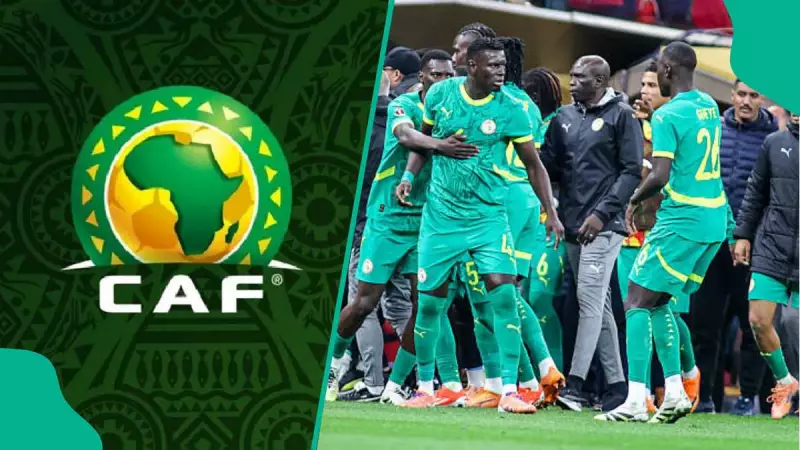
Moments later, the situation escalated dramatically when Ndala was advised to consult the pitch-side monitor regarding a challenge involving Brahim Diaz and El Hadji Malick Diouf. After reviewing the footage, the referee awarded a penalty to Morocco, a decision that ignited fury on the Senegal bench. Coach Pape Thiaw responded by instructing his entire team to temporarily leave the field in protest, plunging the continental showcase final into unprecedented disorder.
Potential Consequences and Precedents for Disciplinary Action
The Confederation of African Football has already issued a strong condemnation of the conduct witnessed during the championship match. Under CAF competition regulations, leaving the pitch without proper authorization can be interpreted as serious misconduct or even match abandonment, depending on the specific circumstances surrounding the incident.
This exposes Senegal to several potential consequences:
- Substantial financial penalties that could impact the federation's operations
- Possible suspensions for individuals directly involved in organizing the protest
- Coach Pape Thiaw facing particular scrutiny for his role in directing the walk-off
CAF has demonstrated its willingness to impose strict disciplinary measures throughout the tournament. Earlier in the competition, Algeria received heavy fines for crowd disturbances and post-match incidents, establishing a clear precedent for the governing body's zero-tolerance approach toward behavior that disrupts matches.
Senegal's Legal Strategy and Prepared Defense
The Senegalese Football Federation has moved swiftly to prepare their response to the impending disciplinary proceedings. According to federation official Abdoulaye Fall, Senegal had formally raised concerns about the match officiating even before the championship match began, submitting correspondence to FIFA during the game itself.
The FSF's defense centers on several key arguments:
- The protest resulted from what they describe as "a succession of critical refereeing errors" that compromised match integrity
- The team demonstrated respect for competition rules by voluntarily returning to complete the match
- The walk-off represented a temporary protest rather than an attempt to abandon the championship
Senegal plans to present detailed factual arguments to CAF's disciplinary committee, expressing confidence in their legal position. Should initial sanctions be imposed, the federation is prepared to exhaust all available appeal mechanisms within CAF's judicial structure.
Potential Escalation to International Sports Arbitration
In what could become a landmark case for African football governance, the Senegalese Football Federation has confirmed their readiness to escalate the matter to the Court of Arbitration for Sport in Lausanne if necessary. This represents the highest level of sports arbitration available, with potential further appeals to Switzerland's federal court system.
Despite their firm legal stance, Senegal is reportedly considering a strategic approach that includes sending a formal letter of apology to CAF. This would acknowledge the emotional nature of coach Pape Thiaw's reaction while simultaneously defending the substantive reasons behind their protest against what they perceive as questionable officiating decisions.
The situation remains fluid as both CAF's disciplinary committee and Senegal's legal team prepare their respective cases. The outcome will establish important precedents for how African football's governing body handles team protests and maintains match discipline during high-stakes continental competitions.