Senegal's AFCON Champion Pape Gueye Addresses Final Walk-Off Incident
Senegal midfielder Pape Gueye has opened up about his team's controversial walk-off during the Africa Cup of Nations final against Morocco, describing it as a human error that was swiftly corrected. In an interview on French television on Sunday, January 25, Gueye reflected on the tense and dramatic match that saw Senegal defeat Morocco 1–0 after extra time in Rabat.
The Walk-Off and Its Aftermath
The 26-year-old goal hero explained that Senegal's players briefly left the pitch in protest after Morocco was awarded a late penalty in regulation time. This decision caused a delay of approximately 20 minutes, adding to the high-stakes atmosphere of the final. Gueye emphasized the human aspect of the incident, stating, "We are only human, we realised our mistake and came back out. Anyone can make a mistake."
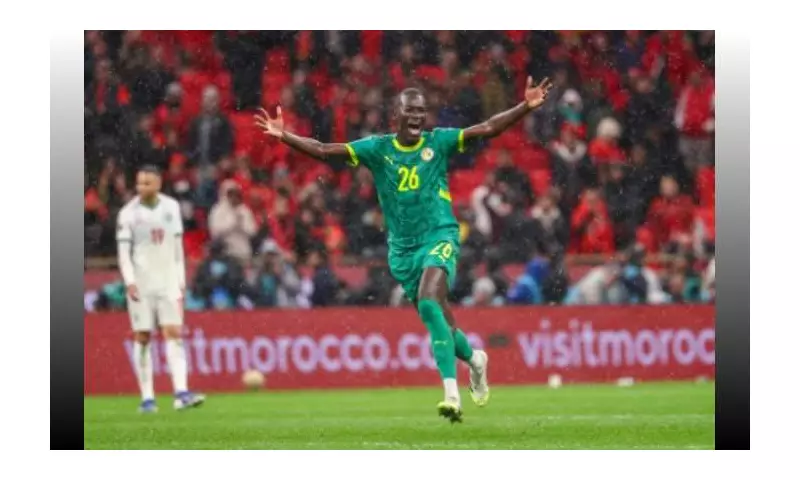
Upon returning to the field, Morocco's Brahim Diaz failed to convert the penalty, missing a crucial opportunity. Gueye then scored the decisive goal in extra time, securing Senegal's victory and cementing his status as a national hero. He expressed surprise at Diaz's choice to attempt a Panenka-style penalty in such a critical moment, noting, "It was daring, and I would not have risked that myself."
Leadership and Tensions on the Pitch
Gueye praised Senegal captain Sadio Mane for his pivotal role in defusing the situation. Mane remained on the pitch during the standoff and urged his teammates to return so the match could continue. Gueye highlighted Mane's importance to the team, saying, "He found the right thing to say at the right moment, and it shows just how important he is to us. We owe him a big thank you."
The tension had been building earlier in the match when Senegal had a goal disallowed for what many viewed as a soft foul, further fueling frustrations among the players. This incident contributed to the volatile environment that led to the walk-off.
Official Reviews and Broader Implications
In the aftermath of the final, the Moroccan Football Federation formally referred both Senegal's walk-off and the behavior of some supporters to the Confederation of African Football (CAF) and FIFA for review. This move underscores the ongoing scrutiny of the match's controversial elements and could have implications for future tournament regulations.
Gueye's comments shed light on the emotional and psychological dynamics of elite sports, where split-second decisions can define outcomes. His acknowledgment of human fallibility, combined with praise for team unity and leadership, offers a nuanced perspective on one of African football's most memorable finals.