FIFA's 2030 World Cup Preparations Hit by Spanish Stadium Withdrawal
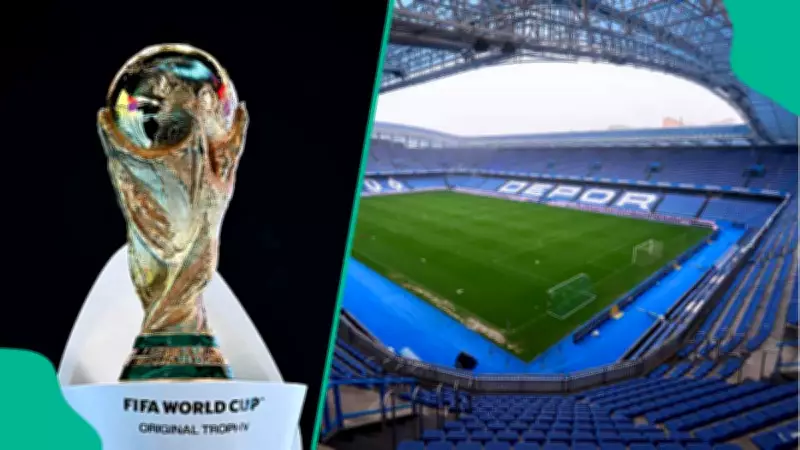
FIFA has encountered a substantial disruption in its planning for the 2030 FIFA World Cup following the official withdrawal of a designated host stadium in Spain. The Riazor Stadium, home to Deportivo de La Coruna, has pulled out from staging matches for the historic tournament, citing financial constraints and an inability to meet FIFA's stringent capacity requirements.
Stadium Capacity Falls Short of FIFA Standards
The primary reason behind this withdrawal centers on FIFA's strict regulations for World Cup venues. All stadiums must possess a minimum seating capacity of 40,000 spectators to qualify for hosting matches. The Riazor Stadium, with its current capacity of just over 32,000 seats, fails to meet this essential benchmark. Although there were preliminary discussions about expanding the stadium to approximately 48,000 seats, such ambitious plans would have demanded a considerable financial investment.
Despite its rich football heritage, including hosting matches during the 1982 FIFA World Cup and several Spanish international fixtures, the stadium could not satisfy modern hosting prerequisites without undergoing extensive and costly redevelopment. This historical venue, which has hosted six international matches involving Spain, most recently in 2009, now faces exclusion from the global tournament due to these infrastructural limitations.
Financial Sustainability Takes Priority Over Prestige
The decision to withdraw was not made lightly, as local authorities and club officials carefully balanced the prestige of hosting World Cup matches against pressing financial realities. In a joint statement, Deportivo de La Coruna, the A Coruna City Council, and the Provincial Council affirmed their commitment to modernizing the stadium but emphasized that this could not compromise the club's long-term financial sustainability.
Mayor Inés Rey articulated this position clearly, stating that while hosting World Cup matches would have been a desirable achievement, it could not come "at any price." The club had previously indicated its priorities, focusing on team development and financial stability rather than committing to expensive infrastructure upgrades. This withdrawal reflects a broader trend where financial prudence is increasingly prioritized over the allure of hosting major international events.
Impact on 2030 World Cup Hosting Arrangements
The 2030 World Cup is poised to be one of the most unique tournaments in football history, with matches distributed across six countries. While Uruguay, Argentina, and Paraguay are expected to host symbolic opening matches to commemorate FIFA's centenary, the majority of the tournament will take place in Spain, Portugal, and Morocco.
Spain had initially selected ten stadiums as part of its hosting strategy, meaning the withdrawal of Riazor Stadium now creates a vacancy that FIFA and local organizers must urgently address. This development may reignite debates among Spanish cities, as locations like Valencia and Vigo had previously expressed disappointment at being overlooked for hosting opportunities. The gap left by Riazor's exit presents both a challenge and a potential opportunity for reconsideration of venue allocations.
Broader Context and Future Implications
This setback occurs amid broader preparations for a tournament that spans multiple continents, highlighting the complexities of organizing such a large-scale event. The withdrawal underscores the importance of aligning stadium capabilities with FIFA's evolving standards and the financial viability of host cities. As FIFA continues its preparations, the organization may need to reassess venue requirements or seek alternative solutions to ensure the tournament's success.
The decision by Riazor Stadium authorities serves as a reminder that while hosting the World Cup offers significant prestige, it must be balanced against practical considerations of capacity, cost, and long-term sustainability. This development will likely influence future bidding processes and stadium selection criteria for international football tournaments.