For Nigeria, the Africa Cup of Nations is never just another football tournament. As the 2025 edition kicks off this weekend in Morocco, the Super Eagles carry a nation's weight of expectation, a rich history, and a deep-seated need for redemption that makes every match feel intensely personal.
The Weight of History and Unmet Expectations
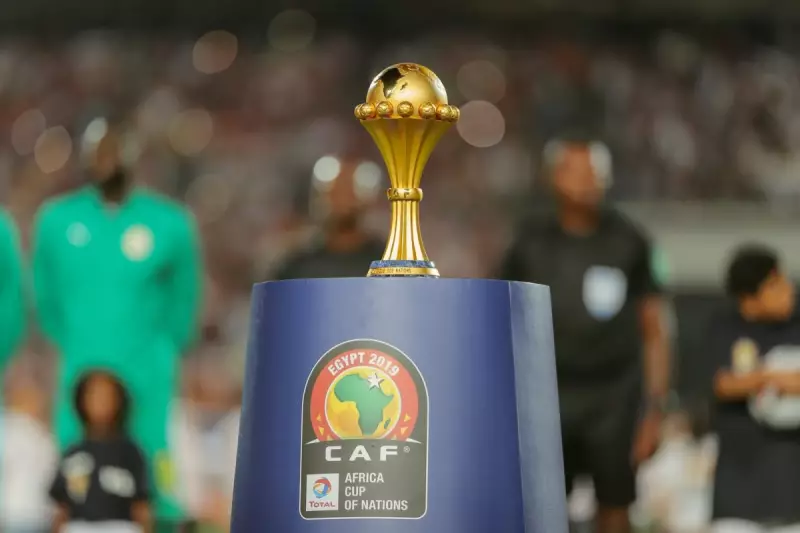
The pressure on the Nigerian team is rooted in a prestigious but demanding legacy. The Super Eagles are three-time AFCON champions, having lifted the trophy in 1980, 1994, and 2013. However, the decade since their last triumph has been marked by near-misses and frustration.
Despite remaining a continental powerhouse and reaching the final as recently as 2023, the ultimate prize has remained elusive. This gap between the expectation to win and the actual outcomes has been widened by periods of tactical instability and squad transition, sharpening the scrutiny with each passing tournament.
More Than Trophies: Rivalries and National Reconnection
Nigeria's AFCON narrative is sustained by epic rivalries and compelling storylines. Matches against foes like Ghana, Cameroon, Senegal, Algeria, and South Africa are loaded with historical context, fan memories, and media narratives that transcend current form. These fixtures have cemented Nigeria's status as a constant reference point in AFCON lore, even during rebuilding phases.
The 2025 tournament holds added significance following Nigeria's failure to qualify for the 2026 FIFA World Cup. Former Super Eagles winger Tijani Babangida emphasized that a strong AFCON performance could be crucial to healing recent wounds and reconnecting the team with its passionate supporter base.
Tactical Focus and a New Leadership Era
On the pitch, head coach Eric Chelle has outlined clear priorities for Morocco. In a recent interview with CAF, he stressed the team's focus on discipline, structure, and establishing a clear game identity. Key areas under the microscope will be midfield control, defensive organization, and attacking efficiency.
A specific tactical challenge has been defensive vulnerability to counter-attacks, a weakness fast-breaking opponents have exploited. Managing this will be critical for a deep tournament run.
The squad is also navigating a leadership change following the retirement of longtime captain William Troost-Ekong. Responsibility now falls to a group of senior players guiding a mix of experienced campaigners and emerging talents honed in clubs across Europe and Africa.
A Unifying Force for a Diverse Nation
Ultimately, AFCON's personal meaning for Nigeria stretches far beyond tactics and trophies. In a country of immense diversity, football stands as one of the rare forces that unites people across regional, linguistic, and social divides.
This national unity becomes vividly visible during the tournament. Shared viewing experiences in homes, bustling viewing centres, and public spaces nationwide turn AFCON into a collective ritual. This shared journey is amplified by DStv's SuperSport coverage, which delivers high-definition broadcasts with commentary in both English and Pidgin, ensuring the tournament is a truly inclusive national event.
As the action begins in Morocco, the Super Eagles aren't just playing for points; they are carrying the hopes of a nation seeking to reaffirm its football identity on the continent's grandest stage.