
Iran Executes Teenage Wrestling Champion in Group Execution Over Protests
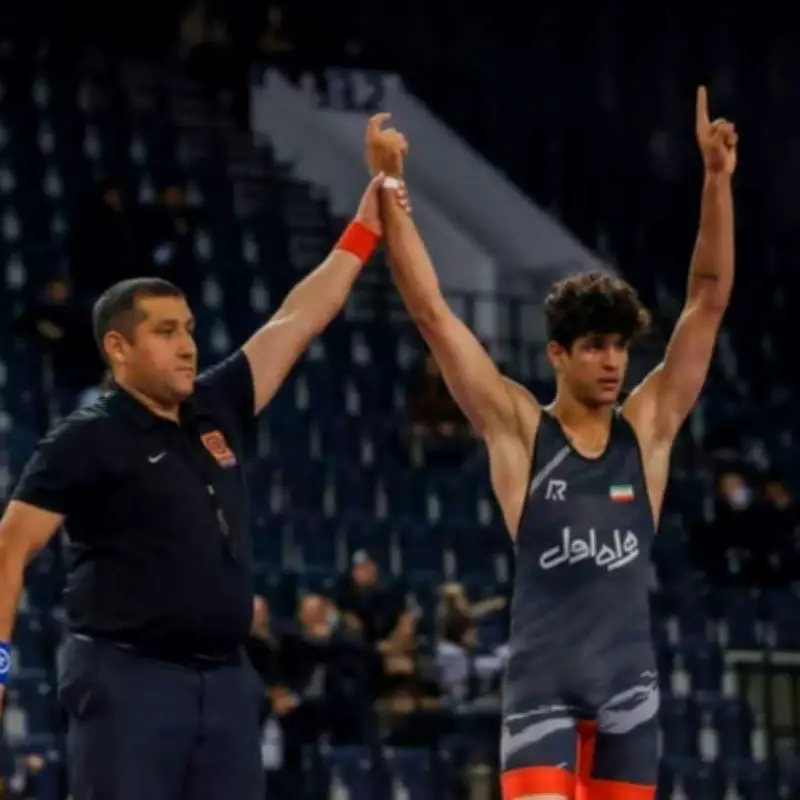
The Iranian judiciary has announced the execution of three men detained during nationwide protests in January, marking the first known death sentences carried out in relation to the demonstrations. Among those executed was Saleh Mohammadi, a teenage national-level wrestler who had represented Iran internationally.
Details of the Executions
According to the judiciary-linked Mizan news agency, the executions took place on Thursday, March 19. The three men—Saleh Mohammadi, Mehdi Ghasemi, and Saeed Davvodi—were accused of killing two police officers during the unrest that swept Iran in January. The protests initially erupted over the country's deteriorating economic situation but quickly escalated into broader anti-government demonstrations.
Saleh Mohammadi's Case and Denial
Saleh Mohammadi, who had competed in international wrestling events including the 2024 Saitiev Cup in Russia where he won a bronze medal, vehemently denied the charges against him. In court, Mohammadi stated that his confession had been obtained under torture, according to accounts from those close to him. Members of Iran's wrestling community rallied to his defense, emphasizing that he had no history of violence and was a respected athlete.
Comparisons to Previous Cases
Mohammadi's execution has drawn immediate comparisons to the case of wrestler Navid Afkari, whose execution in Shiraz in 2020 became a symbol of Iran's use of capital punishment against protesters. Afkari was sentenced to death and executed after being convicted of murdering a security guard during the 2018 Iranian protests. Both cases highlight the Iranian government's harsh response to dissent, particularly involving athletes who gain international attention.
Context of the January Protests
The January protests were met with severe force by Iranian security forces. According to documents reviewed by Iran International's Editorial Board, more than 36,500 Iranians were killed during the crackdown on nationwide protests, making it the deadliest two-day protest massacre in recorded history. The protests began as economic grievances but transformed into a wider outcry against the theocratic government's policies and human rights record.
International and Domestic Reactions
The execution of Saleh Mohammadi has sparked outrage both domestically and internationally, with human rights organizations condemning the use of capital punishment in protest-related cases. The wrestling community in Iran and abroad has expressed shock and sorrow, noting Mohammadi's youth and athletic achievements. This case underscores ongoing tensions in Iran, where the government continues to suppress dissent through extreme measures, including executions.
The broader implications of these executions suggest a continued pattern of severe retaliation against protesters, potentially deterring future demonstrations but also fueling further international criticism of Iran's human rights practices. As the situation develops, observers are closely monitoring for any additional sentences or crackdowns related to the January protests.