The year 2025 will be remembered as a period where technology moved decisively from spectacle to substance. While announcements were constant, the most significant releases focused on enhancing daily life through smarter design, more powerful artificial intelligence, and a renewed commitment to usability and inclusion.
Smartphones: The Foldable Future Arrives
Despite the buzz around AI, smartphones remained the centrepiece of consumer tech discussions. Manufacturers pushed the envelope, particularly with foldable designs that finally felt ready for the mainstream.
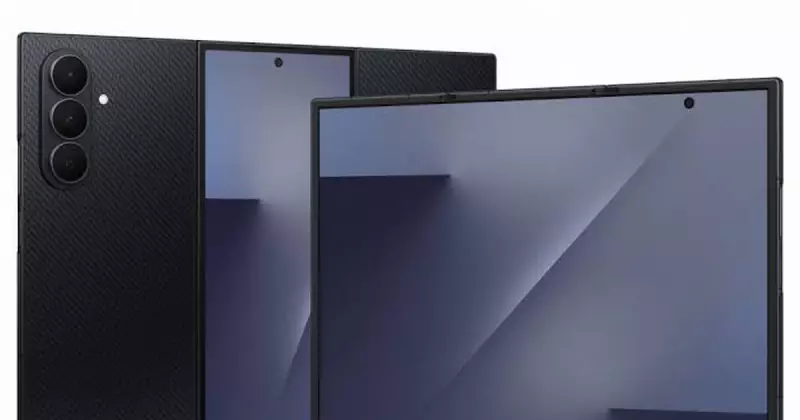
Samsung made perhaps the boldest statement with the Galaxy Z Trifold. This device folded not once, but twice, transforming from a standard phone into a compact tablet. Samsung addressed past durability concerns with stronger hinges and better screen protection, while software optimisations made multitasking across the different screen sizes fluid and intuitive.

Not to be outdone, Google's Pixel 10 Pro Fold took a more pragmatic approach. It earned an IP68 rating for water and dust resistance—a rarity for foldables—and leveraged Google's AI to enhance battery life and photography. It was a foldable built for reliability.
Meanwhile, Xiaomi solidified its premium status with two distinct flagships. The Xiaomi 17 Pro Max catered to power users with exceptional battery life and a dual-screen setup, while the Xiaomi 15 Ultra, developed with Leica, became a top choice for mobile photography enthusiasts.
Apple's Ecosystem Gets a Thoughtful Refresh
Apple chose refinement over revolution in 2025, delivering polished updates across its product lineup. The iPhone 17 series, including the slim iPhone 17 Air, saw incremental but meaningful improvements in camera clarity and battery performance.
The Apple Watch Series 11, Ultra 3, and SE 3 expanded health monitoring capabilities and battery life. A standout accessory was the Hikawa phone grip and stand, designed with accessibility in mind to aid users with limited grip strength.
The AirPods Pro 3 evolved beyond audio, incorporating heart-rate tracking and live translation features. This was complemented by the performance boost of the MacBook Air M4 and the new Liquid Glass interface in iOS 26, which enabled smoother intelligence across Apple devices.
The AI Revolution Gets Real and Responsible
Artificial intelligence transitioned from a novelty to a core tool for work and creativity in 2025. The competition between giants intensified as Google launched its most advanced AI research agent, capable of planning and executing complex research tasks.
Simultaneously, OpenAI released GPT-5.2, advancing the capabilities of large language models and fueling debates about the future of AI. In the creative space, Canva rolled out its own proprietary AI model, giving users more powerful and integrated text-to-design tools.
As AI-generated content proliferated, the issue of transparency came to the fore. Google expanded its SynthID watermarking system to help identify AI-made images, addressing growing concerns about authenticity and trust online.
Even Spotify joined the AI-driven personalisation trend, introducing weekly listening stats that gave users deeper, more frequent insights into their music habits beyond the annual Wrapped report.
In summary, 2025 was a landmark year where technology became more practical, intelligent, and considerate. The major releases from Samsung, Apple, Google, and AI pioneers proved that the most impactful innovation isn't always the loudest—it's the kind that seamlessly integrates into and improves our daily lives.