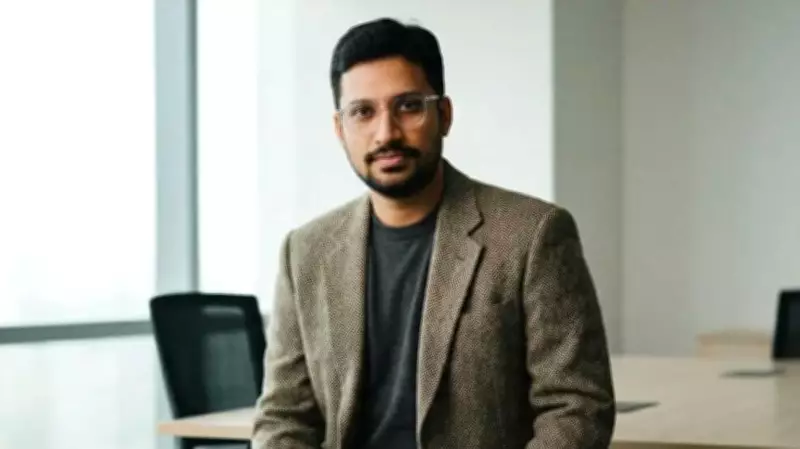
Venkata Sandeep Dhullipalla, a Principal Engineer and enterprise systems architect, has stressed the importance of adopting Artificial Intelligence-driven cybersecurity systems as digital threats grow more sophisticated and difficult to manage with traditional security frameworks. Dhullipalla, who specializes in AI-powered distributed systems, noted that artificial intelligence is rapidly transforming how organizations handle cybersecurity, system performance, and operational risk.
Limitations of Conventional Security Models
According to Dhullipalla, the increasing scale of digital infrastructure across various industries has led to a surge in the volume and complexity of cyber threats, exposing the limitations of conventional security models. In a statement, he observed that many organizations still rely on reactive cybersecurity approaches built around rule-based threat detection and post-incident response mechanisms. He argued that these methods are becoming less effective in modern environments where cyber threats evolve in real time.
Advocating for Predictive Systems
Instead of reactive measures, Dhullipalla advocated for predictive systems powered by machine learning and behavioral analytics. These systems can continuously analyze large volumes of data, detect anomalies, and identify vulnerabilities before they escalate into major incidents. “Cybersecurity can no longer be treated as a reactive function. The scale and speed of modern systems require predictive capabilities that allow organizations to identify and mitigate risks before they materialize,” he said.

AI-Driven Architectures in Distributed Systems
Dhullipalla explained that his work has focused on developing distributed systems that combine artificial intelligence, cloud infrastructure, and real-time data pipelines. He noted that in high-volume consumer platforms, reliability and security remain critical to ensuring uninterrupted service delivery. According to him, AI-driven architectures are particularly valuable in distributed environments operating across multiple regions and handling significant volumes of user interactions. Continuous monitoring enabled by AI allows organizations to detect inefficiencies and vulnerabilities early, reducing the risk of large-scale disruptions.
Shift in Cybersecurity Implementation
He further observed that the growing adoption of cloud-native technologies and automated development pipelines is driving a shift in how cybersecurity is implemented. Security is increasingly being integrated into system design rather than treated as a separate operational function. Dhullipalla also pointed to the growing convergence between cybersecurity, data engineering, and software development, noting that AI is becoming an integral component of modern application architecture. “AI is becoming part of the core architecture of modern applications. It is influencing not just how systems are secured, but how they are built and scaled,” he said.
Potential for Emerging Digital Economies
The technology expert added that similar AI-enabled architectures could support emerging digital economies, including Nigeria, where expanding digital infrastructure presents both opportunities and challenges. He highlighted the potential for greater collaboration and knowledge transfer across regions as countries accelerate their digital transformation efforts.
Future Outlook
Looking ahead, Dhullipalla predicted that organizations would increasingly move away from compliance-driven security models towards adaptive, predictive, and continuously learning systems. He warned that businesses that fail to embrace such changes risk losing competitiveness in an increasingly data-driven global economy.