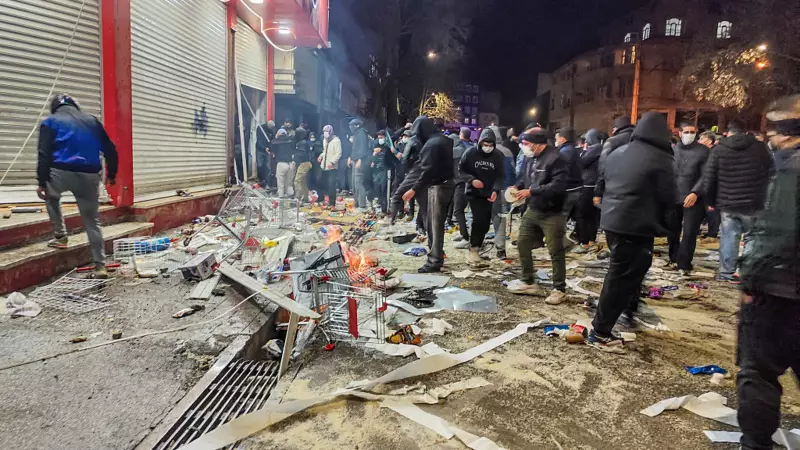
Iran has entered a critical fourth day of a near-total internet blackout, with digital rights monitors and activists warning the shutdown is a cover for a violent government crackdown on widespread protests.
Digital Darkness and Global Concern
According to the monitoring group NetBlocks, connectivity across Iran has been suppressed for more than 84 hours. The group confirmed the national internet blackout had passed this mark as the country began a new day. They noted that limited communication was still possible through alternative means like shortwave radio, satellite phones, Starlink terminals, and by connecting to mobile networks near the country's borders.
Despite the severe digital blockade, demonstrations have persisted inside Iran. The protest movement, now in its second week, initially erupted over the soaring cost of living. It has since transformed into a broader demand for an end to the clerical regime that has ruled since the 1979 Islamic Revolution.
International Reactions and Solidarity
In response, activists in the diaspora have organized solidarity rallies worldwide. One such gathering occurred in Washington, D.C., where protesters assembled near the White House. They urged the international community to focus on what they called the most significant challenge to Iran's government in over three years.
Adding to the international pressure, U.S. President Donald Trump commented on the situation on Friday, January 9. He stated that Iran's leaders appeared to be "in big trouble" and reiterated previous threats of military action if authorities killed peaceful demonstrators. "It looks to me that the people are taking over certain cities that nobody thought were really possible just a few weeks ago," Trump said.
Unverified Casualties and a Regime Under Siege
The true human cost of the crackdown remains shrouded in secrecy due to the internet blackout. Activists and human rights organizations claim that hundreds of protesters have been killed since the unrest began. Iranian authorities have not released any official casualty figures, deepening fears that the blackout is concealing the scale of the state's response.
This extended internet shutdown represents one of the most severe measures taken by the Iranian government to control information and quell dissent. It highlights the regime's vulnerability to popular uprising and its willingness to isolate the nation to maintain its grip on power.