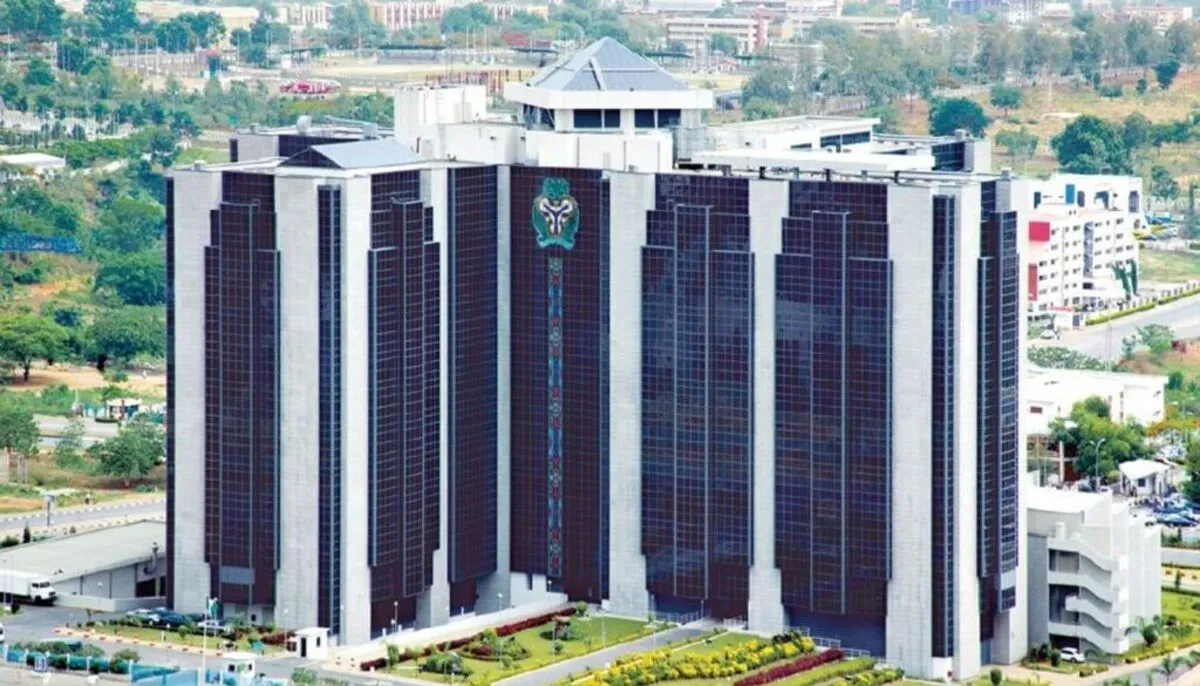
Banks' Credit to Finance Sector Hits N9.8 Trillion in March
Banks' credit to Nigeria's finance sector surged to N9.8 trillion in March 2026, marking a 15% increase from N8.5 trillion in December 2025, according to the National Bureau of Statistics.

Banks' credit to Nigeria's finance sector surged to N9.8 trillion in March 2026, marking a 15% increase from N8.5 trillion in December 2025, according to the National Bureau of Statistics.
)
The US Coast Guard has lifted the Condition of Entry on Nigerian vessels after 12 years, following four assessments that confirmed improved maritime security and ISPS Code compliance, a move the Federal Government says will boost port competitiveness.

PETROAN demands binding crude supply agreements and performance targets for Port Harcourt and Warri refineries, warning that rehabilitation alone won't guarantee sustained operations.

France mandates long-stay visa holders validate their visa within 3 months of arrival via OFII website or face loss of legal residency and Schengen re-entry ban.

The Toyota Corolla is Nigeria's most economical car due to fuel efficiency, reliability, and low maintenance. Nigerian-used models range from N2.8M to N8M, while Tokunbo models cost between N7M and N18M in 2026.

NAICOM revoked Universal Insurance Plc's licence on August 14, 2026, for failing to meet minimum capital requirements, appointing Ogbonna Chukwumerije as receiver/provisional liquidator to oversee winding-up.

BRB Securities Limited has secured SEC registration as an issuing house, enabling it to underwrite and manage public offerings, a major milestone for the BRB Capital Group.
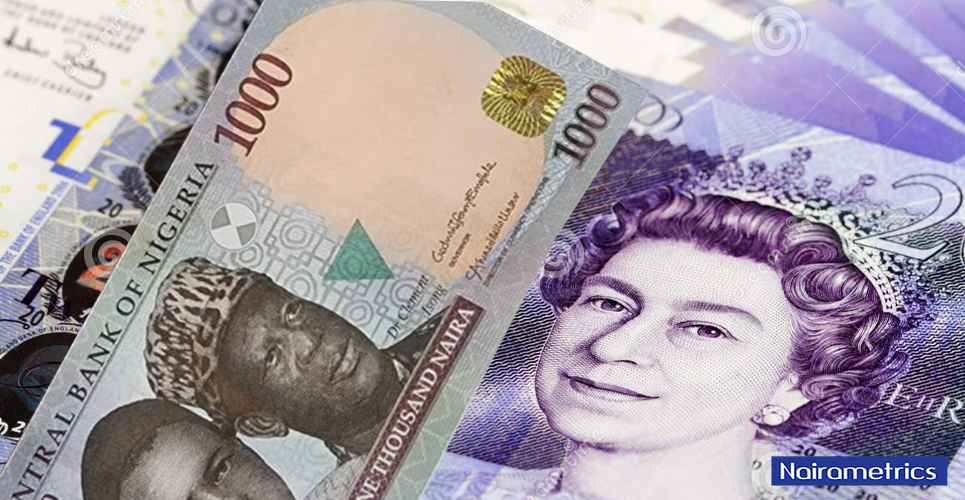
The Nigerian naira appreciated against the British pound sterling on Wednesday, trading at N1,819/£1 in the official market, marking a notable gain from previous rates.

Opay has deployed artificial intelligence and data analysis tools to detect and prevent fraudulent transactions in real time, safeguarding its millions of users across Nigeria.
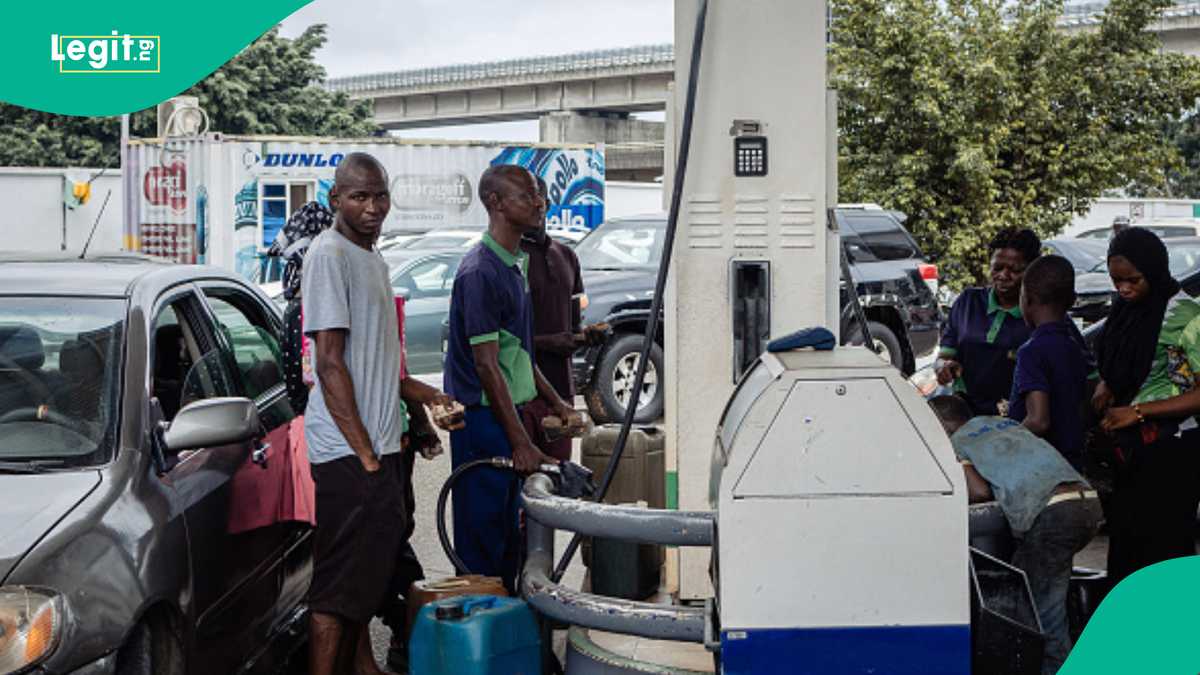
NNPC retail stations now sell petrol at N1,205 per litre, the cheapest in Nigeria, as Dangote-affiliated outlets sell above N1,200 and depot prices rise amid crude oil volatility.

France has published the insurance conditions foreign nationals must meet before their visa application can be approved, including a minimum coverage of €30,000.

Absa Group closed 79 traditional branches and removed over 100 ATMs in H1 2026 as digital banking adoption surged, with digitally active customers rising 14%.
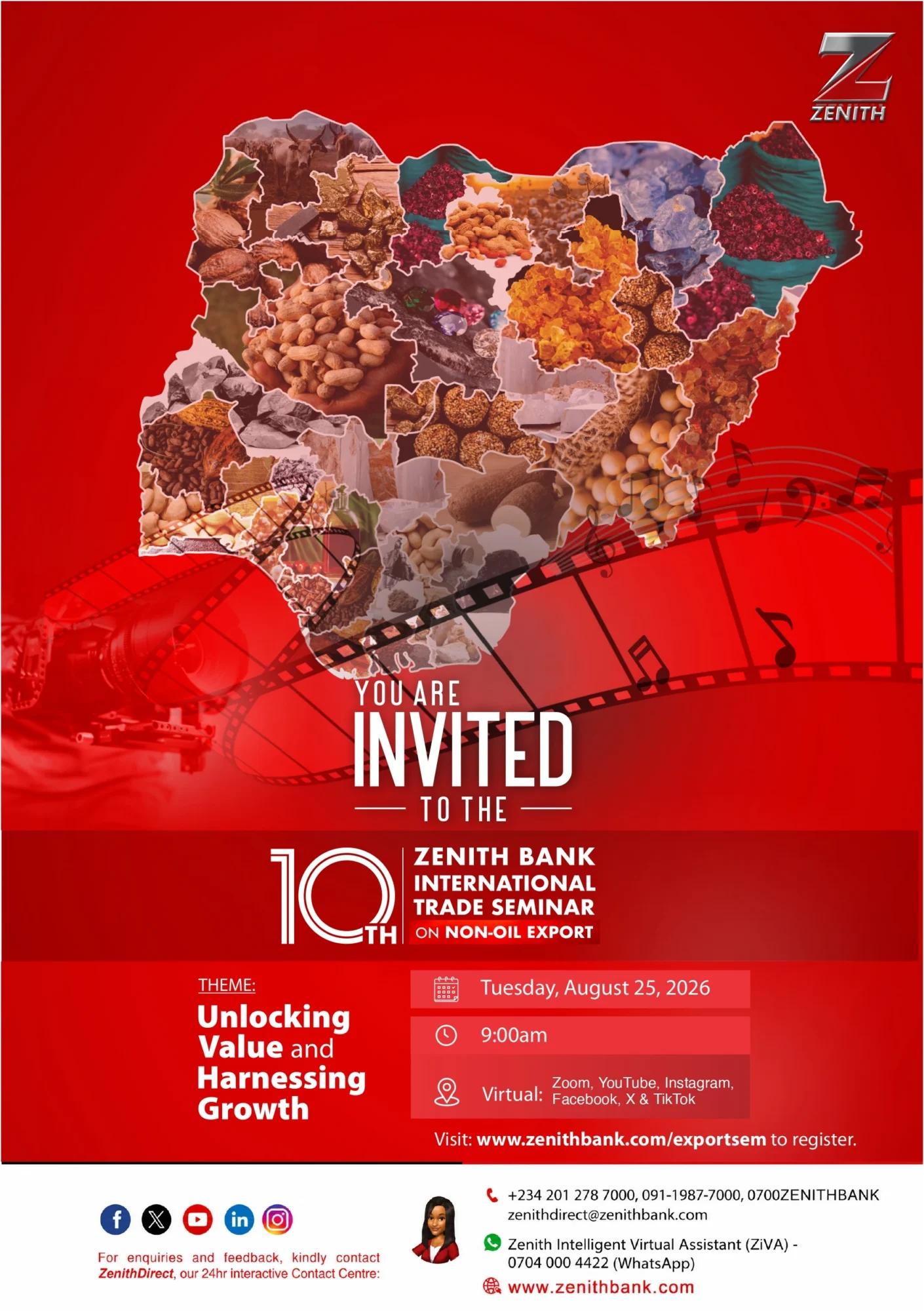
Zenith Bank will hold its 10th International Trade Seminar on August 27, 2026, in Lagos, focusing on strategies to unlock Nigeria's non-oil export potential and boost foreign exchange earnings.
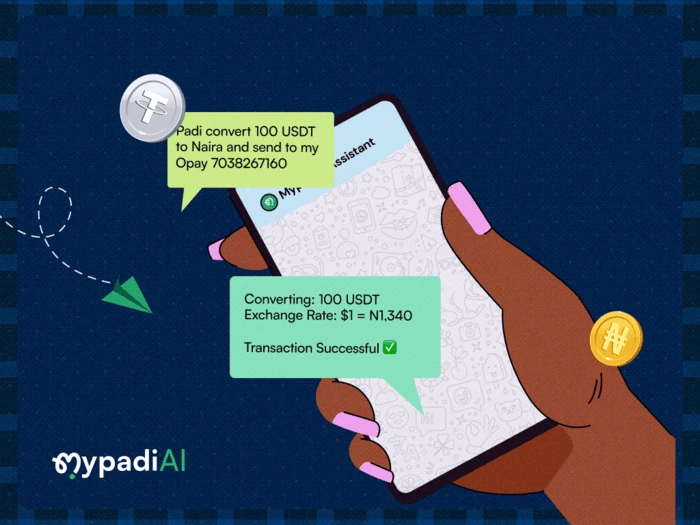
Mypadi AI has launched a WhatsApp-based crypto trading infrastructure, enabling secure P2P transactions with AI-driven fraud detection and escrow protection for Nigerian users.
)
The Federal Government has opened free CAC Business Name registration for 250,000 eligible nano, micro and small businesses through the SMEDAN-CAC initiative. Apply via the official portal.

MyPadi AI lets Nigerians convert Bitcoin, Ethereum, or USDT into Naira via WhatsApp, landing funds directly in a bank account without third-party vendors or extra apps, the platform launched in May 2026.

Nigerian MSMEs can apply for N13 million in funding through CREM's Endowment Trust Grant Programme. 15 selected businesses will receive grants and business training. Application deadline is August 20, 2026.

Barcelona have signed Rodri from Manchester City for £65.4m. The 30-year-old Spain World Cup winner agreed a four-year contract after two bids were rejected.
)
Pastor Chris Oyakhilome unveils Tsion electric cars at NEU 2026, marking Christ Embassy's entry into auto manufacturing. Models include Passion, Falcon, Vision, and OG series.

Nigerians now pay up to N5,700 more per 50kg cement bag than in January 2026, as the FCCPC launches a formal investigation into suspected price manipulation by major manufacturers.
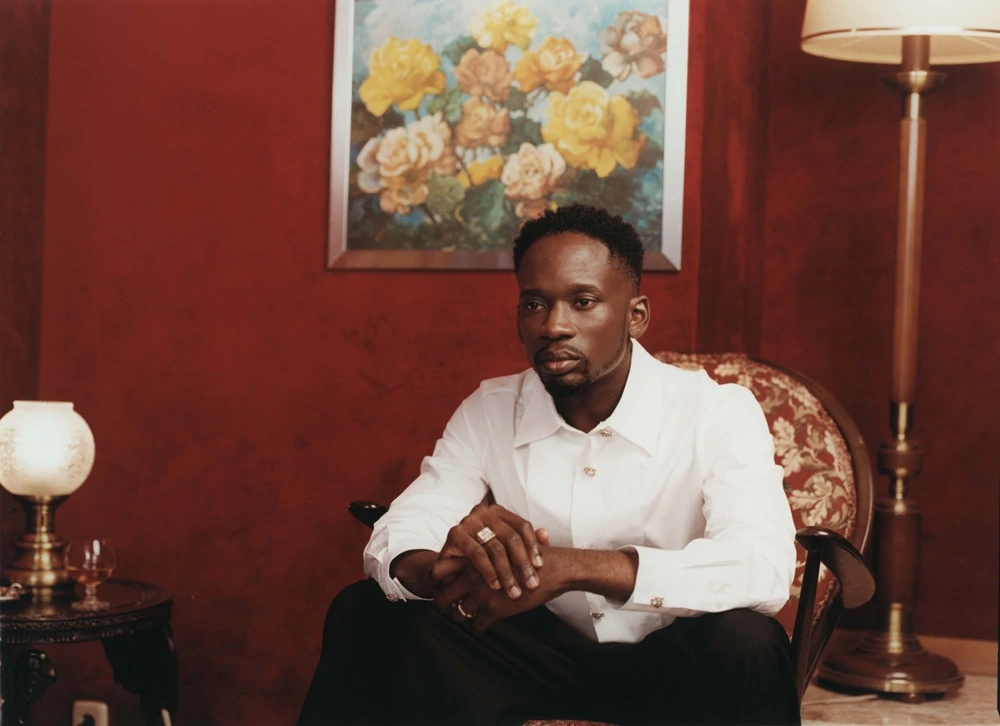
Nigerian singer Mr Eazi plans a major NGX listing, following in the footsteps of Dangote and Otedola, as part of his investment strategy.
FTN Cocoa Processors appoints Wale Jubril as new board chairman, succeeding late Chief Olusegun Osuntokun, following his passing in July 2026.

Priscilla Agada, a UNILAG graduate, joins Bank of America as a Fixed Income Trade Support Analyst after a 2024 internship, sharing her rewarding six-month experience.

The Nigerian Exchange extended losses for a second day, with market capitalization dropping N545 billion to N155.973 trillion as investors took profits in banking and other key sectors.
Banks' credit to Nigeria's finance sector rose to N9.8 trillion in March 2026, up from N8.1 trillion in February, according to the CBN's latest data.

Nigeria slipped to third in global stock market rankings as South Korea reclaimed top spot with 68.52% gains, Ghana second at 66.68%, Nigeria third at 65.23%.

The Nigerian Exchange (NGX) lost N544.5 billion in market capitalization on Wednesday as investors sold shares of First Holdco and Fidelity Bank, among others, amid profit taking.

Nigeria's banks closed 229 branches and cash centres in one year, with Ebonyi losing 89 locations, as digital banking adoption accelerates, according to CBN data.

Galatasaray insider Emre Kaplan says the Turkish champions will offer Bruno Fernandes a salary equal to Victor Osimhen's, plus any transfer fee, as they pursue the Manchester United captain.

The UAE has set the financial security deposit for foreigners' residency permits at AED 20 (about N7,346), as published on its official website, clarifying a key cost for applicants.