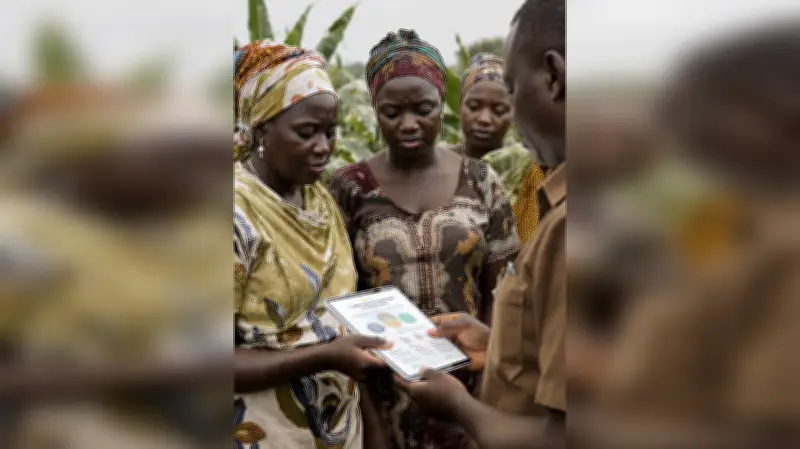
Despite the existence of climate, agriculture and women’s economic empowerment policies at both national and state levels, stakeholders say weak implementation, limited awareness and financing barriers have continued to prevent many women from benefiting from government interventions. Sadly, over 80 per cent of rural women farmers reached through a climate project are reportedly unaware of available climate finance opportunities.
Policy Engagement Forum Highlights Gaps
These concerns were raised during a national policy engagement forum on climate change, gender and agriculture convened by the International Centre for Environmental Health and Development (ICEHD), under its grassroots women climate action by rural women farmers in Nigeria project, supported by the African Women’s Development Fund (AWDF). The forum brought together government representatives, civil society organisations (CSOs), development practitioners, women farmers and policy advocates to review existing policy frameworks and identify implementation gaps affecting women, particularly those in rural communities.
Representatives of Lagos State government agencies acknowledged the disproportionate impact of climate change on women farmers and highlighted ongoing interventions aimed at improving resilience and economic inclusion. While the Ministry of Women Affairs and Poverty Alleviation (WAPA) outlined training programmes, agricultural support initiatives and capacity-building efforts targeting women, representatives of the Ministry of Environment and Water Resources, Lagos State Environmental Protection Agency (LASEPA) and the Lagos State Agricultural Development Authority (LSADA) stressed the need for gender-responsive climate policies, stronger community engagement and improved access to productive resources for women farmers.
Challenges Faced by Rural Women Farmers
While speaking, the ICEHD Programme Officer, Shalom Wusu, said the organisation’s work over the years had shown that women remain disproportionately affected by climate change despite the existence of several policies designed to support them. According to her, rural women farmers continue to face challenges ranging from flooding, drought, irregular rainfall patterns, pest infestations and declining soil fertility, all of which undermine food production and household livelihoods. She explained that the forum was organised to critically examine climate, gender and agricultural policies and develop practical recommendations that would improve productivity and resilience among women and vulnerable groups.
Wusu said ICEHD’s intervention, which began in Abuja before expanding to Lagos and Imo states, had trained women on climate adaptation, climate-smart agriculture and agroecology, while also providing farm tools and other support to strengthen their resilience.
Disconnect Between Policy and Reality
The concern surfaced repeatedly throughout the forum. While government representatives highlighted existing programmes, training initiatives and support schemes targeting women, participants argued that many intended beneficiaries remained unaware of available opportunities or continued to face barriers accessing them. The discussions pointed to a persistent gap between policy commitments and the realities experienced by women at the community level.
A review of the Lagos State Climate Action Plan (2020–2025) presented during the forum described the policy as one of Nigeria’s most comprehensive sub-national climate frameworks. The plan seeks to build a climate-resilient, low-carbon and sustainable Lagos through interventions in energy, transportation, waste management, infrastructure development and climate adaptation.
Presenting an analysis of the policy, Chief Executive Officer of the Women Entrepreneurs Association of Nigeria (WEAN), Dr Angela Daniel, noted that while the plan contains provisions for gender mainstreaming, significant gaps remain between policy commitments and actual implementation. Among the concerns identified were weak representation of women in climate governance structures, the absence of gender-disaggregated baseline data, inadequate recognition of women’s unique climate vulnerabilities and the lack of dedicated funding mechanisms targeted at women.
Financing Constraints and Data Deficiencies
The review also highlighted financing constraints, poor institutional coordination, weak monitoring systems, data deficiencies and limited community participation as major barriers slowing implementation. Stakeholders argued that without stronger accountability systems, gender-responsive budgeting and meaningful community engagement, climate policies risk failing the women they are intended to support.
ICEHD’s Senior Programme Officer, Victor Adewoye, reinforced concerns about limited access to climate finance among women farmers. He said findings from the organisation’s engagement with rural women revealed that climate finance remains one of the biggest gaps. According to him, over 80 per cent of women reached through the project were unaware of available climate financing opportunities or support mechanisms. While awareness campaigns and training programmes have helped bridge some information gaps, he maintained that government must make funding opportunities easier to access.
Women’s Economic Empowerment Policy Under Scrutiny
The forum also reviewed the Lagos State’s Women’s Economic Empowerment (WEE) Policy Roadmap, which seeks to improve women’s access to finance, entrepreneurship opportunities, skills development and participation in emerging sectors. The policy review found that women working in the informal sector remain largely underserved despite constituting a significant share of Lagos’ female workforce.
Other concerns included weak access to finance, the digital gender divide, inadequate recognition of unpaid care work, limited support for rural and marginalised women, challenges around land ownership and inheritance rights, with stakeholders calling for stronger legal protections and safeguards to prevent women from being dispossessed of property, particularly in inheritance-related cases and low representation of women in leadership and decision-making structures. The review also pointed to implementation weaknesses, including poor monitoring systems, inadequate funding and insufficient sex-disaggregated data.
They warned that unless these structural barriers are addressed, many women may remain excluded from opportunities intended to improve their economic wellbeing.
Call for Community Sensitisation and Feedback Mechanisms
One of the recurring themes during the discussion session was the disconnect between government programmes and women at the grassroots level. The participants argued that many women remain unaware of existing interventions because information rarely reaches them. A participant described interactions with women’s community groups in Lagos where members had little knowledge of government programmes designed for their benefit. According to her, many women had never received government training and were unaware of available support opportunities.
They suggested increased community sensitisation, stronger engagement with existing women’s associations and support for group registration to improve access to government interventions. Others emphasised the need for government agencies to improve feedback mechanisms and demonstrate measurable results from empowerment programmes. Suggestions included creating transparent reporting systems that would enable government and citizens track beneficiaries, programme outcomes and implementation progress.
Also, CSOs and NGOs represented at the forum highlighted ongoing efforts to improve women’s participation in governance and policy implementation. Representatives of various organisations shared experiences ranging from renewable energy awareness campaigns and entrepreneurship support programmes to initiatives promoting women’s political participation. Some participants argued that increasing women’s representation in politics would strengthen advocacy for gender-responsive policies and improve implementation outcomes. Others called for deliberate policy reforms to address discriminatory cultural practices, strengthen women’s property rights and ensure equal opportunities across sectors.
Discussions on land ownership and inheritance rights generated significant interest, with participants stressing the need for better awareness of legal protections available to women. Several contributors also advocated joint property ownership arrangements and stronger legal safeguards to protect women from dispossession following the death of spouses.