The African Development Bank (AfDB) has reported that Nigeria's persistent electricity challenges are placing a heavy burden on businesses, with more than seven out of every ten firms depending on generators to keep operations running. In its 2026 African Economic Outlook report, the bank revealed that frequent power outages are costing Nigerian businesses about three per cent of their annual sales.
Widespread Generator Reliance
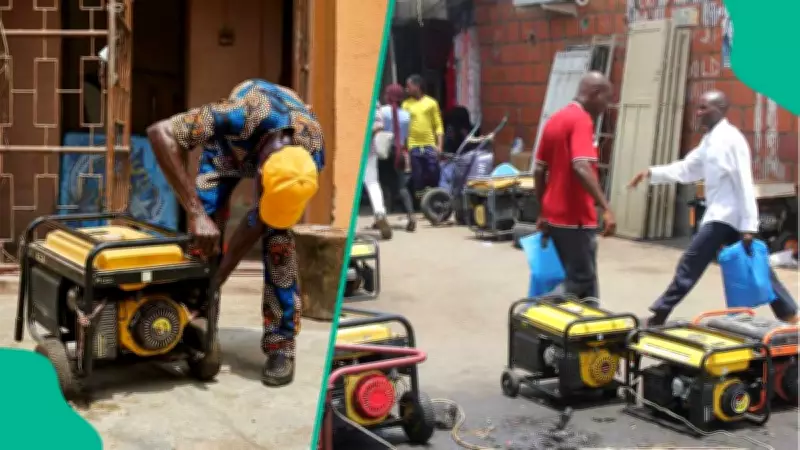
The report highlights how unreliable electricity supply continues to raise operating costs, reduce productivity, and discourage investment in Africa's largest economy. The AfDB noted that 70.7 per cent of businesses in Nigeria either own or share generators due to the country's unreliable power grid. According to the report, "Electricity outage losses amount to three per cent of annual sales in Nigeria, and because of this, generator reliance is widespread, with 70.7 per cent of firms in Nigeria owning or sharing generators."
Businesses Forced to Pay for Essential Services
The report said Nigeria's electricity problems are part of broader structural and governance issues that have shifted the responsibility for basic services from the government to citizens and businesses. According to the bank, many households and firms across Africa now spend their own money on services such as electricity, water, security, and transportation infrastructure. These additional expenses function like hidden taxes, reducing disposable income and increasing the cost of doing business.
The AfDB warned that when governments increase revenue collection without corresponding improvements in public services, it weakens public trust and undermines the effectiveness of the tax system. For many Nigerian businesses, self-generated electricity has become a necessity rather than a choice. However, the reliance on generators comes with high costs, including fuel expenses, equipment maintenance, and lower competitiveness.
Impact on Formal Economy
The AfDB said these pressures are also encouraging some businesses to operate outside the formal economy in an effort to reduce costs and avoid regulatory obligations. This trend, the bank noted, weakens tax compliance and reduces government revenue. To address these challenges, the AfDB called for major improvements in public service delivery, particularly in the areas of electricity, healthcare, education, water supply, and sanitation.
The bank said better public services would reduce the need for households and businesses to provide these services themselves, helping to strengthen trust in government, improve voluntary tax compliance, expand the formal tax base, and support long-term economic growth.
Government Moves to Boost Power Supply
Meanwhile, President Bola Tinubu inaugurated an 11-member committee for the creation of a Grid Asset Management Company. The initiative aims to address stranded power and improve electricity transmission in Nigeria. The federal government will own the company through the Ministry of Finance Incorporated.