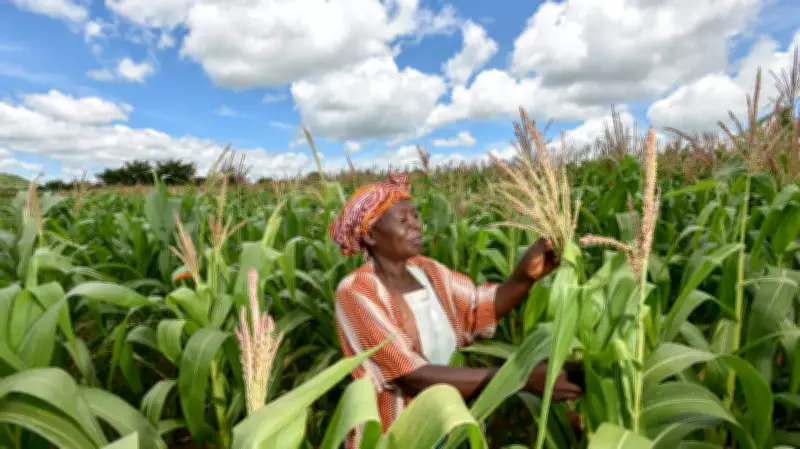
African Leaders Convene in Yaoundé for CAADP Kampala Implementation Workshop
For three days, from March 17 to 19, 2026, leaders and stakeholders from across the African continent assembled in Yaoundé, Cameroon, for a high-level dialogue and workshop focused on the Comprehensive Africa Agriculture Development Programme (CAADP) Kampala Implementation Guidelines. This event aimed to drive the continent's agricultural transformation through coordinated action and strategic planning.
Background and Commitments
The CAADP Kampala Declaration, adopted by Heads of State and Government in January 2025, outlines bold commitments to build resilient and sustainable agrifood systems in Africa for the period 2026-2035. At its core, the declaration obligates Member States and Regional Economic Communities (RECs) to fully integrate these commitments into National Agrifood Investment Plans (NASIPs) and Regional Agrifood System Investment Plans (RASIPs), while adopting best practices based on CAADP principles.
The provision emphasizes the critical need to translate high-level political commitments into systematic, coordinated, and actionable steps that can drive real transformation across Africa's food and agriculture landscape. The CAADP Kampala Strategy & Action Plan (2026–2035) further reinforces this imperative by directing member states and RECs to integrate and reflect the commitments of the CAADP Kampala Declaration into national policies, strategies, and budget frameworks for effective implementation through NASIPs and RASIPs.
Workshop Focus and Strategic Vision
The workshop centered on the implementation of the plan, which embodies the shared vision of "Sustainable and Resilient Agrifood Systems for a Healthy and Prosperous Africa" and aligns closely with Agenda 2063: "The Africa We Want," particularly Aspiration 1, which emphasizes inclusive growth and sustainable development. These guidelines aim to accelerate the transformation of the agrifood system as part of the continent's broader journey toward structural change and shared prosperity.
The guidelines mark a decisive evolution in CAADP's trajectory, shifting from fragmented planning processes toward an integrated, implementation-focused, and investment-driven approach. They address a long-standing gap: while Africa's political commitment to agricultural transformation has been strong, the mechanisms and roadmaps for implementation have not always been clearly defined.
Implementation Framework and Operational Structure
The new domestication framework positions the CAADP Kampala guidelines as the overarching vehicle through which all African Union agrifood-related decisions and thematic initiatives are to be embedded. This integration enhances coherence, fosters synergy, and mitigates fragmentation across policy areas.
At the operational level, the guidelines introduce a four-part implementation cycle:
- Governance
- Diagnostics and analysis
- Investment
- Accountability
This structure is designed to convert commitments into coordinated, results-oriented action, strengthening collaboration, enhancing mutual accountability, and ensuring that interventions remain aligned with the overarching goals of sustainable and resilient agrifood systems.
Strategic Shift and Target Audience
In essence, the CAADP Kampala Guidelines represent a strategic shift toward greater efficiency, integration, measurable impact, and operational clarity. These guidelines are intended for policymakers, technical planners, and development partners supporting the domestication of the CAADP Kampala commitments. They provide a structured reference for designing, implementing, and monitoring agrifood systems transformation strategies at national and regional levels.
In line with the plan, the guideline also mandates the African Union Commission (AUC) and AUDA-NEPAD to support Member States and RECs in incorporating the commitments of the Kampala CAADP Declaration into NASIPs and RASIPs, facilitate regional collaboration, and enhance the use of the Biennial Review process to inform planning and decision-making.
Lessons from Past Cycles and Future Directions
Past CAADP cycles revealed a recurring weakness: political commitments were often made without the necessary operational clarity to guide their execution. The Kampala generation of CAADP, being the third and most integrated cycle, cannot afford to repeat this pattern. Hence, there is a clear need for dedicated Implementation Guidelines that provide the "how" to accompany the "what" of the Declaration and Action Plan.
This workshop in Yaoundé serves as a pivotal step in ensuring that the ambitious goals set forth in the CAADP Kampala Declaration are realized through practical, actionable measures that benefit farmers, communities, and economies across Africa.