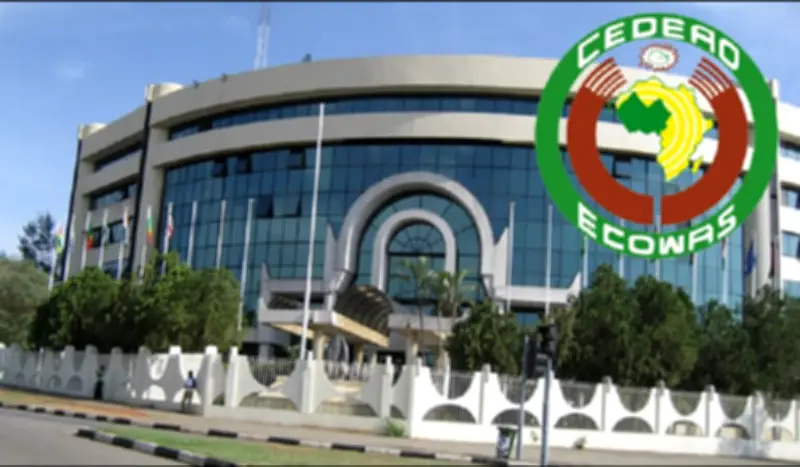
The Economic Community of West African States (ECOWAS) has set its sights on closing a climate finance gap estimated at $294 billion by 2030, unveiling plans to establish a regional carbon market as a key mechanism to attract private investment.
Addressing the Climate Finance Gap
According to a statement from the ECOWAS Commission, the bloc requires substantial funding to meet its climate commitments under the Paris Agreement. The $294 billion figure represents the investment needed for mitigation and adaptation projects across the 15 member states, including renewable energy expansion, climate-resilient agriculture, and coastal protection.
Speaking at a regional workshop on climate finance in Abuja, an ECOWAS official emphasized that public funds alone are insufficient to bridge the gap. The Commission is therefore exploring innovative financing instruments, with the carbon market seen as a viable avenue to mobilize private capital.
Regional Carbon Market Framework
ECOWAS is working to develop a harmonized carbon trading framework that would enable member states to participate in international carbon markets while ensuring environmental integrity. The framework aims to standardize measurement, reporting, and verification (MRV) systems across the region, making it easier for projects to generate carbon credits.
The initiative aligns with Article 6 of the Paris Agreement, which allows countries to cooperate in achieving their emission reduction targets. By creating a regional market, ECOWAS hopes to lower transaction costs and attract investors seeking high-quality credits from West African projects.
Potential Benefits and Challenges
Proponents argue that a regional carbon market could unlock significant revenue for green projects, support sustainable development, and create jobs. However, experts caution that challenges remain, including the need for robust governance, clear property rights, and capacity building for local stakeholders.
The ECOWAS Commission plans to engage with international partners and the private sector to operationalize the market within the next few years. A pilot phase is expected to focus on sectors like forestry, clean energy, and waste management, where emission reductions are measurable.
As the region grapples with the impacts of climate change, including desertification and flooding, the successful implementation of this carbon market could serve as a model for other regional blocs. The next steps involve finalizing the legal framework and securing technical assistance from organizations like the World Bank and the African Development Bank.