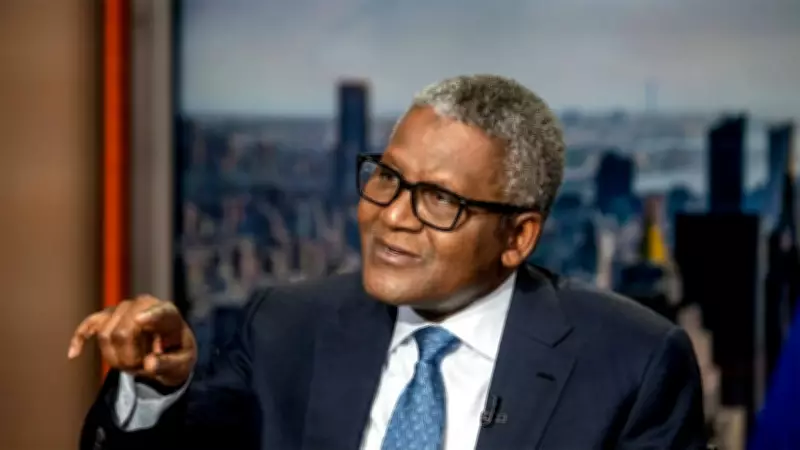
Dr. Aliko Dangote, President of the Dangote Group, has expressed strong support for Uganda's decision to halt the export of unprocessed minerals, as African governments increasingly prioritize value addition and industrialization. The policy, championed by Ugandan President Yoweri Museveni, is part of a broader continental movement to process raw materials locally, aiming to enhance economic returns, generate employment, and strengthen domestic industries.
Dangote Commends Uganda's Bold Move
Dangote praised Museveni's leadership, stating, "I applaud President Museveni for his bold decision to ban the export of unprocessed minerals." He emphasized that this aligns with the goal of ensuring Africa benefits more from its natural resources rather than exporting them with minimal value addition.
Commitment to East Africa Refinery
Dangote also announced his group's readiness to invest in refining infrastructure in East Africa. "I also want to commit to the two presidents here that, with their support for the refinery, we will build a similar one in East Africa like the one we have in Nigeria," he said. This commitment comes as East African nations, including Kenya, Uganda, Tanzania, and South Sudan, continue discussions on establishing a regional oil refinery to process crude within the region and reduce reliance on imported petroleum products.
Regional Refining Ambitions
The push for local refining capacity is closely tied to ongoing oil development projects in East Africa, such as the East African Crude Oil Pipeline, which is expected to transport crude from Uganda's oilfields to Tanzania's coast for export. Nigeria's refining landscape has also seen significant transformation with the development of large-scale private refining capacity. The Dangote refinery, with a capacity of 650,000 barrels per day, is among the largest globally and has started supplying refined products to domestic and regional markets.
Critical Step for Energy Security
Expanding refining capacity across Africa is viewed as a critical step toward improving energy security, stabilizing fuel supply, and reducing vulnerability to global price shocks. Dangote stressed that collaboration with governments is essential for delivering similar projects in East Africa, particularly in terms of policy support, infrastructure, and investment frameworks.