The Equipment Leasing Registration Authority (ELRA) and the National Agricultural Development Fund (NADF) have signed a Memorandum of Understanding (MoU) aimed at expanding access to agricultural machinery through structured leasing arrangements, as part of efforts to strengthen Nigeria's food security drive.
Partnership Details
During the event held in Abuja, the Registrar/Chief Executive Officer of ELRA, Donald Wokoma, and the Executive Secretary/Chief Executive Officer of NADF, Mohammed Ibrahim, disclosed that the partnership targets improving access to tractors, harvesters, irrigation systems, processing equipment, and other agricultural assets for farmers, cooperatives, and agribusiness operators.
Wokoma stated that the collaboration provides a framework for both agencies to expand affordable access to agricultural machinery through different leasing structures. The initiative will support the development and implementation of various agricultural equipment leasing models, including finance leases, operating leases, lease-to-own arrangements, and other structures permitted under the Equipment Leasing Act.
Addressing Financing Constraints
He added that the programme aims to address financing constraints that limit farmers' access to mechanised equipment, while also encouraging private sector participation in agricultural leasing and equipment financing. As part of the agreement, ELRA will oversee the registration of lease agreements, maintain records of agricultural equipment under lease arrangements, help structure tailor-made lease models that consider the nature of agriculture, and support compliance with leasing regulations.
NADF will provide advisory support and facilitate capacity-building programmes related to agricultural equipment operations. Wokoma further noted that the partnership is expected to bring together financial institutions, equipment manufacturers, leasing firms, development partners, and state governments in the implementation of agricultural mechanisation initiatives.
Expected Impact
The registrar said the collaboration would help strengthen sustainable mechanisation systems, boost agricultural productivity, and improve food security outcomes nationwide. He added that the MoU will remain in effect for an initial period of four years, subject to renewal by mutual agreement.
Background on Mechanisation Gaps
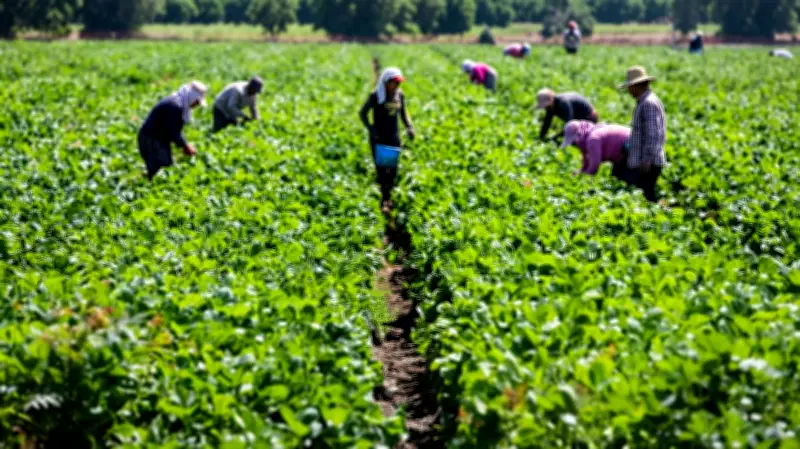
The agriculture sector continues to face mechanisation gaps, as many smallholder farmers lack access to affordable machinery such as tractors, harvesters, and irrigation systems. While this constraint contributes to generally low agricultural productivity—alongside challenges such as limited access to inputs, infrastructure deficits, and climate-related risks—government and private-sector initiatives in recent years have increasingly focused on financing models such as leasing and shared-equipment services to improve access to mechanised farming tools and boost efficiency.