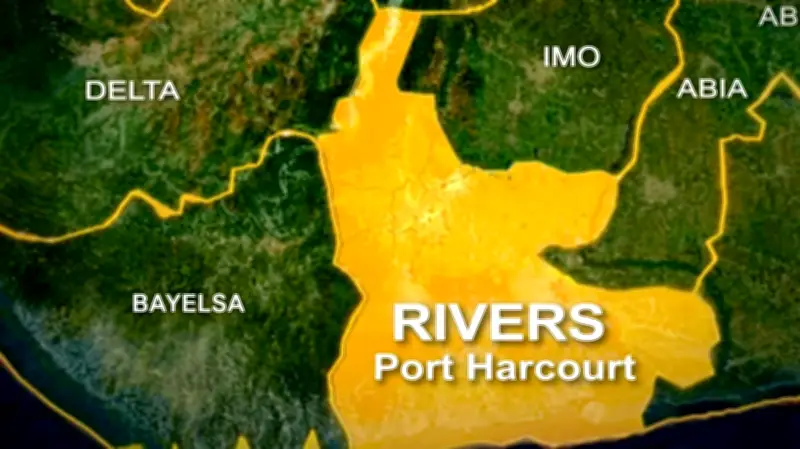
A housing expert has called for legislation that would compel developers to preserve and plant trees in residential areas. My-ACE China, a real estate entrepreneur and environmental advocate, made the submission in Port Harcourt, emphasizing its importance to human life and environmental protection.
Loss of green spaces
China lamented the gradual disappearance of green spaces across Port Harcourt and called for deliberate efforts to restore the city's Garden City identity. He stated, "It would be great to make it illegal to build houses without adequate tree coverage. There should be minimum tree requirements for every development, and permits should be obtained before any tree is cut down."
Call for sustainable development
He further urged stakeholders to prioritize environmentally sustainable development to help boost the economy. China also advocated stricter enforcement of environmental regulations, particularly against oil pollution, black soot, and other forms of industrial contamination.
China warned against indiscriminate tree felling and unchecked urbanization, arguing that the removal of vegetation without replacement contributes to environmental imbalance. "Rivers State was once proudly known as the Garden City, but somewhere along the way we forgot about the garden in the Garden City. It is time to restore greenery to our communities and create a culture that values nature as much as it values progress," he said.
Housing and environment must coexist
According to him, environmental sustainability and housing development must go hand in hand. "There can be no housing without the environment, and there can be no environment without housing. Development must not come at the expense of nature," he said. He added, "When companies are not properly regulated, the consequences are evident in oil spills, environmental pollution, and other ecological problems. Government must strengthen enforcement."
Example of green development
China also highlighted his Alesa Highlands Sustainable Smart Green City project as an example of environmentally conscious urban development. According to him, the project seeks to integrate housing with nature through extensive green landscaping, tree planting, and eco-friendly infrastructure. He maintained that the future of real estate should not be measured solely by concrete structures and physical infrastructure but also by the preservation of green spaces and natural ecosystems. "If Port Harcourt is to reclaim its status as the Garden City, the journey must begin with intentional and environmentally responsible development," he said.
Environmental challenges in Rivers State
Also speaking, the Permanent Secretary of the Rivers State Ministry of Environment, Alwell Chinedum Okereuku, noted that flooding, erosion, indiscriminate waste disposal, oil pollution, and gas flaring continue to threaten the state's environment. According to him, many of the environmental challenges confronting the state are largely man-made. "People dump domestic waste into gutters and drainage channels, blocking waterways and causing floods and erosion. What we are experiencing today is largely the result of human activities," he said.
Okereuku lamented that Port Harcourt, once renowned nationwide for its cleanliness and lush greenery, has gradually lost that reputation due to negative environmental practices. He urged residents to desist from building on natural waterways and drainage channels and to embrace responsible waste management. The Permanent Secretary also blamed oil companies for contributing significantly to environmental degradation through oil pollution and gas flaring. He called for a renewed commitment to environmental sustainability and the restoration of Port Harcourt's historic reputation as the Garden City.