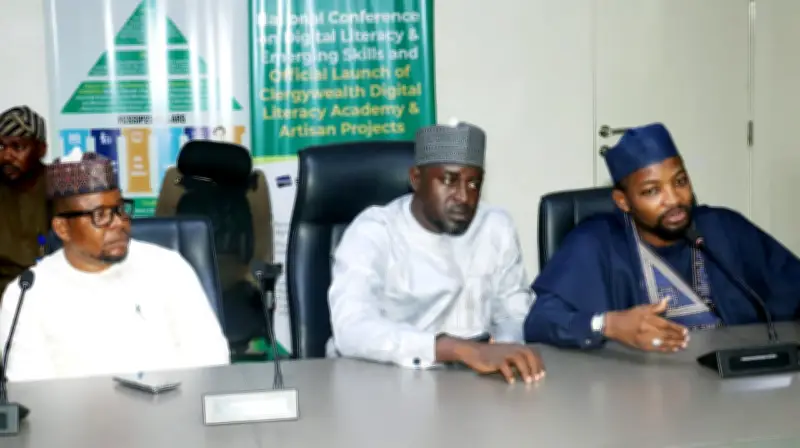
The nation's drive to expand the use of Compressed Natural Gas (CNG) received a significant boost following a strategic meeting between the National CNG Forum and the Office of the Secretary to the Government of the Federation (SGF).
Meeting Focuses on Energy Reforms
The conversation between the National CNG Forum and senior government officials centered on advancing President Bola Tinubu's energy reforms, particularly the rollout of CNG and electric vehicle initiatives aimed at providing Nigerians with cheaper and cleaner transport alternatives.
Speaking during the visit, the leadership of the National CNG Forum commended the Federal Government for introducing bold policies to ease rising transportation costs. They praised the Presidential CNG and Electric Vehicle initiative, describing it as a forward-looking strategy to diversify Nigeria's transport sector and enhance long-term energy security.
Key Recommendations Presented
The forum stated that the success of the initiative would depend on expanding access to conversion services, fueling infrastructure, and financing. They noted that CNG has attracted strong interest from investors, transport operators, businesses, and the public, but stressed that the focus must now shift from policy development to effective implementation.
The delegation emphasized that the initiative's success will rely on how quickly and effectively policies deliver tangible benefits to Nigerians. They presented strategic recommendations to accelerate nationwide CNG adoption, including simplifying and streamlining procedures to make CNG more accessible and affordable.
Stakeholders highlighted that wider CNG adoption will depend on easy access to conversion services and fueling infrastructure. They also emphasized stronger safety standards, quality controls, and regulatory compliance across the value chain to boost public confidence.
Local Manufacturing and Coordination
The forum called for greater local manufacturing of CNG equipment and infrastructure to lower costs, create jobs, and boost industrial growth. They urged stronger institutional coordination and financial support to sustain the energy transition.
One of the meeting's key proposals came from National CNG Forum Chairman Faruk Abdullahi, who advocated the creation of a National CNG Stakeholder Coordination Framework. This framework would align policies, attract investment, strengthen implementation oversight, and resolve industry disputes efficiently.
He also proposed an Inter-Ministerial Committee on Gas Mobility and Alternative Fuels to drive nationwide implementation, bringing together the SGF's office, relevant ministries, regulators, the Presidential CNG Initiative, and industry stakeholders.
Government Response
Responding on behalf of the SGF, Permanent Secretary Dr. Ibrahim Abubakar Kana welcomed the recommendations, describing them as consistent with the Federal Government's energy transition objectives. He assured stakeholders that the proposals would be considered for policy action.
Participants expressed optimism that expanded CNG adoption could lower transportation costs, attract investment, create jobs, and strengthen Nigeria's energy security while supporting environmental sustainability.