The Louis Awode Foundation has launched a nationwide program to teach over 20,000 Nigerian children robotics, coding, artificial intelligence, and entrepreneurship skills. This initiative aims to prepare young people, especially those from underserved communities, for opportunities in the growing digital and technology economy.
Program Overview
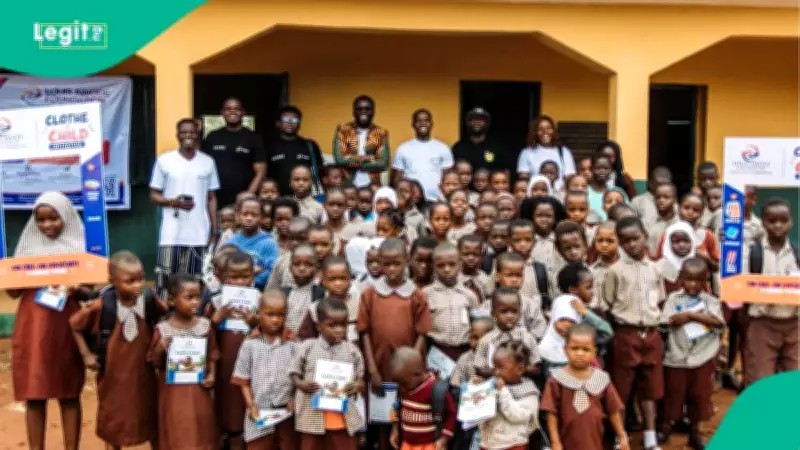
The program will establish technology hubs, provide mentorship, organize robotics competitions, offer scholarships, and deliver hands-on STEM training across schools nationwide. It builds on a recent outreach in Ogun State that reached nearly 1,800 pupils, with over 460 completing practical technology training.
As the Middle East and Africa industrial robotics market is projected to grow to $4.29 billion by 2030, the foundation seeks to equip children with skills in robotics, coding, AI, entrepreneurship, animation, 3D printing, and digital content creation.
Bridging the Digital Skills Gap
The foundation aims to address concerns that Africa's growing technology industry could deepen inequality if children in low-income communities lack access to digital education. Founder Louis Awode emphasized that the initiative goes beyond teaching technology use, focusing on nurturing creativity, innovation, and problem-solving skills.
"We are moving beyond simply exposing children to technology. The goal is to help them think creatively, solve problems, and develop the confidence to build solutions of their own," Awode said. The nationwide rollout will replicate the Ogun State model through robotics labs, entrepreneurship boot camps, and structured STEM programs.
Training and Opportunities
Participants will receive hands-on training in robot design, autonomous programming, product development, business ideation, competitive robotics, and emerging technologies like AI and digital manufacturing. The foundation plans to provide scholarships, mentorship, and internships through partnerships with tech companies and educational institutions.
Discussions are underway with state governments, schools, private sector firms, and community organizations to establish technology hubs across Nigeria's geopolitical zones. These centers will be equipped with robotics kits, 3D printers, digital design software, and trained instructors.
Competitions and Community Impact
Zonal and national robotics competitions will expose students to career opportunities and allow interaction with industry professionals. Awode stressed the transformative impact of early exposure: "When a child from a rural community successfully builds a robot or develops a business idea for the first time, it changes their mindset permanently."
The program builds on the foundation's earlier "Clothe-A-Child Initiative" in partnership with The Archers, which provided school bags, notebooks, educational materials, and digital literacy training in Ogun State. Teachers described the intervention as timely for children from low-income farming families.
Inspiration and Support
Awode said the mission was inspired by his own childhood in an underserved community. "I understand what it means to grow up without adequate learning materials and opportunities. What we are trying to do is give children the kind of exposure and encouragement that can completely alter their life trajectory."
The Archers supported the initiative through logistics coordination, volunteer mobilization, media engagement, and provision of learning materials and digital training support, according to Head of Brand Experience Michael Olabode.